Old Maps of Emille, Texas
Explore 11 old maps of Emille, spanning from 1954 to today. These high-resolution historic maps reveal how streets, neighborhoods, landmarks, and natural features evolved over time — perfect for genealogy, metal detecting, research, and local history exploration.
What you can do with these maps:
- See how Emille changed over time: Compare historical maps to modern-day views to trace roads, homesites, rail lines & more.
- View detailed metadata: Each map includes creators, publishers, year, scale, and archive source.
- Overlay maps with satellite & LiDAR: Visualize the past alongside modern tools to explore terrain & human change.
- Trusted historical sources: Maps sourced from the USGS, Library of Congress, and other archives.
- Access maps your way: View online, download high-res files, or order prints for personal or research use.
Start exploring old maps of Emille to uncover forgotten places, hidden landmarks, and the deep history beneath your feet.
Emille, TX maps
(11)- 1954 Map of Beaumont, 1964 Print
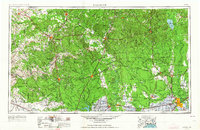 1954 Beaumont1964 Print · USGSSoutheast Texas in the mid-fifties reveals a landscape of massive national forests, emerging reservoirs, and a booming oil economy. Genealogists and researchers can trace rural settlements like Dallardsville and Village Mills or locate early drilling sites at Sour Lake Oil Field.3 unique versions available
 - 1955 Map of Woodville, 1956 Print
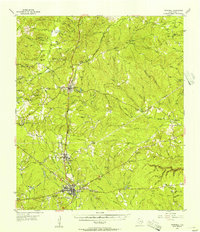 1955 Woodville1956 Print · USGSWoodville and the surrounding East Texas timberlands are captured here in the mid-fifties, centered on the Southern Pacific rail corridor. Researchers can locate family sites and early landmarks like Egypt Cemetery, Colmesneil, and the Gregory fire tower.2 unique versions available
 - 1957 Map of Beaumont
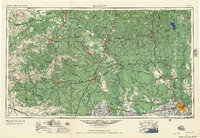 1957 Beaumont1957 Print · USGSSoutheast Texas in the mid-fifties is defined by the timber-rich lands between the Trinity River and Beaumont. Trace the history of the Alabama and Coushatti Indian Reservation or locate early campus sites like Prairie View College.
 - 1984 Map of Beaumont
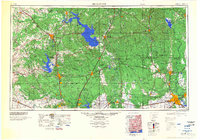 1984 Beaumont1984 Print · USGSSoutheast Texas in the late seventies and early eighties shows a landscape of expanding reservoirs and deep timber industry. Researchers can trace the development of the Sam Houston National Forest or locate regional landmarks like Grabbs Prairie and the Wynne State Prison Farm.3 unique versions available
 - 1985 Map of Livingston
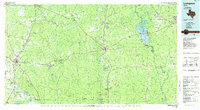 1985 Livingston1985 Print · USGSEast Texas timber and oil country comes to life in the mid-eighties, showing the deep-set river valleys and forests of Polk and Tyler Counties. Researchers can locate family landmarks like Bold Springs Cem, the Alabama and Coushatta Indian Reservation, and the Livingston Oil Field.
 - 1992 Map of Livingston
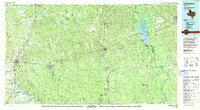 1992 Livingston1992 Print · USGSSoutheast Texas at the start of the nineties reveals a landscape of deep pine forests, oil fields, and historic rural communities. Researchers can locate family landmarks like Holly Grove Cem and Wildwood Sch, or trace the winding Angelina River near B A Steinhagen Lake.
 - 2010 Map of Birdwell Lake, 2010 Print
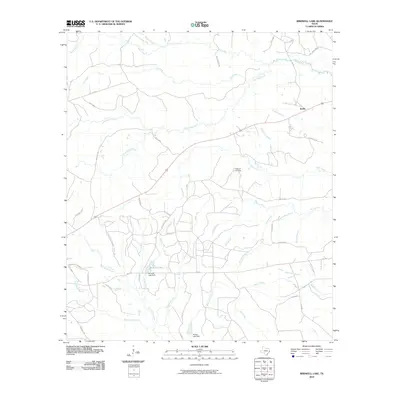 2010 Birdwell Lake2010 Print · USGSTyler County's timberlands and rural crossroads are captured here in the early twenty-first century. Genealogists and local researchers can trace family landmarks and sites such as Hopewell Cemetery, the settlement of Emille, and the waters of Birdwell Lake.
 - 2013 Map of Birdwell Lake, 2013 Print
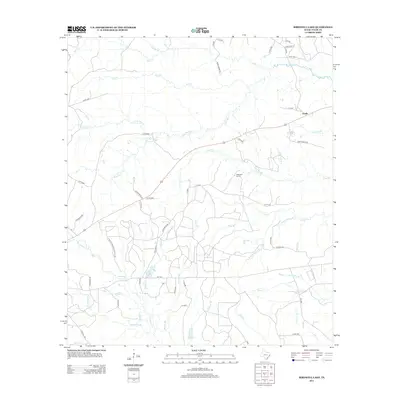 2013 Birdwell Lake2013 Print · USGSSoutheast Texas forest and bottomlands are mapped here in the early twenty-first century, centered on the settlement of Emille. Genealogists and local historians can trace family-named landmarks like Hopewell Cem, Birdwell Lake, and the numerous branches of Theuvenins Cr.
 - 2016 Map of Birdwell Lake, 2016 Print
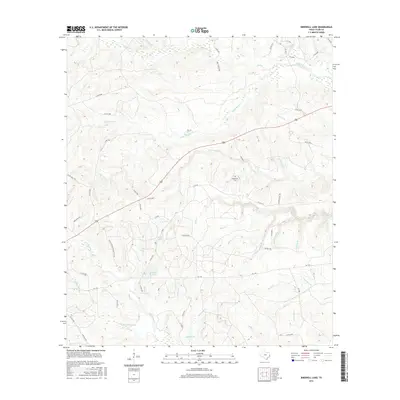 2016 Birdwell Lake2016 Print · USGSTyler County in the mid-2010s reveals a landscape where rural life is shaped by the winding tributaries of the Wolf Creek watershed. Genealogists and local historians can trace family landmarks like Hopewell Cem and named water features like Birdwell Lake.
 - 2019 Map of Birdwell Lake, 2019 Print
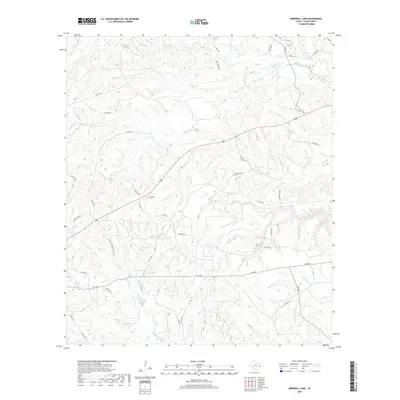 2019 Birdwell Lake2019 Print · USGSDeep in the Piney Woods of East Texas, this survey captures the rural character of Tyler County during the late twenty-teens. Researchers can locate Hopewell Cem and trace the winding paths of Drunkards Br, Beech Cr, and Birdwell Lake.
 - 2022 Map of Birdwell Lake, 2022 Print
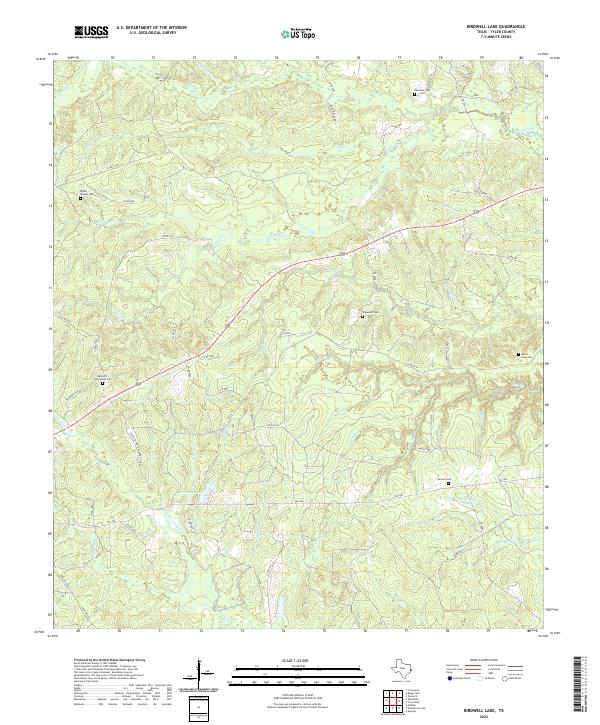 2022 Birdwell Lake2022 Print · USGSThe Piney Woods of Tyler County are shown in detail here during the early twenty-first century. Genealogists and local historians can trace family land ties near Antioch Cem, Ebenezer Cem, and the waters of Birdwell Lake or Theuvenins Cr.
End of results
Showing maps 1-11 of 11
Top cities near Emille
Frequently asked questions
- What are the different types of historical maps available for Emille?
- What is the oldest map of Emille?
- Where can I purchase historical maps of Emille for my home or office?
- Where can I download high-res historical maps of Emille?
- Are there historical topographic maps available for Emille?
- Is there historical aerial imagery available for Emille?
- Where are historical maps of Emille sourced from?