Old Maps of Uvalde, Texas for Academic Research
Study the evolution of Uvalde with 18 high-resolution historic maps. Whether you're teaching, researching, or modeling changes in land use, these maps provide essential visual documentation of urban, environmental, and geographic change.
- Analyze long-term change: Track patterns in development, transportation, and natural features.
- Ideal for environmental or urban studies: Support academic projects with primary historical map data.
- Use in the classroom or lab: Educators and researchers rely on these maps to bring historical context to life.
These maps are a powerful tool for teaching, research, and visualizing how Uvalde has changed over the decades.
Uvalde, TX maps
(18)- 1898 Map of Uvalde
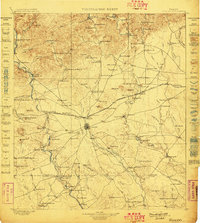 1898 Uvalde1898 Print · USGSTexas ranching culture and early rail expansion meet in the late 1890s across this detailed landscape. Genealogists and researchers can trace family-named estates like Molesworth Ranch, locate the Sansom P.O., and find industrial relics like the Silver Mine.3 unique versions available
 - 1899 Map of Uvalde, 1931 Print
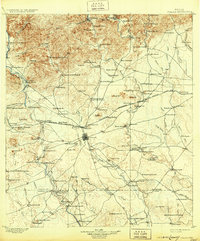 1899 Uvalde1931 Print · USGSThe South Texas ranching frontier comes into focus during the late nineteenth century as railroads began to transform the cattle economy. Researchers can trace family ranch lands such as McDaniels Ranch, locate the Sansom P.O. at Uvalde, and find local landmarks like Myricks Upper Apiary.
 - 1954 Map of San Antonio, 1964 Print
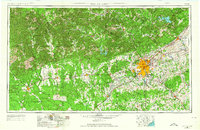 1954 San Antonio1964 Print · USGSSan Antonio and the Texas Hill Country are captured here in the mid-fifties, showing a landscape defined by massive military air bases and the rising Canyon Reservoir. Trace family ties through historic rail towns like D'Hanis and Castroville or explore the Cold War footprint of Lackland AFB and Randolph AFB.3 unique versions available
 - 1957 Map of San Antonio
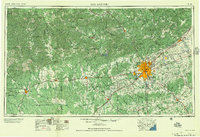 1957 San Antonio1957 Print · USGSSan Antonio and the Texas Hill Country are shown here during the mid-fifties, capturing the region's expanding post-war military and transportation footprint. Genealogists and local historians can trace the early residential boundaries of Alamo Heights or locate rural landmarks like St Hedwig and Medina Lake.
 - 1971 Map of Garner Field, 1974 Print
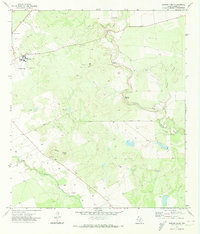 1971 Garner Field1974 Print · USGSUvalde County in the early 1970s reveals a landscape defined by the convergence of the Frio River and the growing campus of Southwest Texas Jr College. Researchers can trace the rural property boundaries of the day, identifying local landmarks like Garner Field, Toadstool Waterhole, and the Rodeo Ground.
 - 1971 Map of Uvalde, 1974 Print
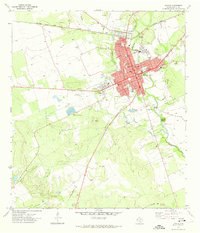 1971 Uvalde1974 Print · USGSUvalde and its southern ranchlands are documented here in the early seventies, showing a growing community centered on the railroad. Researchers can locate civic landmarks like the Fort Inge (Historical Site), the Honey Bowl Stadium, and the Uvalde National Fish Hatchery.2 unique versions available
 - 1985 Map of Uvalde
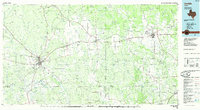 1985 Uvalde1985 Print · USGSUvalde and the surrounding river valleys are captured here in the mid-eighties as a busy crossroads of rail and ranching. Genealogists can locate family sites near Frio Town or trace the Southern Pacific line through Knippa and Sabinal.
 - 1992 Map of Uvalde
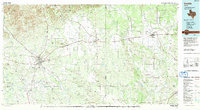 1992 Uvalde1992 Print · USGSThe Uvalde and Hondo corridors in the early nineties show a region where the Southern Pacific rail line met a complex network of river valleys. You can trace established family-named landmarks and infrastructure from the Taylor Ina Oil Field to the Uvalde National Fish Hatchery and Garner State Park.
 - 2010 Map of Uvalde, 2010 Print
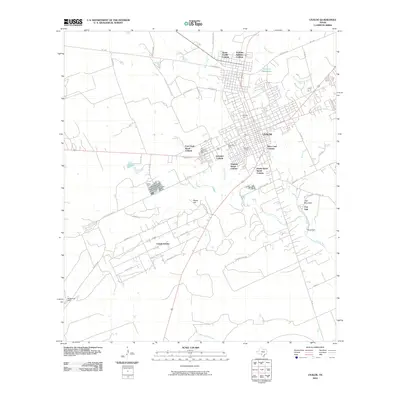 2010 Uvalde2010 Print · USGSUvalde and the surrounding brush country are captured here at a time of notable residential growth and historical preservation. Genealogists and historians can trace the foundations of Fort Inge near Inge Mountain or locate family sites within Uvalde Estates and Brice Lane Colonia.
 - 2010 Map of Garner Field, 2010 Print
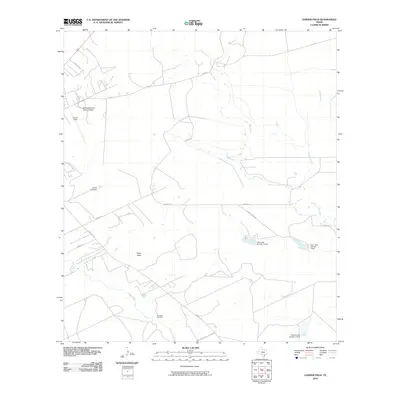 2010 Garner Field2010 Print · USGSUvalde and its southeastern outskirts are captured here during a period of modern growth and continued ranching legacy. Researchers can find family landmarks and local institutions, from The Ditch Cemetery and Taylor Hills to the campus of Southwest Texas Junior College.
 - 2013 Map of Uvalde, 2013 Print
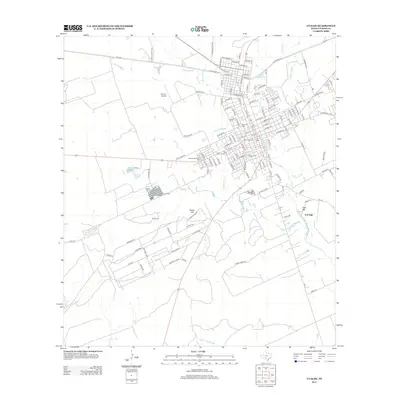 2013 Uvalde2013 Print · USGSUvalde is shown during a period of steady modern growth, with its street grid expanding near the Leona River. Researchers can locate the historic Fort Inge site, the Uvalde National Fish Hatchery, and landmarks like Inge Mtn.
 - 2013 Map of Garner Field, 2013 Print
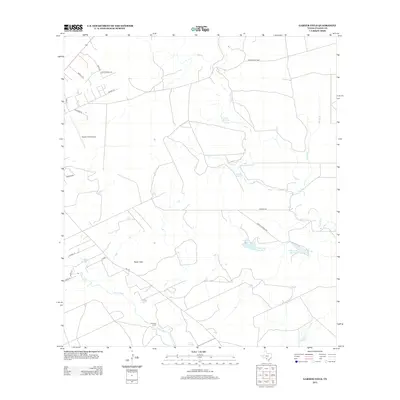 2013 Garner Field2013 Print · USGSUvalde County ranch land and river bottoms are captured here during the early twenty-first century. Researchers can locate The Ditch Cem and trace water rights along the Leona River or find family-named roads like Pete Tidwell Ln.
 - 2016 Map of Garner Field, 2016 Print
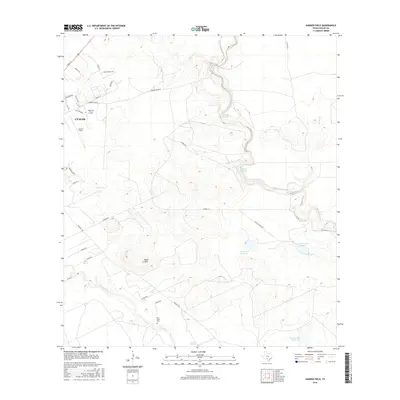 2016 Garner Field2016 Print · USGSUvalde was a center for regional education and aviation when this mid-decade survey was conducted. Researchers can locate The Ditch Cem and follow the riparian corridors of the Leona River to find landmarks like Cypress Waterhole.
 - 2016 Map of Uvalde, 2016 Print
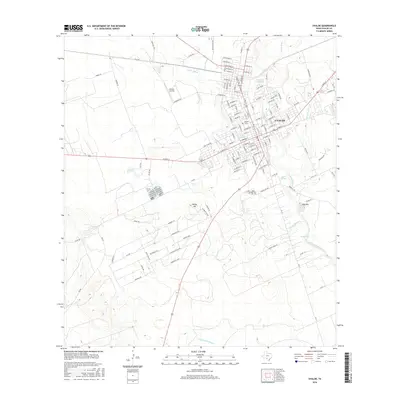 2016 Uvalde2016 Print · USGSUvalde and its surrounding South Texas ranch lands are captured here in the mid-2010s, showing a community defined by its connection to the Leona River. Researchers can trace the town's growth and natural landmarks like Leona Springs, Inge Mtn, and the historic Pioneer Cem.
 - 2019 Map of Uvalde, 2019 Print
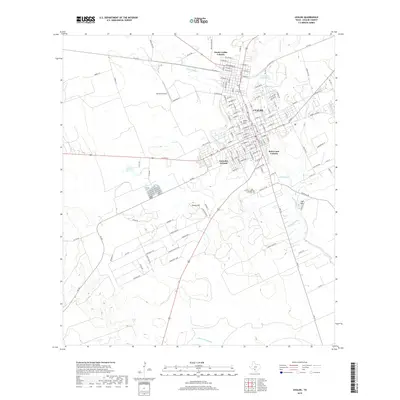 2019 Uvalde2019 Print · USGSUvalde and its surrounding colonias are shown in detail during this modern era of South Texas development. Genealogists and local historians can trace the town grid from Pioneer Park Cem to landmarks like Inge Mtn and the Benson Airstrip.
 - 2019 Map of Garner Field, 2019 Print
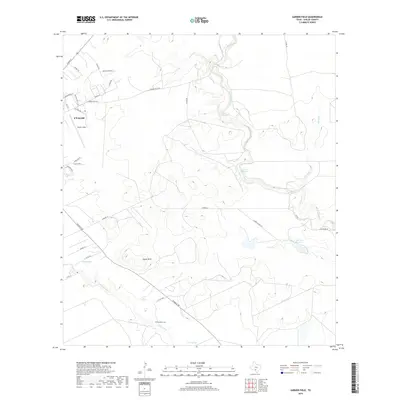 2019 Garner Field2019 Print · USGSSoutheast of Uvalde in the late 2010s, this landscape preserves a mix of aviation history and river-bottom terrain. Genealogists and local researchers can locate The Ditch Cem and trace water features like Leona Springs and Toadstool Waterhole.
 - 2022 Map of Uvalde, 2022 Print
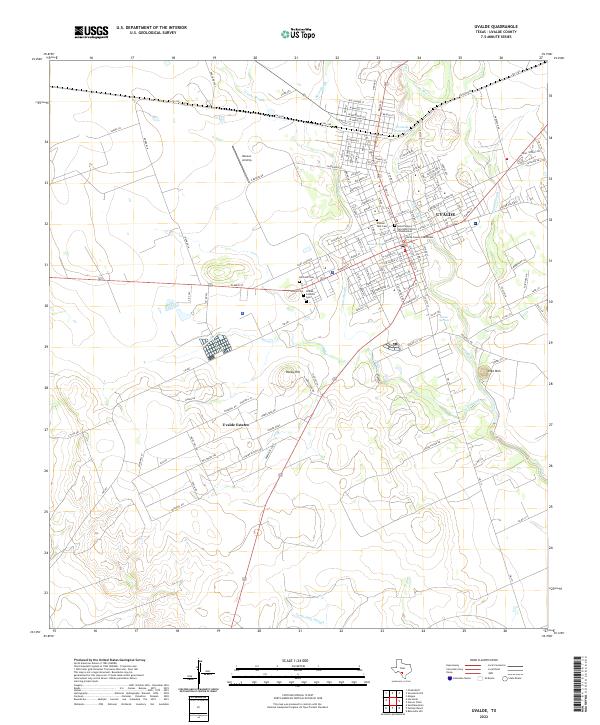 2022 Uvalde2022 Print · USGSThe Texas Brush Country city of Uvalde and the southern residential expansion of Uvalde Estates appear here in the early twenty-first century. Genealogists can trace family records at the Uvalde County Courthouse and several nearby burial grounds like Hillcrest Cem and Pioneer Park Cem.
 - 2022 Map of Garner Field, 2022 Print
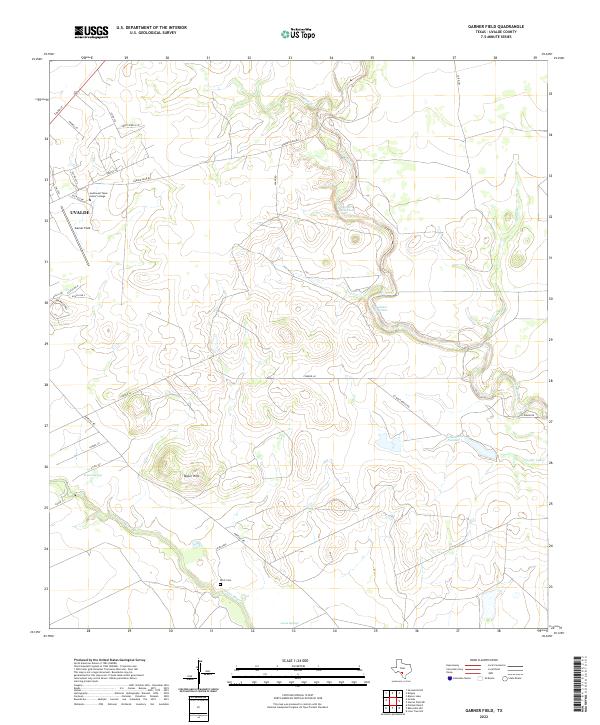 2022 Garner Field2022 Print · USGSUvalde and its southeastern ranch lands are shown in detail during the early 2020s, highlighting the area's transition from campus to creek bed. Researchers can trace local landmarks from Southwest Texas Junior College to the Ditch Cem and Leona Springs.
End of results
Showing maps 1-18 of 18
Top cities near Uvalde
Top neighborhoods of Uvalde
- Gonzales Colonia historical maps
- North Uvalde Colonia historical maps
- Brice Lane Colonia historical maps
Frequently asked questions
- What are the different types of historical maps available for Uvalde?
- What is the oldest map of Uvalde?
- Where can I purchase historical maps of Uvalde for my home or office?
- Where can I download high-res historical maps of Uvalde?
- Are there historical topographic maps available for Uvalde?
- Is there historical aerial imagery available for Uvalde?
- Where are historical maps of Uvalde sourced from?