Old Maps of Escalante, Utah
Explore 17 old maps of Escalante, spanning from 1886 to today. These high-resolution historic maps reveal how streets, neighborhoods, landmarks, and natural features evolved over time — perfect for genealogy, metal detecting, research, and local history exploration.
What you can do with these maps:
- See how Escalante changed over time: Compare historical maps to modern-day views to trace roads, homesites, rail lines & more.
- View detailed metadata: Each map includes creators, publishers, year, scale, and archive source.
- Overlay maps with satellite & LiDAR: Visualize the past alongside modern tools to explore terrain & human change.
- Trusted historical sources: Maps sourced from the USGS, Library of Congress, and other archives.
- Access maps your way: View online, download high-res files, or order prints for personal or research use.
Start exploring old maps of Escalante to uncover forgotten places, hidden landmarks, and the deep history beneath your feet.
Escalante, UT maps
(17)- 1886 Map of Escalante
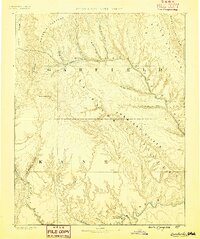 1886 Escalante1886 Print · USGSSouthern Utah in the late 1880s was a landscape of formidable geological barriers and isolated river crossings. Modern researchers can trace the early layout of Escalante and identify historic points like The Crossing of the Fathers and Potato Valley.5 unique versions available
 - 1956 Map of Escalante
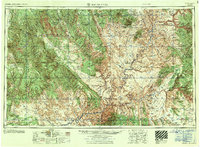 1956 Escalante1956 Print · USGSSouthern Utah and Northern Arizona are charted here in the mid-fifties, just before the canyon floor was transformed. Researchers can trace remote desert commerce at Oljeto Trading Post, find the Adairville (ruins), and locate Uranium mines.5 unique versions available
 - 1960 Map of Escalante
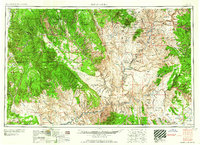 1960 Escalante1960 Print · USGSSouthern Utah and northern Arizona appear at a historic turning point in the late fifties as Lake Powell begins to reshape the canyons. Researchers can trace remote sites like Goulding Trading Post, a lonely Uranium Mine, and Coyote Ranches before the reservoir's rise.
 - 1964 Map of Dave Canyon, 1966 Print
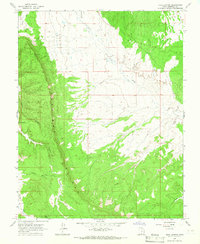 1964 Dave Canyon1966 Print · USGSGarfield County's high plateau country is captured here in the mid-sixties, dominated by the massive verticality of the Straight Cliffs. Researchers can trace remote water sources like Oak Spring and the rugged path of a lone Jeep Trail winding through Alvey Wash.
 - 1964 Map of Escalante, 1983 Print
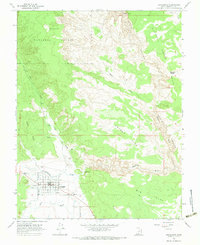 1964 Escalante1983 Print · USGSEscalante was a remote high-desert outpost in the mid-sixties, serving as the gateway between the forested plateaus and the deep canyons of the Colorado River drainage. Genealogists and historians can locate the local cemetery, the High School, and a desert LANDING STRIP south of the Escalante River.2 unique versions available
 - 1980 Map of Escalante, 1988 Print
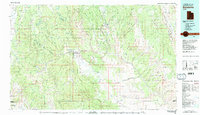 1980 Escalante1988 Print · USGSThe high desert and canyonlands of southern Utah are shown here in the 1980s, centered on the settlement of Escalante. Researchers can trace the ranching and resource history of Johns Valley or the early boundaries of Capitol Reef National Park.3 unique versions available
 - 2002 Map of Escalante, 2005 Print
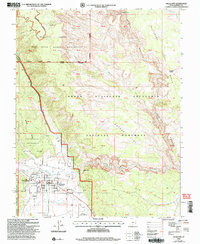 2002 Escalante2005 Print · USGSEscalante and the surrounding plateaus are captured here at the turn of the century as the town solidified its role as a regional hub. Researchers can trace the town’s development near the Escalante River, find the local High Sch, and locate the Escalante Municipal Airport.
 - 2011 Map of Escalante, 2011 Print
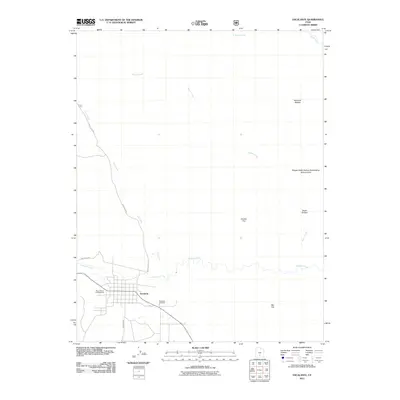 2011 Escalante2011 Print · USGSThe settlement of Escalante and the surrounding high desert canyon country are mapped here in the early twenty-first century. Researchers can trace the town’s grid, locate the Escalante Cemetery, and follow the deep drainage of Death Hollow.
 - 2011 Map of Dave Canyon, 2011 Print
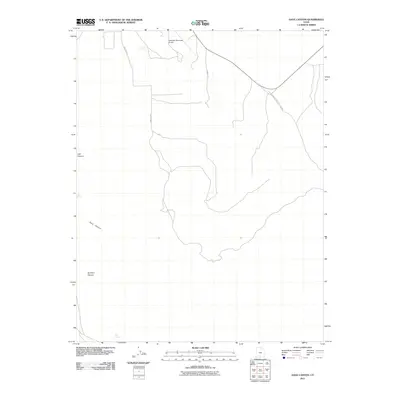 2011 Dave Canyon2011 Print · USGSGarfield County’s high-desert terrain near Escalante is shown in detail during the early twenty-first century. Researchers can trace the routes of Proctor Rd and Sawmill Rd as they lead toward Dave Canyon and Rock Spring.
 - 2014 Map of Escalante, 2014 Print
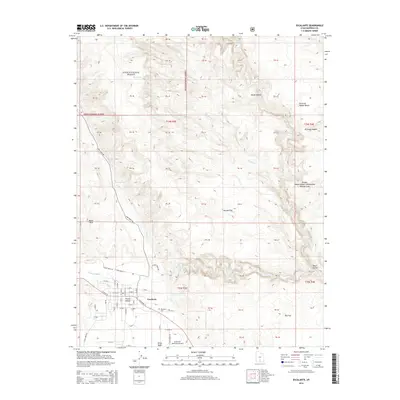 2014 Escalante2014 Print · USGSSouthern Utah's canyon country is documented here in the early twenty-first century, centered on the settlement at Escalante. Researchers can trace the local grid from W Main St to the Escalante Cem, or explore the geography of Death Hollow and Potato Valley.
 - 2014 Map of Dave Canyon, 2014 Print
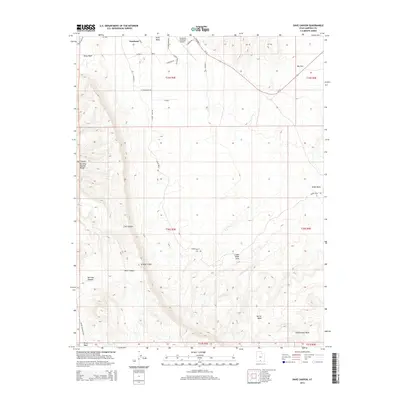 2014 Dave Canyon2014 Print · USGSNear Escalante in the twenty-first century, the high desert terrain reveals a network of canyons and natural landmarks. Trace backcountry routes like Smokey Mountain Rd to find Serenity Natural Bridge or the geological formation at Cedar Wash Arch.
 - 2017 Map of Dave Canyon, 2017 Print
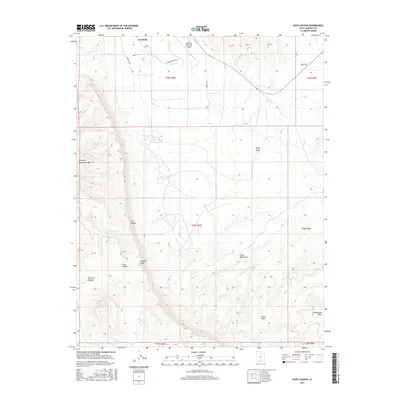 2017 Dave Canyon2017 Print · USGSThe high desert south of Escalante is documented here in the late twenty-teens, revealing a landscape defined by dramatic geological formations. Researchers can trace the massive Straight Cliffs and locate remote features like Serenity Natural Bridge and Cedar Wash Arch.
 - 2017 Map of Escalante, 2017 Print
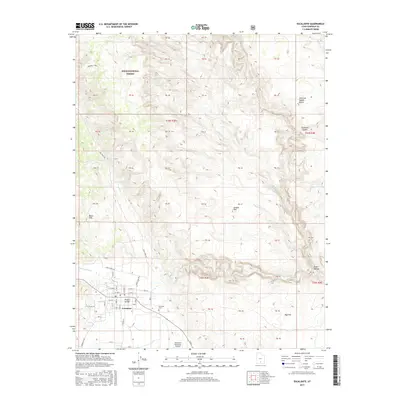 2017 Escalante2017 Print · USGSEscalante and the surrounding canyon country are captured in detail during the late twenty-teens. Researchers can trace the town’s grid and outlying landmarks like Potato Valley, the Escalante Cem, and the winding Escalante River.
 - 2020 Map of Dave Canyon, 2020 Print
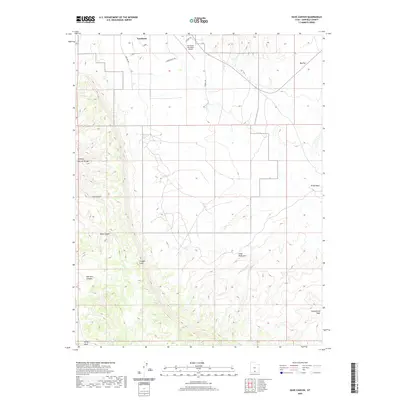 2020 Dave Canyon2020 Print · USGSThe southern outskirts of Escalante transition into the high plateau and canyon country in this recent survey. Researchers can trace the rugged local geography through features like Serenity Natural Bridge, the Straight Cliffs, and the Escalante Municipal Airport.
 - 2020 Map of Escalante, 2020 Print
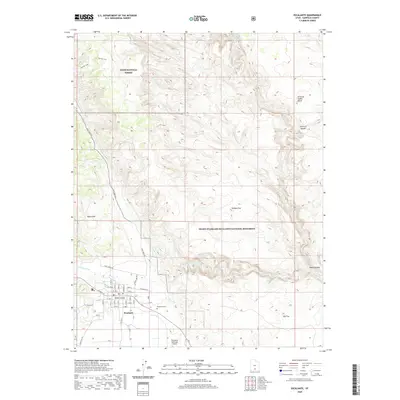 2020 Escalante2020 Print · USGSThe settlement of Escalante is documented here during the late twenty-teens, showing the town's layout between the river and the plateaus. Researchers can trace local landmarks like the Escalante Cem, the Escalante Municipal Airport, and the historic Roundy Trail.
 - 2023 Map of Dave Canyon, 2023 Print
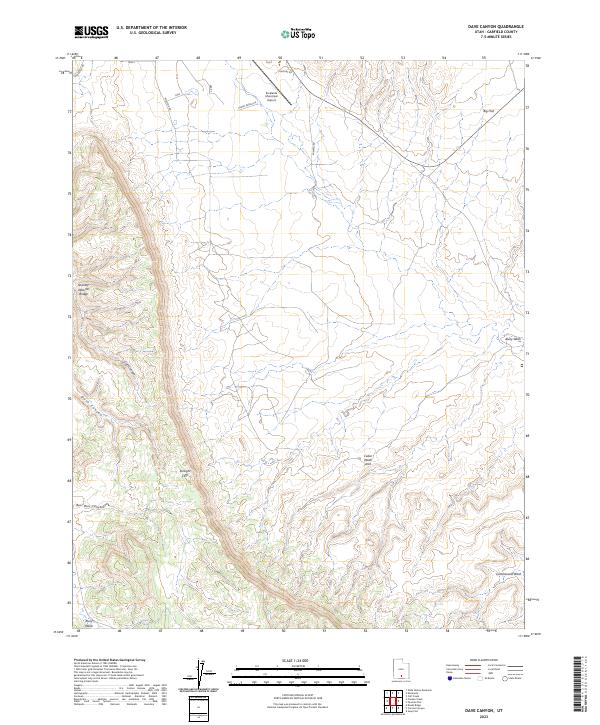 2023 Dave Canyon2023 Print · USGSGarfield County's high desert terrain is captured here in the early twenty-first century, revealing a landscape defined by dramatic geological breaks and remote ranch roads. Researchers can locate distinct landmarks like Serenity Natural Bridge, Cedar Wash Arch, and the aviation hub at Escalante Municipal Airport.
 - 2023 Map of Escalante, 2023 Print
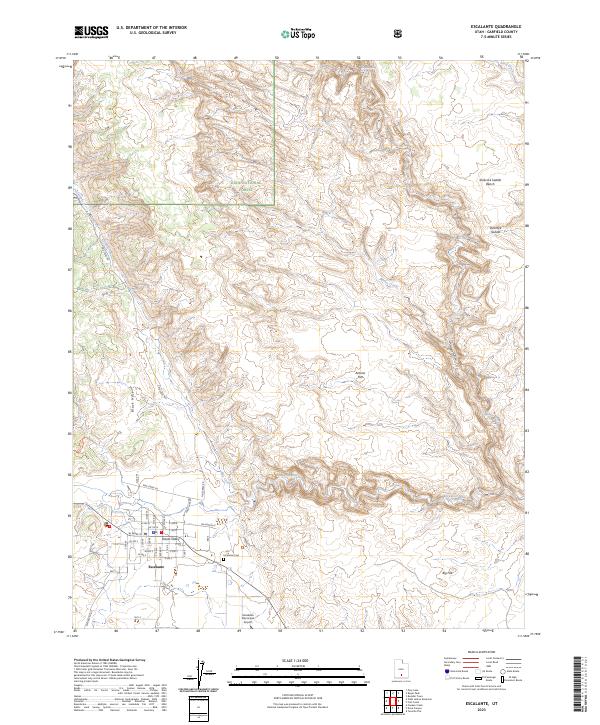 2023 Escalante2023 Print · USGSIn the canyon country of Garfield County, the town of Escalante sits at the threshold of the wilderness. Trace the local grid from Potato Valley to the Escalante Cem or follow the Escalante River as it carves through the Dixie National Forest.
End of results
Showing maps 1-17 of 17
Frequently asked questions
- What are the different types of historical maps available for Escalante?
- What is the oldest map of Escalante?
- Where can I purchase historical maps of Escalante for my home or office?
- Where can I download high-res historical maps of Escalante?
- Are there historical topographic maps available for Escalante?
- Is there historical aerial imagery available for Escalante?
- Where are historical maps of Escalante sourced from?