Old Maps of Motoqua, Utah for Academic Research
Study the evolution of Motoqua with 12 high-resolution historic maps. Whether you're teaching, researching, or modeling changes in land use, these maps provide essential visual documentation of urban, environmental, and geographic change.
- Analyze long-term change: Track patterns in development, transportation, and natural features.
- Ideal for environmental or urban studies: Support academic projects with primary historical map data.
- Use in the classroom or lab: Educators and researchers rely on these maps to bring historical context to life.
These maps are a powerful tool for teaching, research, and visualizing how Motoqua has changed over the decades.
Motoqua, UT maps
(12)- 1885 Map of St. George
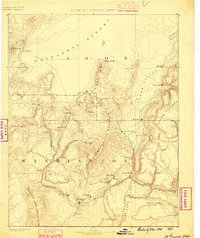 1885 St. George1885 Print · USGSSouthern Utah’s high deserts and river valleys are captured here during the mid-1880s, an era of mining expansion and early settlement. Researchers can trace the layout of pioneer towns like Silver Reef, Virgin City, and the historic site of Mountain Meadows.
 - 1891 Map of St. George
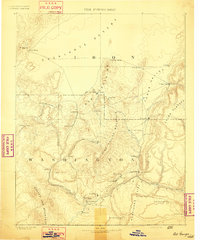 1891 St. George1891 Print · USGSSouthwestern Utah in the early 1890s was a landscape of pioneer outposts and mining ventures at the edge of the Escalante Desert. Genealogists and historians can trace the early footprints of St George, the mining camp at Silver Reef, and the now-quiet site of Iron City.4 unique versions available
 - 1953 Map of Cedar City, 1966 Print
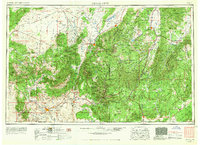 1953 Cedar City1966 Print · USGSSouthwestern Utah's high plateaus and desert basins are mapped here during the mid-fifties, showing the region before the modern interstate system. Researchers can trace historic mining at Silver Reef, follow the Union Pacific line, and locate early settlements like Kanarraville and Toquerville.3 unique versions available
 - 1958 Map of Cedar City
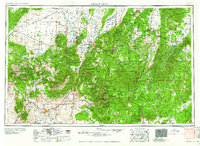 1958 Cedar City1958 Print · USGSSouthwestern Utah in the late fifties was a land of mineral extraction and monumental landscapes. Genealogists and historians can trace pioneer-era settlements like Grafton and Parowan alongside industrial sites such as the Silver Reef Mine.2 unique versions available
 - 1962 Map of Cedar City
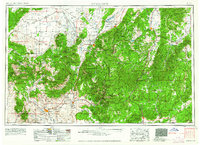 1962 Cedar City1962 Print · USGSSouthern Utah in the early sixties showcases a landscape of dramatic plateaus and historic mining outposts. Trace the early settlement patterns at the Silver Reef (ruins), locate the Iron Mine near the Hurricane Cliffs, or find the Fort Harmony Monument.
 - 1972 Map of Motoqua, 1976 Print
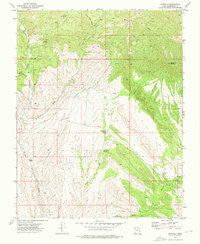 1972 Motoqua1976 Print · USGSMotoqua and the remote canyonlands of southwest Utah are captured here in the early seventies, showing a landscape defined by vital water holes and desert ranches. Researchers can trace the rugged network of Beaver Dam Wash, locate the isolated D I Landing Strip, and find historic water sources like Red Hollow Spring and Hardin Ranch.
 - 1980 Map of St. George, 1981 Print
 1980 St. George1981 Print · USGSThe St. George region underwent significant expansion in the early eighties as ranching traditions met new modern development. Researchers can trace the heritage of the Virgin River valley through sites like Grafton, the Apex Mine, and Snow Canyon State Park.2 unique versions available
 - 2011 Map of Motoqua, 2011 Print
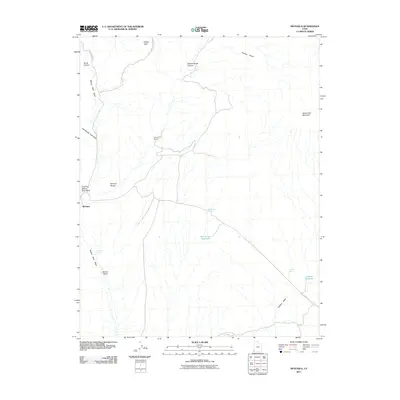 2011 Motoqua2011 Print · USGSMotoqua and the surrounding high desert of southwestern Utah are captured here just after the turn of the twenty-first century. Genealogists and local historians can locate remote landmarks like Nordin Ranch and vital water sources such as Red Hollow Reservoir and Bentley Spring.
 - 2014 Map of Motoqua, 2014 Print
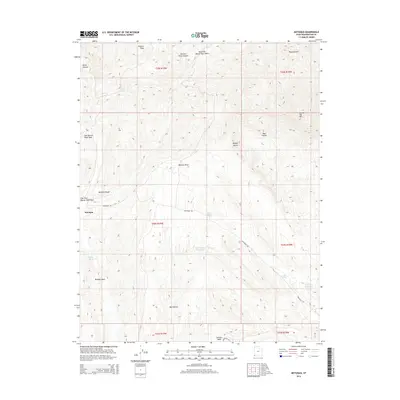 2014 Motoqua2014 Print · USGSThe settlement of Motoqua sits at a junction of desert washes and high ridges in Washington County during the early twenty-first century. Researchers can trace land use through water features like Red Hollow Reservoir and family-named landmarks including Potters Peak and Bentley Wash.
 - 2017 Map of Motoqua, 2017 Print
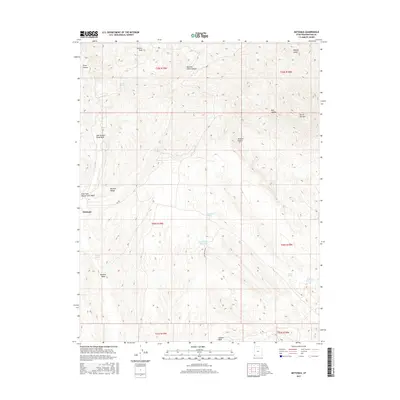 2017 Motoqua2017 Print · USGSThe western Utah desert meets the Mormon Range in this modern survey of the Motoqua area. Genealogists and researchers can trace the vital water sources and landforms of the region, from Jackson Reservoir to the aptly named Butcher Knife Canyon.
 - 2020 Map of Motoqua, 2020 Print
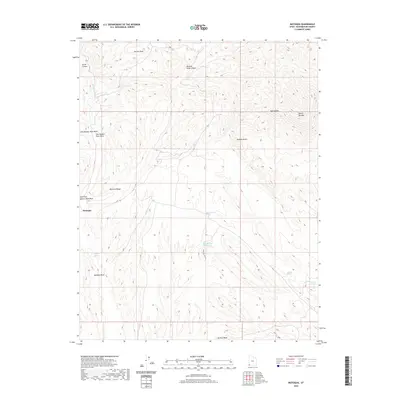 2020 Motoqua2020 Print · USGSThe high desert of Washington County is captured here in the 2020s, centered on the remote settlement of Motoqua. Researchers can trace the vital water network of the Mormon Range, from Red Hollow Reservoir to family-named sites like Bentley Spring.
 - 2023 Map of Motoqua, 2023 Print
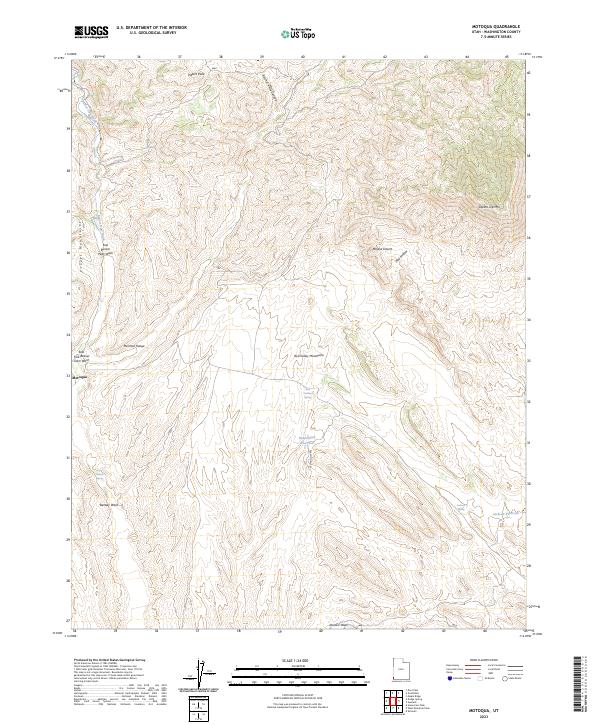 2023 Motoqua2023 Print · USGSMotoqua and the surrounding Washington County high desert are shown here in the contemporary era. Researchers can trace remote water sources and terrain features like Red Hollow Reservoir, Potters Peak, and the Doc's Pass Wilderness.
End of results
Showing maps 1-12 of 12
Frequently asked questions
- What are the different types of historical maps available for Motoqua?
- What is the oldest map of Motoqua?
- Where can I purchase historical maps of Motoqua for my home or office?
- Where can I download high-res historical maps of Motoqua?
- Are there historical topographic maps available for Motoqua?
- Is there historical aerial imagery available for Motoqua?
- Where are historical maps of Motoqua sourced from?