Old Maps of Loa, Utah for Academic Research
Study the evolution of Loa with 13 high-resolution historic maps. Whether you're teaching, researching, or modeling changes in land use, these maps provide essential visual documentation of urban, environmental, and geographic change.
- Analyze long-term change: Track patterns in development, transportation, and natural features.
- Ideal for environmental or urban studies: Support academic projects with primary historical map data.
- Use in the classroom or lab: Educators and researchers rely on these maps to bring historical context to life.
These maps are a powerful tool for teaching, research, and visualizing how Loa has changed over the decades.
Loa, UT maps
(13)- 1885 Map of Fish Lake
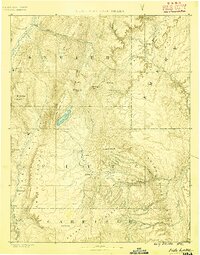 1885 Fish Lake1885 Print · USGSThe high plateaus and early canyon settlements of central Utah are documented here in the mid-1880s, shortly after the Powell Survey. Genealogists and historians can trace early families in Salina, Antimony, and Cousharem, or locate remote sites like Bean Spring.
 - 1896 Map of Fish Lake, 1899 Print
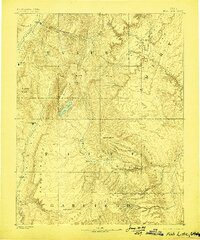 1896 Fish Lake1899 Print · USGSSouthern Utah in the late nineteenth century is a land of high plateaus and isolated river settlements. Trace early pioneer outposts like Thurber, Teardale, and Antimony alongside geological marvels such as Fish Lake and the Water Pocket Flexure.4 unique versions available
 - 1956 Map of Salina
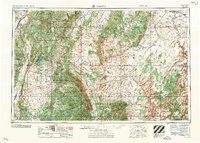 1956 Salina1956 Print · USGSCentral Utah in the mid-fifties reveals a landscape of high plateaus and desert basins before the modern highway era. Researchers can trace the ranching and mining roots of Hanksville and Loa or locate the Lucky Strike Mine near the San Rafael Swell.5 unique versions available
 - 1960 Map of Salina
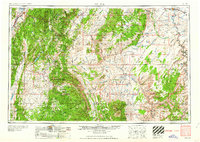 1960 Salina1960 Print · USGSThe high plateaus and canyonlands of south-central Utah appear in the early sixties as a region of remote ranching towns and developing parklands. Researchers can trace historic settlements like Fruita and Loa or locate the uranium mines and the tracks of the Denver and Rio Grande Western RR.2 unique versions available
 - 1962 Map of Salina
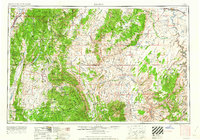 1962 Salina1962 Print · USGSSevier County and the surrounding desert wilderness appear here in the early sixties as a network of isolated river valley towns and high-altitude forests. Researchers can locate remote landmarks like Fruita, trace the Denver & Rio Grande Western RR, and find backcountry sites like the Aquarius Ranger Station.
 - 1969 Map of Loa, 1973 Print
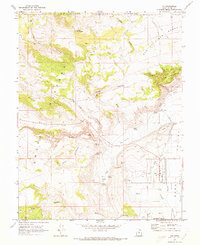 1969 Loa1973 Print · USGSRabbit Valley and the high plateaus of Wayne County are captured here in the late sixties. Researchers can trace the water-management history of Loa through local features like the Fish Hatchery, Allred Ditch, and the community Rodeo Grounds.2 unique versions available
 - 1980 Map of Loa
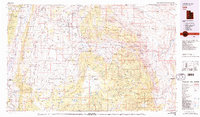 1980 Loa1980 Print · USGSCentral Utah's high plateaus and the Fremont River corridor are captured here during the 1980s, showcasing a landscape of high-elevation reservoirs and remote ranching outposts. Genealogists can trace family names and early settlements from Loa and Teasdale to the orchards of Fruita.2 unique versions available
 - 2001 Map of Loa, 2003 Print
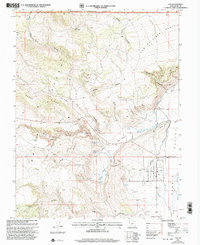 2001 Loa2003 Print · USGSLoa and the verdant Rabbit Valley are shown at the turn of the twenty-first century, just as they sit between the high Awapa Plateau and the Fremont River. Local historians can trace the town's footprint including the Loa Cem, Rodeo Grounds, and the nearby Loa Fish Hatchery.
 - 2011 Map of Loa, 2011 Print
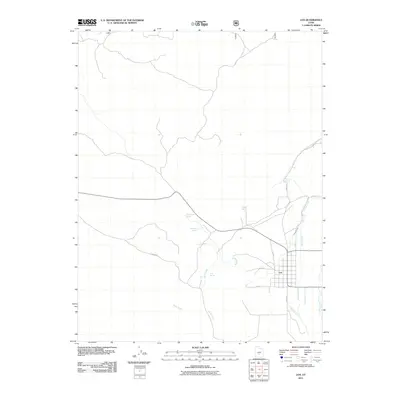 2011 Loa2011 Print · USGSLoa and its surrounding high-valley rangelands are captured here in the early twenty-first century, showing the town's traditional grid near the Fremont River. Researchers can trace local water rights and irrigation through labels like the Loa Town Ditch and numerous upland water sources such as Bullberry Spring.
 - 2014 Map of Loa, 2014 Print
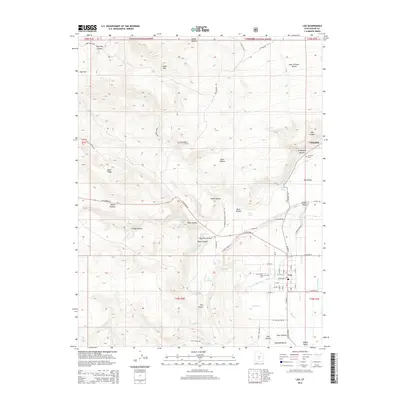 2014 Loa2014 Print · USGSLoa and the Rabbit Valley are captured here in the early twenty-first century, showing the critical water systems that sustain this high-plateau community. Researchers can locate family sites near the Loa Cemetery or trace the historic Loa Town Ditch and Fremont-Loa Ditch.
 - 2017 Map of Loa, 2017 Print
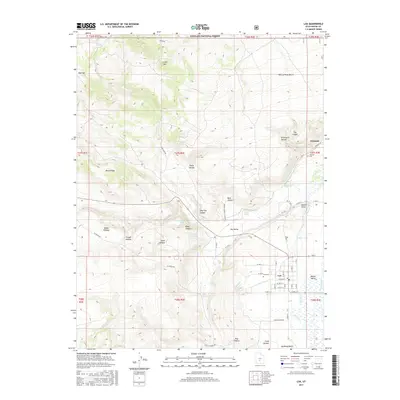 2017 Loa2017 Print · USGSWayne County’s high-country settlements of Loa and Fremont are captured here in the late twenty-tens, surrounded by the peaks of the Fishlake National Forest. Local researchers can trace family plots at the Loa Cem or follow the historic irrigation paths of the Fremont Loa Ditch.
 - 2020 Map of Loa, 2020 Print
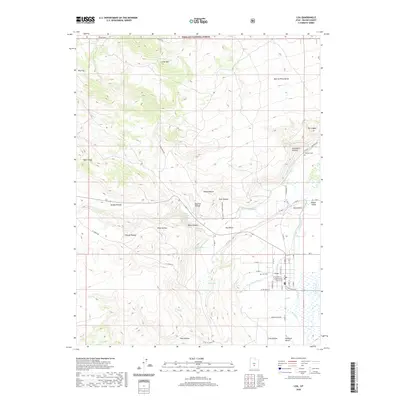 2020 Loa2020 Print · USGSLoa and the surrounding Rabbit Valley are captured here as they appeared in 2020, centered on the local seat of government. Researchers can locate family sites at Loa Cem and Fremont Cem or trace water rights through the Loa-Town Ditch.
 - 2023 Map of Loa, 2023 Print
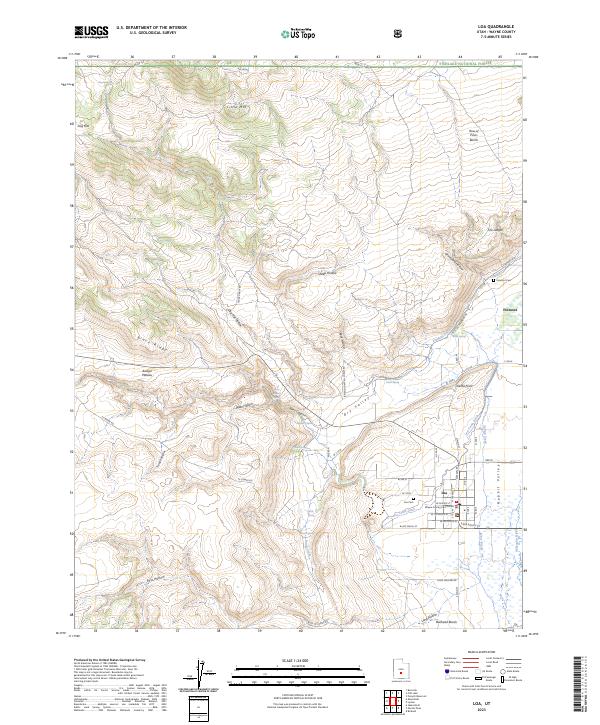 2023 Loa2023 Print · USGSThe high plateau country and irrigated valleys of Wayne County come alive in this recent survey. Local historians can trace water rights through the Loa Town Ditch or locate family plots at Loa Cem and the Wayne County Courthouse.
End of results
Showing maps 1-13 of 13
Top cities near Loa
Frequently asked questions
- What are the different types of historical maps available for Loa?
- What is the oldest map of Loa?
- Where can I purchase historical maps of Loa for my home or office?
- Where can I download high-res historical maps of Loa?
- Are there historical topographic maps available for Loa?
- Is there historical aerial imagery available for Loa?
- Where are historical maps of Loa sourced from?