Old Maps of Montgomery, Vermont for Academic Research
Study the evolution of Montgomery with 33 high-resolution historic maps. Whether you're teaching, researching, or modeling changes in land use, these maps provide essential visual documentation of urban, environmental, and geographic change.
- Analyze long-term change: Track patterns in development, transportation, and natural features.
- Ideal for environmental or urban studies: Support academic projects with primary historical map data.
- Use in the classroom or lab: Educators and researchers rely on these maps to bring historical context to life.
These maps are a powerful tool for teaching, research, and visualizing how Montgomery has changed over the decades.
Montgomery, VT maps
(33)- 1919 Map of Montgomery, 1920 Print
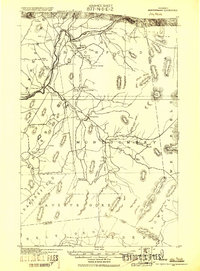 1919 Montgomery1920 Print · USGSFranklin County at the close of the Great War was a landscape of mountain passes and railroad junctions. Genealogists and historians can trace the early layout of Montgomery and Richford, locating family-named landmarks like Nutting Corner and Farrar Corner.
 - 1920 Map of Montgomery
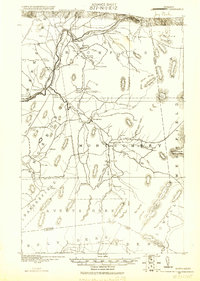 1920 Montgomery1920 Print · USGSNorthern Vermont's rugged borderlands come alive in this post-World War I survey of the Missisquoi River valley. Genealogists can trace family homesteads near Grocers Corner, Hectorville, and old schoolhouses like the Notch School.
 - 1925 Map of Jay Peak
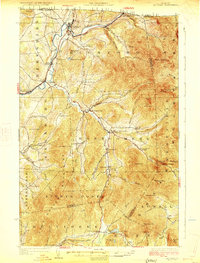 1925 Jay Peak1925 Print · USGSThe Green Mountains of northern Vermont meet the Canadian border in the mid-1920s, showing a rugged landscape of rail junctions and mountain passes. Genealogists and historians can trace defunct district schoolhouses like Corey School, the operations of the Asbestos Mine, and timber-era landmarks like Stevens Mill.4 unique versions available
 - 1943 Map of Jay Peak, 1946 Print
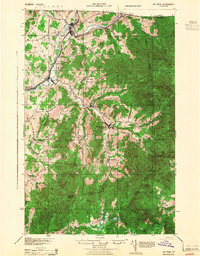 1943 Jay Peak1946 Print · USGSThe Vermont high country comes into focus in the mid-1940s, showing a rugged landscape of rail junctions and mountain industries. Genealogists and historians can locate remote mountain schools like Woodward Sch, the industrial Asbestos Mine, and the mill sites of Hectorville.
 - 1950 Map of Lake Champlain
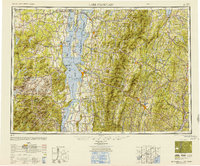 1950 Lake Champlain1950 Print · USGSThe Lake Champlain valley and its surrounding peaks are captured in detail during the late 1940s, showing the vital rail and road connections between New York and Vermont. Researchers can trace the routes of the Central Vermont Railway or locate old industrial centers like Mineville and Witherbee.2 unique versions available
 - 1953 Map of Jay Peak, 1954 Print
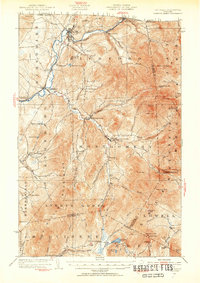 1953 Jay Peak1954 Print · USGSNorthern Vermont's Green Mountains meet the Canadian border in this mid-century survey of the high peaks and river valleys. Researchers can trace the legacy of timber and mining at Tillotson Mill and the ASBESTOS MINE, or locate rural schools like Woodward School.4 unique versions available
 - 1958 Map of Lake Champlain
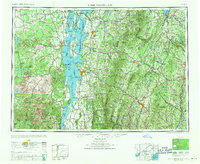 1958 Lake Champlain1958 Print · USGSThe Champlain Valley and surrounding high peaks are captured here in the late fifties, showcasing the cross-border region from the Adirondacks to the Green Mountains. Researchers can trace historic rail routes like the Rutland Railway or locate old valley settlements such as Keeseville and Vergennes.2 unique versions available
 - 1962 Map of Lake Champlain, 1975 Print
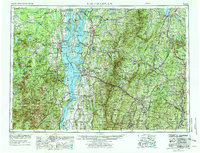 1962 Lake Champlain1975 Print · USGSLake Champlain and the high peaks of the Adirondacks and Green Mountains are captured here during the mid-twentieth century. Researchers can trace the industrial legacy of the Lyon Mountain Mine and the rail corridors of the Central Vermont RR and Delaware & Hudson RR.3 unique versions available
 - 1986 Map of Jay Peak, 1987 Print
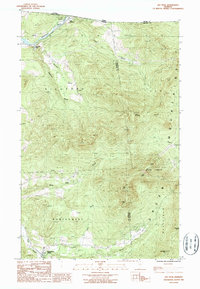 1986 Jay Peak1987 Print · USGSThe high peaks of the northern Green Mountains meet the Canadian border in the late twentieth century. Researchers can trace the river-valley settlements of Montgomery Center and Stevens Mills or locate high-altitude landmarks like Jay Peak and Domeys Dome.2 unique versions available
 - 1986 Map of Hazens Notch, 1987 Print
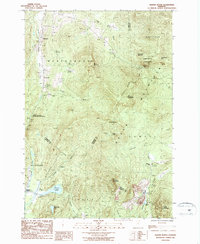 1986 Hazens Notch1987 Print · USGSThe Green Mountains of northern Vermont are captured here in the mid-1980s, centered on the high pass of Hazens Notch. Trace local industrial history at the Strip Mine or locate historic landmarks like the Covered Bridge in Hectorville and the Tillotson Mill.
 - 1986 Map of Cold Hollow Mountains, 1987 Print
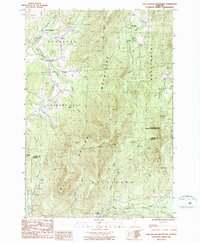 1986 Cold Hollow Mountains1987 Print · USGSThe northern Green Mountains in the mid-1980s are captured here during a period of transition in Vermont's highland forests. Researchers can trace the remote drainage of Cold Hollow Brook, locate Belvidere Center, and identify family landmarks like West Hill.
 - 1986 Map of Richford, 1987 Print
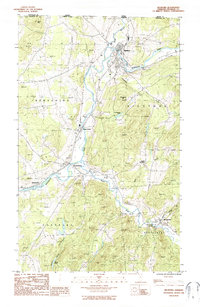 1986 Richford1987 Print · USGSFranklin County, Vermont, sits along the Canadian border in the early 1980s as a landscape of river valleys and upland hills. Genealogists and historians can trace the roads connecting Richford, East Berkshire, and Montgomery, or locate the historic Covered Bridge.
 - 1989 Map of Mount Mansfield
 1989 Mount Mansfield1989 Print · USGSNorthern Vermont in the late eighties remains a landscape of deep forests and isolated mountain villages. Genealogists and hikers can trace the old rail lines of the Canadian Pacific RR or locate family sites near Lake Willoughby and Brownington Village.
 - 2012 Map of Hazens Notch, 2012 Print
 2012 Hazens Notch2012 Print · USGSNorthern Vermont's Green Mountains are captured here in the early twenty-first century, showing a landscape defined by steep peaks and deep notches. Researchers can locate the Hectorville Covered Bridge, trace routes to Tillotson Mill, and find family sites like Roegan Road Cem.
 - 2012 Map of Jay Peak, 2012 Print
 2012 Jay Peak2012 Print · USGSNorthern Vermont high country is shown here in the early twenty-first century, centered on the heights of the Green Mountains. Researchers can trace local burial grounds like Saint Isidore Cem and follow old mountain access points such as Laura Woodward Camp or Jay Peak Village Rd.
 - 2012 Map of Richford, 2012 Print
 2012 Richford2012 Print · USGSNorthern Vermont's river valleys remained defined by their historic crossings and rural hamlets into the early twenty-first century. Researchers can trace local heritage through several notable spans like the Hopkins Covered Bridge and cemeteries such as Richford Center Cem.
 - 2012 Map of Cold Hollow Mountains, 2012 Print
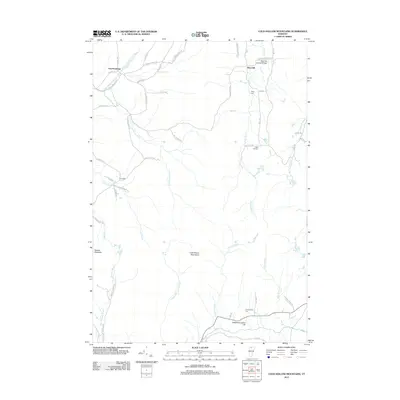 2012 Cold Hollow Mountains2012 Print · USGSVermont's rural landscape comes into focus in this early 21st-century study of the area near East Enosburg and the Cold Hollow Mountains. Researchers can locate family burial grounds like Clapp Cem and trace the crossing at the West Hill Covered Bridge.
 - 2015 Map of Richford, 2015 Print
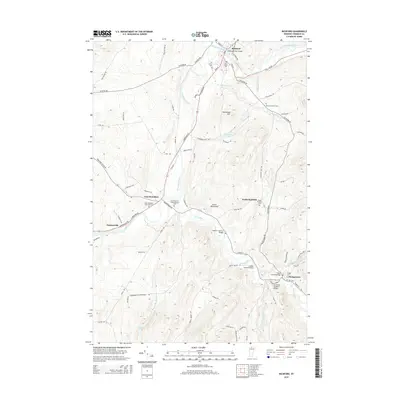 2015 Richford2015 Print · USGSRichford and the river valleys of Franklin County are shown here in the mid-2010s, illustrating a landscape defined by historic covered bridges and old township cemeteries. Researchers can trace local heritage at Richford Center Cem or locate the Hopkins Covered Bridge along the Trout River.
 - 2015 Map of Cold Hollow Mountains, 2015 Print
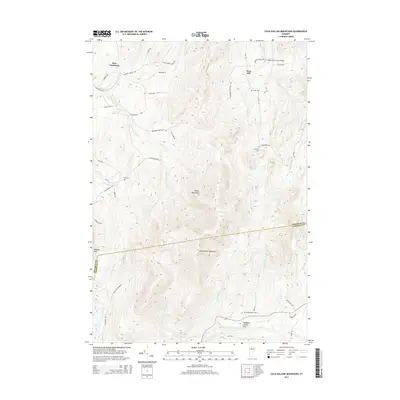 2015 Cold Hollow Mountains2015 Print · USGSThe rural Highlands of Franklin and Lamoille counties are captured here in the mid-2010s. Genealogists and local historians can locate historic burial sites like Cook Cem and Chamberlain Cem or trace the path to the West Hill Covered Bridge.
 - 2015 Map of Jay Peak, 2015 Print
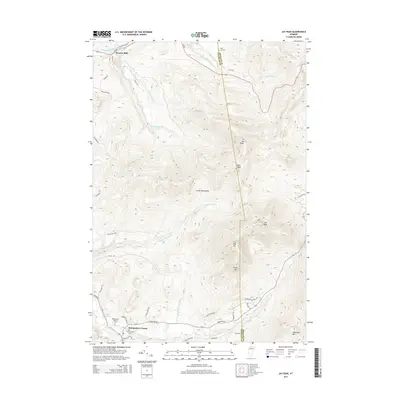 2015 Jay Peak2015 Print · USGSRichford and Montgomery Center were established hubs for northern Vermont travel and trade when this survey was conducted. Trace local history along the Missisquoi River and locate family sites like Saint Isidore Cem or Stevens Mills.
 - 2015 Map of Hazens Notch, 2015 Print
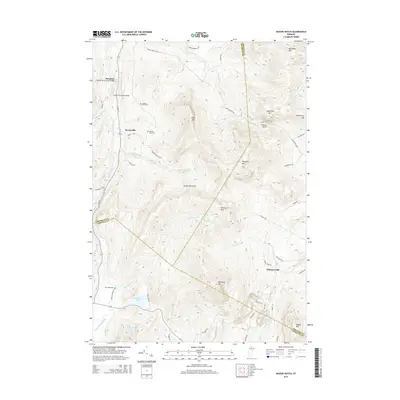 2015 Hazens Notch2015 Print · USGSNorthern Vermont's mountain passes and river valleys are captured here in the mid-2010s at the junction of three counties. Local historians and genealogists can locate the Hutchins Covered Bridge and ancestral sites like Roegan Road Cem or the namesake Hazens Notch.
 - 2018 Map of Richford, 2018 Print
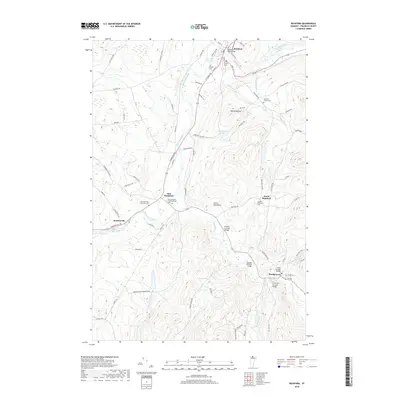 2018 Richford2018 Print · USGSNorthern Vermont's river valleys and mountain foothills are captured here in the late twenty-tens, centered on the crossings of the Missisquoi River. Researchers can trace local heritage through numerous historic sites, including the Hopkins Covered Bridge and the East Berkshire Episcopal Cem.
 - 2018 Map of Cold Hollow Mountains, 2018 Print
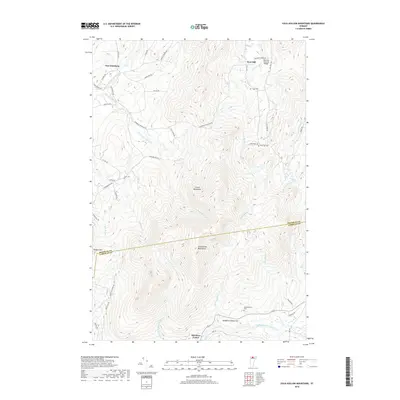 2018 Cold Hollow Mountains2018 Print · USGSNorthern Vermont's rugged terrain is charted here during the late twenty-first century, showing the secluded settlements and mountain gaps of Franklin and Lamoille Counties. Researchers can locate historic rural sites like the West Hill Covered Bridge and family burial grounds including Clapp Cem and Chamberlain Cem.
 - 2018 Map of Jay Peak, 2018 Print
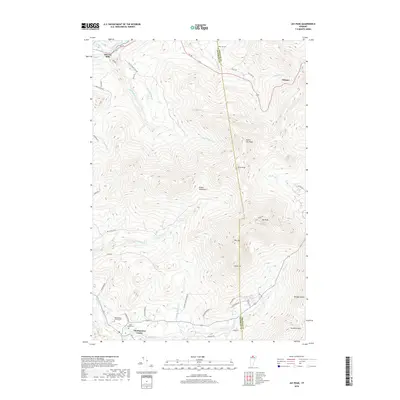 2018 Jay Peak2018 Print · USGSThe northern Green Mountains and the village of Montgomery Center are shown in high detail during the late 2010s. Researchers can trace family sites at Saint Isidore Cem and explore the high elevations of Jay Peak and Big Jay.
 - 2018 Map of Hazens Notch, 2018 Print
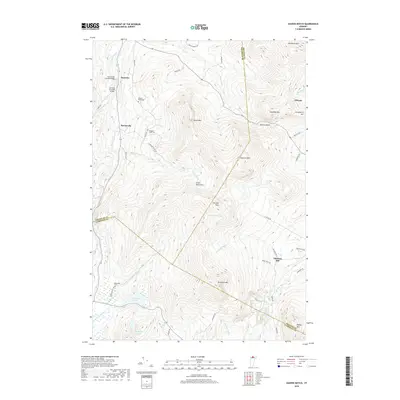 2018 Hazens Notch2018 Print · USGSThe Green Mountains of northern Vermont are documented here in the late twenty-tens, showing a landscape of high peaks and historic river crossings. Researchers can locate the Hectorville Covered Bridge, trace the grounds of the Regan Road Cem, or explore the environs of Tillotson Mill.
Showing maps 1-25 of 33
Top cities near Montgomery
- Johnson historical maps
- Underhill historical maps
- Hyde Park historical maps
- Richford historical maps
- Sheldon historical maps
- Wolcott historical maps
See more
Top neighborhoods of Montgomery
- Montgomery Center historical maps
- Hectorville historical maps
- West Hill historical maps
- Hutchins historical maps
Frequently asked questions
- What are the different types of historical maps available for Montgomery?
- What is the oldest map of Montgomery?
- Where can I purchase historical maps of Montgomery for my home or office?
- Where can I download high-res historical maps of Montgomery?
- Are there historical topographic maps available for Montgomery?
- Is there historical aerial imagery available for Montgomery?
- Where are historical maps of Montgomery sourced from?