Old Maps of Plymouth, Vermont for Academic Research
Study the evolution of Plymouth with 43 high-resolution historic maps. Whether you're teaching, researching, or modeling changes in land use, these maps provide essential visual documentation of urban, environmental, and geographic change.
- Analyze long-term change: Track patterns in development, transportation, and natural features.
- Ideal for environmental or urban studies: Support academic projects with primary historical map data.
- Use in the classroom or lab: Educators and researchers rely on these maps to bring historical context to life.
These maps are a powerful tool for teaching, research, and visualizing how Plymouth has changed over the decades.
Plymouth, VT maps
(43)- 1891 Map of Rutland, 1956 Print
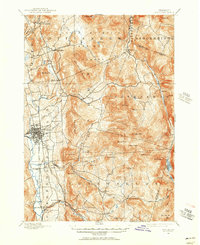 1891 Rutland1956 Print · USGSRutland and its surrounding mountain townships appear here during the expansion of the rail era in the late nineteenth century. Genealogists and historians can trace the early rail networks of the Central Vermont Railroad or locate family roots in communities like North Chittenden, East Pittsford, and Mendon.
 - 1893 Map of Wallingford
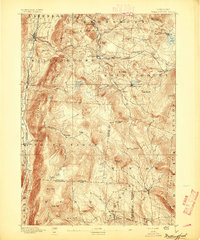 1893 Wallingford1893 Print · USGSThe Green Mountains of Rutland County appear in the 1890s as a landscape of busy rail corridors and upland villages. Genealogists can trace family names and small industrial hubs like Mechanicsville, Cuttingsville, and the remote mountain settlement of Griffith.8 unique versions available
 - 1893 Map of Rutland
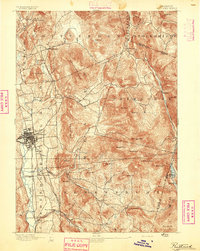 1893 Rutland1893 Print · USGSThe rail hub of the Green Mountains thrives in the 1890s as several lines converge in the valley below the great peaks. Researchers can trace the early rail stops at Cold River Sta. or locate high-altitude settlements like North Chittenden and North Sherburne.8 unique versions available
 - 1911 Map of Woodstock, 1958 Print
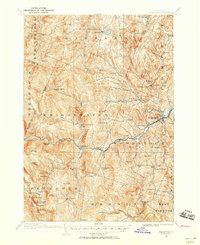 1911 Woodstock1958 Print · USGSWindsor County villages and mountain hollows are captured here at the dawn of the twentieth century. Researchers can trace the early path of the Woodstock Railroad or locate family sites near the Town Farm and Plymouth Notch.
 - 1913 Map of Woodstock
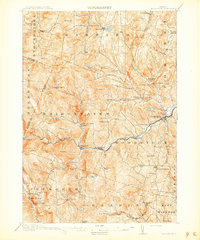 1913 Woodstock1913 Print · USGSWindsor County villages and narrow valley settlements are captured here in the decade before the First World War. Genealogists can trace family lines through numerous rural schoolhouses like Mendall School and early post offices at Bridgewater Center Briggs P O.5 unique versions available
 - 1928 Map of Ludlow
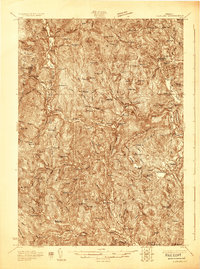 1928 Ludlow1928 Print · USGSWindsor County's industrial river valleys and upland hill farms are captured here in the late twenties just as early aviation arrived. Trace family roots through numerous district schools like Baltimore Sch and vanished post offices at Peaseville.
 - 1929 Map of Ludlow, 1961 Print
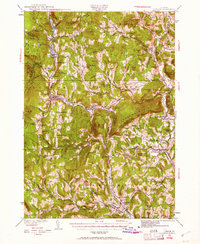 1929 Ludlow1961 Print · USGSThe Black River valley and its busy rail corridor define this Vermont landscape in the late 1920s. Researchers can trace the legacy of rural education at Sawyer Stand Sch and locate vanished local landmarks like Baileys Mills or Grout Cem.2 unique versions available
 - 1932 Map of Ludlow
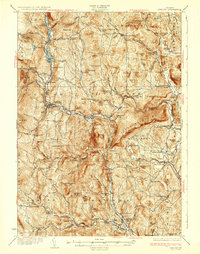 1932 Ludlow1932 Print · USGSWindsor County in the early thirties features a landscape of mountain hamlets and busy river valleys connected by the Rutland Railroad. Trace genealogy and local history through numerous rural landmarks like Plymouth Kingdom, Baileys Mills, and the Sawyer Stand School.4 unique versions available
 - 1943 Map of Woodstock
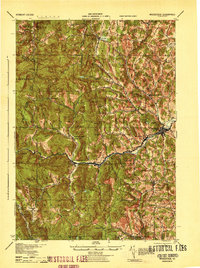 1943 Woodstock1943 Print · USGSWindsor County's high country and river valleys are captured here during the early 1940s, showing a landscape of small hill farms and rural schools. Researchers can locate many former community hubs like English Mills, the Town Farm, and Notown.
 - 1950 Map of Glens Falls
 1950 Glens Falls1950 Print · USGSThe Adirondacks and the Green Mountains meet in this mid-century survey of the New York and Vermont borderlands. Researchers can trace the industrial rail corridors of the Rutland RR and Delaware & Hudson RR connecting Glens Falls, Rutland, and the shores of Lake George.
 - 1955 Map of Wallingford, 1958 Print
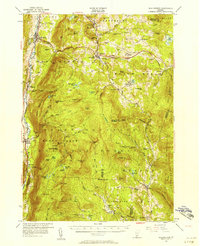 1955 Wallingford1958 Print · USGSThe Green Mountains in the mid-1950s show a landscape of high-elevation villages and deep forest tracts. Genealogists and hikers can trace old landmarks like Weston Priory, Landgrove Sch, and the remote Ten Kilns site.3 unique versions available
 - 1956 Map of Glens Falls, 1968 Print
 1956 Glens Falls1968 Print · USGSUpper New York and the Vermont mountains are captured here in the mid-fifties, showing the rugged rail-and-river network of the Northeast. Researchers can trace the paths of the Delaware and Hudson RR and Rutland RR as they wind through valley towns like Poultney and Whitehall.3 unique versions available
 - 1959 Map of Glens Falls
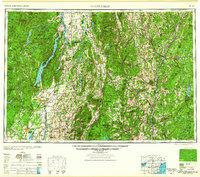 1959 Glens Falls1959 Print · USGSUpper New York and Vermont are captured here during the late 1950s, a period of transition for these mountain communities. Researchers can trace the legacy of the region's river-and-rail economy through landmarks like Lake George, Saratoga Springs, and Killington Peak.2 unique versions available
 - 1961 Map of Killington Peak, 1964 Print
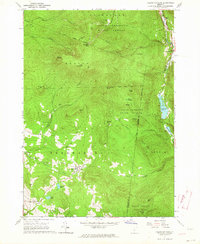 1961 Killington Peak1964 Print · USGSThe Green Mountains of central Vermont are captured here during the early 1960s as the regional ski industry was beginning to reshape the landscape. Genealogists and hikers can trace the Appalachian Long Trail or locate family sites like Northam Cemetery and the Mission Chapel.3 unique versions available
 - 1964 Map of Glens Falls
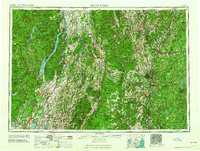 1964 Glens Falls1964 Print · USGSThe tri-state borderlands of New York, Vermont, and New Hampshire appear here in the mid-1960s. Researchers can trace the rail routes of the Rutland RR and find historic sites like Ticonderoga and Saratoga National Historical Park.
 - 1966 Map of Plymouth, 1968 Print
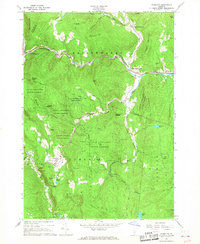 1966 Plymouth1968 Print · USGSWindsor County as it appeared in the mid-sixties reveals a landscape of presidential heritage and mountain recreation. Genealogists and historians can locate family landmarks like Toplift Cem and trace the development of the Calvin Coolidge Birthplace near Plymouth Notch.2 unique versions available
 - 1971 Map of Ludlow, 1975 Print
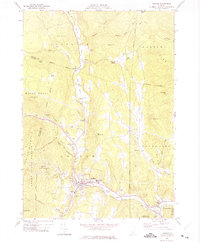 1971 Ludlow1975 Print · USGSVermont's Green Mountain region is captured here in the early 1970s, focused on the riverside communities and high-altitude forests of Windsor County. Local historians can trace the development of Ludlow and Proctorsville, find family plots at Pleasant View Cem, or locate landmarks like Sawyer Rocks and Colby Pond.2 unique versions available
 - 1985 Map of Claremont, 1986 Print
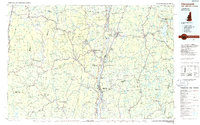 1985 Claremont1986 Print · USGSUpper Valley and Green Mountain life are captured here in the mid-eighties, centered on the river-linked hubs of Claremont and Springfield. Trace old family routes and rail lines like the Boston & Maine RR, or locate properties near Lake Sunapee and Mount Ascutney State Park.2 unique versions available
 - 1985 Map of Rutland, 1988 Print
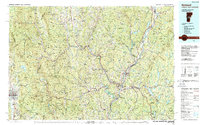 1985 Rutland1988 Print · USGSThe Upper Valley of the mid-1980s comes to life along the winding Connecticut River as it divides the Green Mountain and Granite states. Historians can trace the industrial rail hubs of White River Junction and the paths of the Appalachian Trail and Long Trail.
 - 1986 Map of Mount Holly, 1987 Print
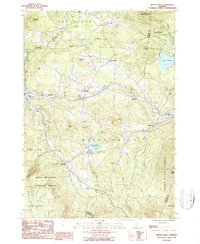 1986 Mount Holly1987 Print · USGSMount Holly and the surrounding Vermont highlands are shown here in the 1980s as a landscape of timber forests and tight-knit mountain villages. Researchers can trace historic settlements like Belmont, Tarbellville, and East Wallingford along the banks of the Mill River.2 unique versions available
 - 1997 Map of Ludlow, 1999 Print
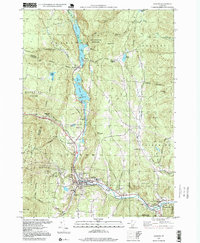 1997 Ludlow1999 Print · USGSIn the late 1990s, the Black River valley in Windsor County maintained its blend of traditional village life and mountain recreation. Researchers can trace historic cemeteries and civic sites from Pleasant View Cem to the Black River High Sch and the hamlet of Tyson.
 - 1997 Map of Killington Peak, 2000 Print
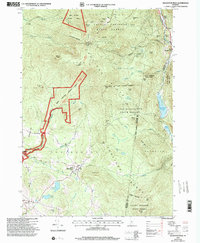 1997 Killington Peak2000 Print · USGSRutland County’s high peaks and forest lands are documented here during the late 1990s as the region solidified its role as a premier recreation destination. Genealogists and local historians can trace the foundations of North Shrewsbury through the Northam Sch and Northam Cem.
 - 1997 Map of Mount Holly, 2000 Print
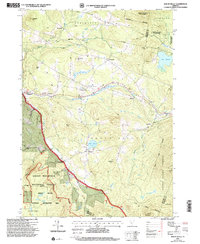 1997 Mount Holly2000 Print · USGSMount Holly and the Green Mountains are shown during the late twentieth century as recreation and conservation shaped the Vermont landscape. Genealogists can trace family names at Hammond Hill and Roger Hill, or locate local burials at various Cem sites near Belmont and Hortonville.
 - 2012 Map of Plymouth, 2012 Print
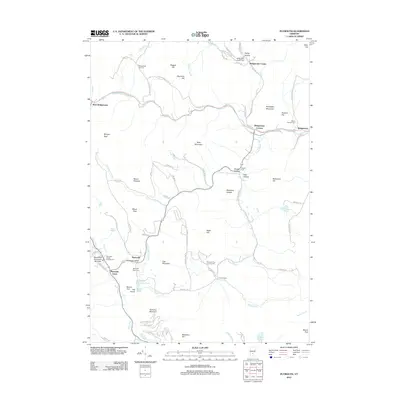 2012 Plymouth2012 Print · USGSWindsor County's highland valleys and small settlements are captured here in the early twenty-first century. Genealogists and local historians can locate numerous burial sites and family-named landmarks like Topliff Cem, Hale Hollow, and the historic Plymouth Notch.
 - 2012 Map of Killington Peak, 2012 Print
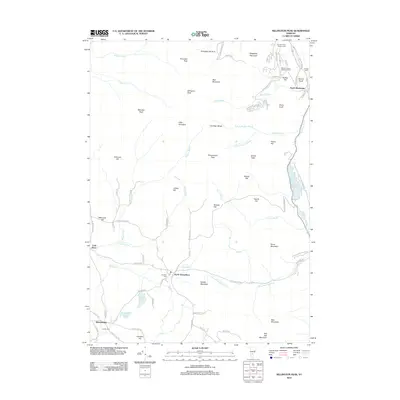 2012 Killington Peak2012 Print · USGSVermont's high peaks and deep mountain valleys are captured here in the early 2010s. Researchers can trace local heritage through sites like Northam Cem, the historic North Shrewsbury, and the rugged roads surrounding Shrewsbury Peak.
Showing maps 1-25 of 43
Top cities near Plymouth
- Springfield historical maps
- Hartland historical maps
- Woodstock historical maps
- Woodstock Village historical maps
- Clarendon historical maps
- Ludlow Village historical maps
See more
Top neighborhoods of Plymouth
Frequently asked questions
- What are the different types of historical maps available for Plymouth?
- What is the oldest map of Plymouth?
- Where can I purchase historical maps of Plymouth for my home or office?
- Where can I download high-res historical maps of Plymouth?
- Are there historical topographic maps available for Plymouth?
- Is there historical aerial imagery available for Plymouth?
- Where are historical maps of Plymouth sourced from?