Old Maps of Lorton, Virginia for Hiking & Exploration
Hike through history with 41 historic maps of Lorton. Explore old trails, ghost towns, and forgotten backroads — perfect for outdoor adventurers and local explorers.
- Rediscover forgotten places: Map out old mining camps, roads, and footpaths that no longer exist on modern maps.
- Layer with modern tools: Combine with LiDAR or satellite views to plan hikes through historical terrain.
- Made for exploration: Popular among hikers, overlanders, and local history lovers.
Use these maps to find adventure and explore the hidden past of Lorton.
Lorton, VA maps
(41)- 1890 Map of Mt. Vernon
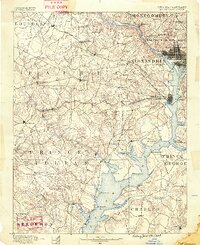 1890 Mt. Vernon1890 Print · USGSNorthern Virginia and the capital region appear here in the decade before the turn of the century, showing a landscape of river estates and rail-connected villages. Researchers can trace early property sites and historic river landings from Mt. Vernon to Occoquan and Falls Church.
 - 1891 Map of Mt. Vernon
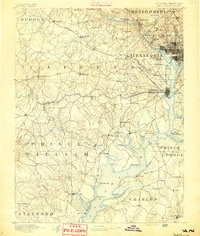 1891 Mt. Vernon1891 Print · USGSNorthern Virginia and the D.C. area appear here in the late nineteenth century, as the rail-and-river economy connected rural counties to the capital. Researchers can trace ancestral roots through dozens of local landmarks, including Arlington National Cemetery, the Fox Ferry, and historic towns like Occoquan and Vienna.
 - 1894 Map of Mt. Vernon, 1904 Print
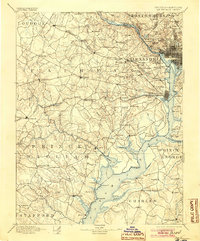 1894 Mt. Vernon1904 Print · USGSThe Potomac River valley south of the capital was still largely a landscape of crossroads and rail depots in the late nineteenth century. Genealogists can trace the rural reaches of Fairfax through landmarks like Arlington National Cemetery, Mt. Vernon, and Tyson Cross Roads.6 unique versions available
 - 1897 Map of Mt. Vernon
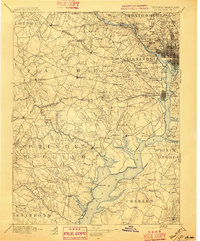 1897 Mt. Vernon1897 Print · USGSNorthern Virginia and the Potomac River appear in the late nineteenth century as a landscape of rural crossroads and strategic fortifications. Trace the early footprints of Vienna, Herndon, and Manassas along the path of the Southern R. R.2 unique versions available
 - 1913 Map of Indian Head
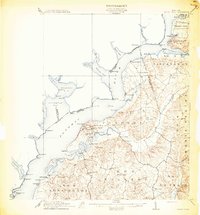 1913 Indian Head1913 Print · USGSThe Potomac River tidewater south of the capital was a region of defensive forts and busy river landings before the First World War. Researchers can trace the early layout of the Naval Proving Grounds and locate family landmarks like Mattinglys Wharf or the Granny Thompson School.2 unique versions available
 - 1923 Map of Indian Head
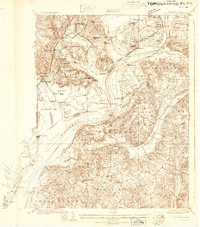 1923 Indian Head1923 Print · USGSMaryland and Virginia meet along the Potomac in the 1920s, a period when steamboats and early highways still defined regional travel. Genealogists can trace family footprints through sites like Marshall Hall PO, Pohick Church, and the Woodlawn School (Colored).2 unique versions available
 - 1925 Map of Indian Head
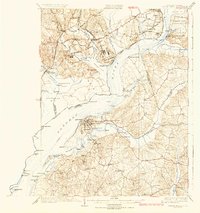 1925 Indian Head1925 Print · USGSThe Potomac River corridor in the mid-1920s reveals a landscape of strategic military installations and historic river landings. Genealogists and local historians can trace the foundations of Indian Head, find local landmarks like Pohick Church, or locate defunct river hubs such as Budds Ferry.6 unique versions available
 - 1927 Map of Quantico
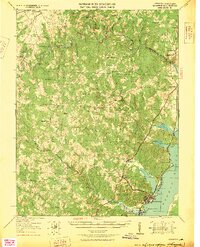 1927 Quantico1927 Print · USGSPrince William County and the Potomac riverfront appear here in the late twenties, captured just as military and transit corridors began to reshape the rural landscape. Researchers can trace the early foundations of the Marine Corps Reservation and locate vanished local landmarks like Minnieville Store and the Sinclairs Mill.
 - 1940 Map of Quantico
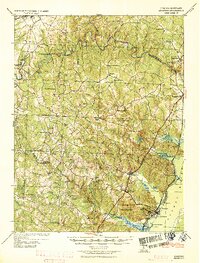 1940 Quantico1940 Print · USGSCoastal Virginia and Maryland are captured here during the late pre-war era, showing the growing military footprint around the Potomac. Genealogists can trace family names and landmarks like Sinclairs Mill, Bacon Race School, and the historic Dumfries settlement.2 unique versions available
 - 1943 Map of Quantico
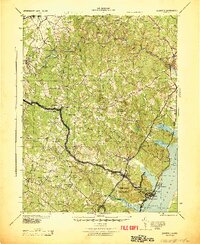 1943 Quantico1943 Print · USGSCoastal Northern Virginia in the mid-1940s reveals a region transitioning from a rural riverfront to a strategic military hub. Researchers can trace the early layout of the Marine Corps Reservation or locate family sites like Shacklet PO and Old Chopawamsic Ch.
 - 1944 Map of Belvoir
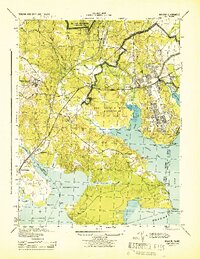 1944 Belvoir1944 Print · USGSFairfax County is shown at a pivotal moment in the 1940s, balancing its historic riverfront estates with wartime military expansion. Genealogists can trace old family sites and stations near Woodbridge, Colchester, and the landmark Gunston Hall.
 - 1944 Map of Occoquan
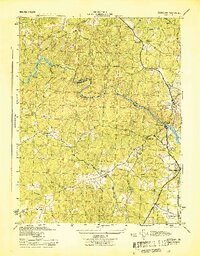 1944 Occoquan1944 Print · USGSNorthern Virginia at the peak of the war years shows a landscape of rural crossroads and riverfront settlements. Genealogists and historians can locate family-named landmarks like Davis Store, local schools such as Agnesville Sch, and the rail infrastructure of Featherstone Sta.
 - 1948 Map of Occoquan
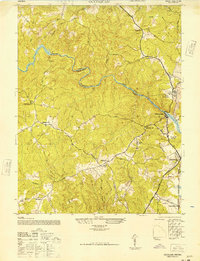 1948 Occoquan1948 Print · USGSNorthern Virginia at the edge of the Potomac was a landscape of crossroads stores and creek-side industry just after the war. Local historians can trace the foundations of Woodbridge and Occoquan alongside landmarks like Ryans Dam and Bethel Sch.
 - 1948 Map of Washington
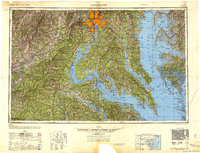 1948 Washington1948 Print · USGSThe Potomac and Chesapeake regions in the late 1940s reveal a landscape of expanding military reach and deep-rooted Tidewater settlements. Trace old rail corridors like the Richmond Fredericksburg & Potomac RR or locate landmarks like the Wakefield Washington Monument and St. Marys College.2 unique versions available
 - 1948 Map of Belvoir
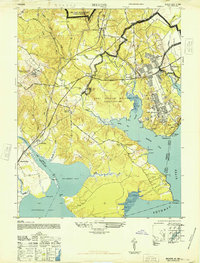 1948 Belvoir1948 Print · USGSFairfax County and the Potomac River shoreline appear in the late 1940s as military expansion meets historic Virginia estates. Trace the footprint of Fort Belvoir and search for family roots near Gunston Hall, Pohick Ch, and the old settlement at Colchester.
 - 1951 Map of Belvoir, 1953 Print
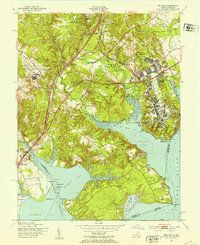 1951 Belvoir1953 Print · USGSThe Potomac shoreline in the early fifties shows a transition from historic estates to expanding military facilities. Genealogists can trace family landmarks like Woodlawn Mansion, Laceys Hill Cem, and the settlement at Accotink.2 unique versions available
 - 1951 Map of Occoquan, 1953 Print
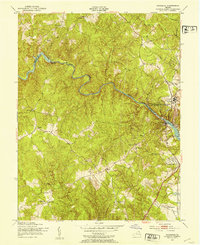 1951 Occoquan1953 Print · USGSNorthern Virginia in the early fifties shows a landscape of rural crossroads and river industry. Trace family roots at Farrs Corner, locate Oak Grove Ch, and see the rail corridor of the Richmond Fredericksburg and Potomac.
 - 1956 Map of Belvoir, 1959 Print
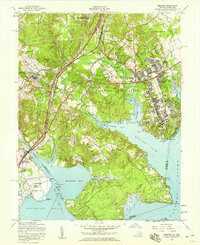 1956 Belvoir1959 Print · USGSFairfax County in the mid-fifties is captured here as a landscape of military expansion, riverfront estates, and early highway development. Researchers can trace family roots through Pohick Ch, Gunston Sch, and the historical grounds of Gunston Hall.
 - 1956 Map of Occoquan, 1959 Print
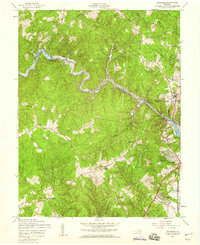 1956 Occoquan1959 Print · USGSPrince William and Fairfax counties meet along the winding Occoquan River in the mid-1950s. Researchers can trace historic family-named sites like Stony Lonesome Cem, the railroad at Featherstone, and old community hubs at Agnewville and Hoadly.4 unique versions available
 - 1956 Map of Indian Head, 1961 Print
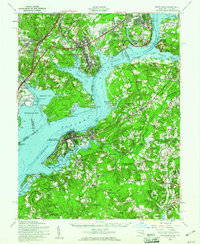 1956 Indian Head1961 Print · USGSThe Potomac shoreline in the mid-fifties is a landscape of federal reservations and tobacco-country heritage. Researchers can trace historic river landings like Proctors Wharf and significant sites such as the Indian Head Powder Factory or the Habre de Venture estate.2 unique versions available
 - 1957 Map of Quantico, 1961 Print
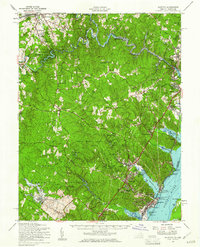 1957 Quantico1961 Print · USGSPrince William County in the late fifties shows the expansion of military and park lands along the Potomac. Trace the footprint of Quantico Marine Base and Prince William Forest Park, or locate landmarks like Lebeau Airport and Woodbine Ch.2 unique versions available
 - 1957 Map of Washington, 1966 Print
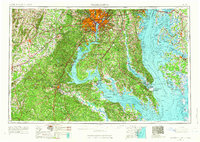 1957 Washington1966 Print · USGSThe mid-Atlantic region during the mid-fifties and early sixties reveals a landscape of growing suburbs and vital military outposts. Researchers can trace historic river towns and shorelines from Alexandria to the Hooper Islands and St Clements Island.5 unique versions available
 - 1961 Map of Washington
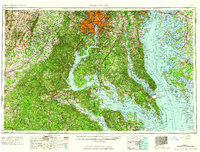 1961 Washington1961 Print · USGSThe mid-Atlantic region in the late fifties is presented in remarkable detail, from the Blue Ridge foothills to the Chesapeake Eastern Shore. Researchers can trace historic river landings and military sites like Mount Vernon, Fort Belvoir, and Point Lookout.2 unique versions available
 - 1965 Map of Belvoir, 1967 Print
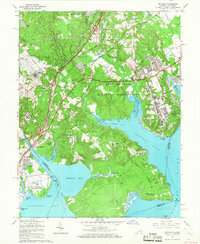 1965 Belvoir1967 Print · USGSFairfax County in the mid-sixties reveals a dense intersection of Cold War military operations and preserved colonial history along the Potomac shoreline. Researchers can trace ancestral sites at Pohick Ch and Gunston Hall, or locate family homes in Newington and Harbor View.4 unique versions available
 - 1966 Map of Occoquan, 1968 Print
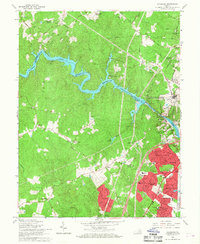 1966 Occoquan1968 Print · USGSPrince William County is shown in a period of transition during the mid-sixties, as planned communities like Dale City emerge alongside the Occoquan Reservoir. Trace family roots at Oak Grove Ch or locate the site of the former Woodbridge Airport.4 unique versions available
Showing maps 1-25 of 41
Top cities near Lorton
- Washington historical maps
- Arlington historical maps
- Alexandria historical maps
- Dale City historical maps
- Centreville historical maps
- Lake Ridge historical maps
See more
Top neighborhoods of Lorton
- Laurel Hill historical maps
- Laurel Crest historical maps
- Liberty historical maps
- Lorfax Heights historical maps
- Spring Hill historical maps
Frequently asked questions
- What are the different types of historical maps available for Lorton?
- What is the oldest map of Lorton?
- Where can I purchase historical maps of Lorton for my home or office?
- Where can I download high-res historical maps of Lorton?
- Are there historical topographic maps available for Lorton?
- Is there historical aerial imagery available for Lorton?
- Where are historical maps of Lorton sourced from?