Old Maps of Pungo, Virginia for Genealogy
Trace your family roots with 11 historic maps of Pungo. These high-res maps reveal old neighborhoods, homesites, landmarks, and streets — helping you uncover where your ancestors lived and how the area evolved over time.
- Explore historic neighborhoods: Identify where your relatives may have lived in the 1800s or 1900s.
- Compare maps over time: Trace the changes in streets, buildings, and landmarks for multi-generational research.
- Perfect for genealogy & ancestry research: Used by family historians and researchers to map out lineage and migration.
These maps are an incredible resource for exploring your personal connection to Pungo's past.
Pungo, VA maps
(11)- 1907 Map of Norfolk
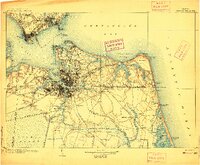 1907 Norfolk1907 Print · USGSCoastal Virginia is mapped here at the dawn of the twentieth century, during the bustle of the great Jamestown Exposition. Researchers can trace the early rail-and-canal economy through the Albemarle and Chesapeake Canal, the Navy Yard, and historic outposts like the Cape Henry Light.
 - 1939 Map of Moyock, 1959 Print
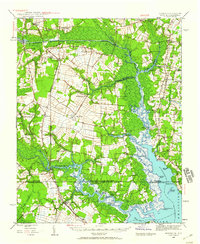 1939 Moyock1959 Print · USGSThe Virginia and North Carolina borderlands come to life in this pre-war survey of the tidewater region, where the Intracoastal Waterway meets the coastal swamps. Researchers can trace family roots through numerous landmarks like Moyock Cem, Pungo Ferry, and the Willow Grove Sch.
 - 1946 Map of Moyock
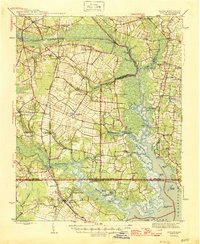 1946 Moyock1946 Print · USGSThe Virginia and North Carolina borderlands come alive in the mid-1940s, showing a landscape of rail-connected crossroads and tidal waterways. Genealogists can locate family landmarks like Moyock Cem, St Brides, and the Willow Grove Sch.2 unique versions available
 - 1953 Map of Norfolk, 1954 Print
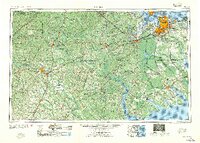 1953 Norfolk1954 Print · USGSCoastal Virginia and northeastern North Carolina appear here during the post-war industrial boom, showing the critical rail-and-sea connections of Hampton Roads. Genealogists can trace family roots through rural landmarks like Gethsemane Ch, the Caledonia State Prison Farm, and the vast interior of the Dismal Swamp.4 unique versions available
 - 1954 Map of Pleasant Ridge, 1956 Print
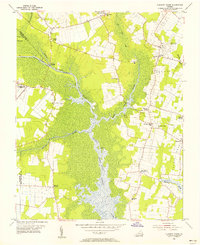 1954 Pleasant Ridge1956 Print · USGSCoastal Virginia in the mid-fifties is captured here during a period of rural stability and maritime importance. Genealogists and local historians can trace family-named landmarks and old post offices such as Back Bay (Backbay P O), Dawley Corners, and Camels Chapel.7 unique versions available
 - 1985 Map of Norfolk, 1986 Print
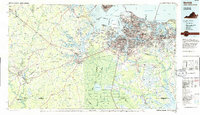 1985 Norfolk1986 Print · USGSThe Tidewater region in the mid-eighties shows the dense urban expansion of the coastal cities alongside the preservation of the Great Dismal Swamp. Researchers can trace rural family-named crossroads and historic transit routes like the Seaboard Coast Line or find Somerton and Lake Drummond.3 unique versions available
 - 2011 Map of Pleasant Ridge, 2011 Print
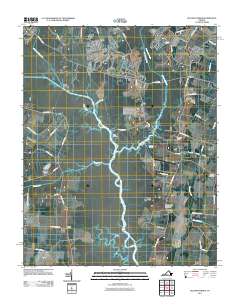 2011 Pleasant Ridge2011 Print · USGSThe rural stretches of southern Virginia Beach are documented here in the early 21st century. Researchers can trace family roots through settlements like Land of Promise, visit the Charity Cemetery, and locate the Back Bay Station Virginia Beach Post Office.
 - 2013 Map of Pleasant Ridge, 2013 Print
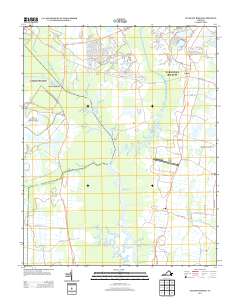 2013 Pleasant Ridge2013 Print · USGSThe Virginia Beach lowlands are captured here in the early twenty-first century, showcasing the wetland networks of the North Landing River. Researchers can trace old settlement patterns at Pungo and Dawley Corners or locate the Virginia Beach Airport.
 - 2016 Map of Pleasant Ridge, 2016 Print
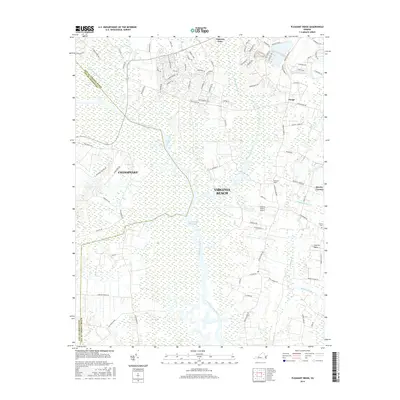 2016 Pleasant Ridge2016 Print · USGSCoastal Virginia near the North Carolina border remains a landscape of tidal marshes and historic crossroads in the mid-2010s. Genealogists and local historians can trace the areas around Pungo, Charity Neck, and the Charity Cem along the North Landing River.
 - 2019 Map of Pleasant Ridge, 2019 Print
 2019 Pleasant Ridge2019 Print · USGSThe coastal lowlands and maritime corridors of southeastern Virginia are detailed here in the late twenty-teens. Researchers can trace the intersection of the Intracoastal Waterway with local landmarks like Pungo, the Virginia Beach Airport, and the Charity United Methodist Church Cem.
 - 2022 Map of Pleasant Ridge, 2022 Print
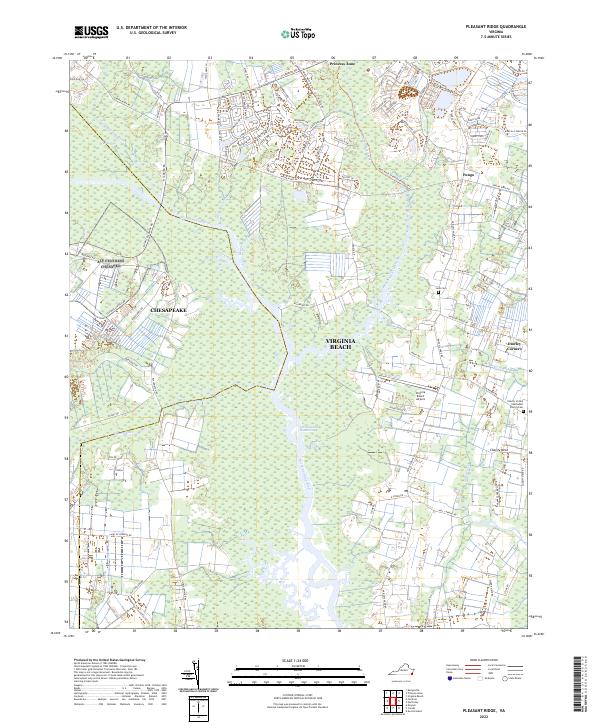 2022 Pleasant Ridge2022 Print · USGSCoastal Virginia near the Chesapeake and Virginia Beach border appears here in a detailed contemporary survey. Researchers can trace the maritime corridors of the Intracoastal Waterway or locate local landmarks like Pungo and Charity United Methodist Church Cem.
End of results
Showing maps 1-11 of 11
Frequently asked questions
- What are the different types of historical maps available for Pungo?
- What is the oldest map of Pungo?
- Where can I purchase historical maps of Pungo for my home or office?
- Where can I download high-res historical maps of Pungo?
- Are there historical topographic maps available for Pungo?
- Is there historical aerial imagery available for Pungo?
- Where are historical maps of Pungo sourced from?