1900s (20th Century) Maps of Wise County, Virginia
Explore 52 historic maps of Wise County from the 1900s (20th Century). These maps offer a rare glimpse into what life looked like during the 1900s — showing old roads, neighborhoods, homes, and landmarks that have changed or disappeared over time.
Whether you're researching your family's past, planning a metal detecting trip, or studying how Wise County's landscape evolved across the 1900s, these high-resolution maps are a powerful tool for exploring the history of this region.
- Focus on a specific era: All maps on this page are from the 1900s, giving you a focused view of this time period.
- See what’s changed: Compare century-old streets, trails, and buildings to today's modern landscape using overlays and satellite layers.
- Research with precision: Use these maps for genealogy, historical research, land use analysis, or educational projects.
- View, download, or print: Maps are fully viewable online in high resolution, and can be downloaded or printed for your own records.
Start exploring Wise County's history through authentic maps from the 1900s. This is your window into the past.
Wise County, VA maps
(52)- 1902 Map of Bristol
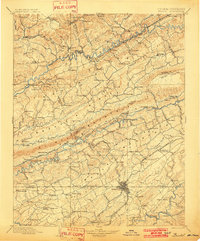 1902 Bristol1902 Print · USGSThe interstate border region around Bristol appears here at the start of the twentieth century, defined by its deep mountain ridges and river valleys. Researchers can trace the early industrial footprint of the area through numerous landmarks like Bickley Mill, Kings Mill, and the Norfolk and Western RR.6 unique versions available
 - 1912 Map of Pound
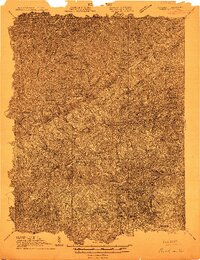 1912 Pound1912 Print · USGSThe borderlands of Wise County and Kentucky are captured in the early twentieth century before the coal industry fully reshaped the mountain hollows. Researchers can trace ancestral locations of schools and gaps, such as Upper Millstone School, Pound Gap, and the settlement of Jenkins.2 unique versions available
 - 1913 Map of Oven Fork
 1913 Oven Fork1913 Print · USGSLetcher County's steep ridges and narrow hollows are shown here in the early twentieth century, just as the Lexington and Eastern Ry arrived. Genealogists can trace family settlements from Whitesburg to Blackey, and locate early schools and landmarks like Campbranch Chapel or Pound Gap.
 - 1913 Map of Clintwood, 1962 Print
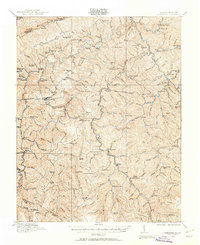 1913 Clintwood1962 Print · USGSVirginia's rugged coal country is captured here during the early twentieth century, showing a landscape of isolated ridge-top schools and river-valley settlements. Genealogists can trace family footprints across dozens of local sites like Hatchet Church, Smith Corners, and the Nichols Gap School.
 - 1914 Map of Pound
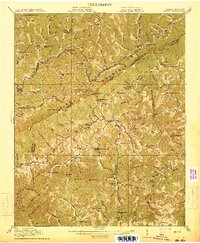 1914 Pound1914 Print · USGSThe Central Appalachian coal country comes alive in this survey of the Kentucky and Virginia borderlands during a period of rapid industrial growth. Genealogists can trace family roots through dozens of rural schools like Phipps School and Donald School, or follow the early path of the Lexington and Eastern RR.4 unique versions available
 - 1915 Map of Clintwood
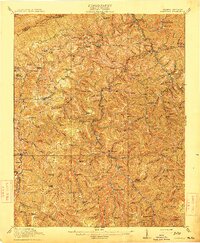 1915 Clintwood1915 Print · USGSThe northern Virginia coalfields are captured here in the mid-1910s, revealing a landscape of winding river valleys and ridge-top gaps. Genealogists can trace dozens of early schools and family settlements such as Clintwood, Haysi, and Rainy Flat School.3 unique versions available
 - 1915 Map of Whitesburg
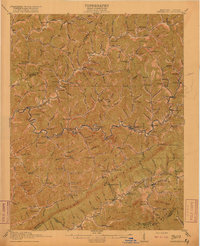 1915 Whitesburg1915 Print · USGSLetcher County at the start of the twentieth century shows a landscape of deep hollows and growing rail towns. Genealogists can trace family roots through numerous numbered schoolhouses and settlements like Whitesburg, Blackey, and Indian Bottom.4 unique versions available
 - 1920 Map of Wise
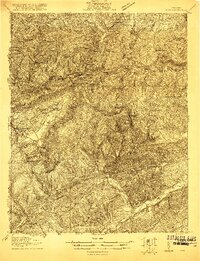 1920 Wise1920 Print · USGSThe coal and rail country of Southwest Virginia is captured here in the years following the Great War. Genealogists can locate family landmarks such as Fort Blackmore, Grays School, and the scattered settlements of Dunbar and Esserville.
 - 1920 Map of Coeburn
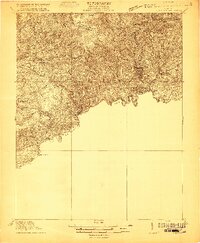 1920 Coeburn1920 Print · USGSSouthwest Virginia during the height of its rail and timber era reveals a complex network of company towns and mountain settlements. Genealogists can trace family footprints near Dante, St Paul, and Castlewood, or locate rural institutions like the Greenwood School and Carter School.5 unique versions available
 - 1921 Map of Big Stone Gap
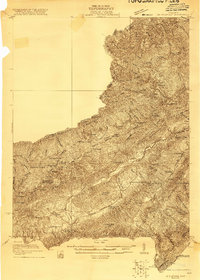 1921 Big Stone Gap1921 Print · USGSIn the early 1920s, the coal and rail networks of Wise and Lee Counties were at their peak. Genealogists and historians can trace old settlements and rural hubs like Keokee, Johnsons Mill PO, and Stonega along the Southern RR and the Powell River.
 - 1921 Map of Wise
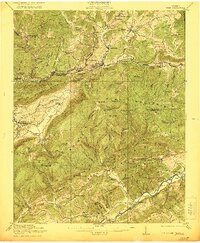 1921 Wise1921 Print · USGSWise County in the early twentieth century was a landscape of coal-town industry and mountain schools. Search for family roots in settlements like Norton, Big Stone Gap, and Glamorgan, or locate rural landmarks such as Cox Chapel and Buffalo School.2 unique versions available
 - 1922 Map of Big Stone Gap
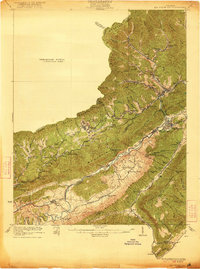 1922 Big Stone Gap1922 Print · USGSSouthwest Virginia's coal and rail corridors are captured here in the early 1920s, showing the height of industrial development in the Cumberland Mountains. Trace family roots and vanished landmarks near Appalachia, Keokee, and the historic Seminary School along the Powell River.
 - 1929 Map of Big Stone Gap
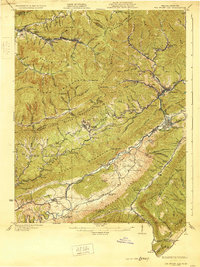 1929 Big Stone Gap1929 Print · USGSThe coal and rail networks of the Kentucky-Virginia border country are frozen in time just before the Great Depression. Genealogists and historians can trace family roots through mountain settlements like Lynch, Keokee, and Appalachia, or locate landmarks such as Robbins Chapel and Cluttis Post Office.3 unique versions available
 - 1935 Map of Pardee
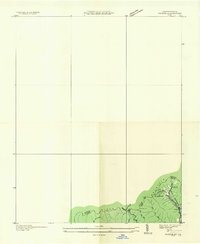 1935 Pardee1935 Print · USGSThe coal country of the Kentucky-Virginia border is captured here during the mid-1930s, documenting the industrial footprint along the state line. Genealogists and historians can locate the Pardee Mines, the Pardee Ch, and landmarks like Whitesburg No 1.
 - 1935 Map of Indian Gap
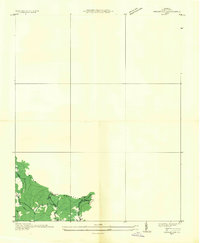 1935 Indian Gap1935 Print · USGSWise County is shown during a period of coal-driven growth in the mid-1930s. Researchers can trace the industrial landscape of Clinchfield Coal No 14 and the local community around Glamorgan, Vickers, and the Gilliam Sch.
 - 1935 Map of Wise
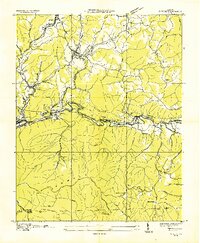 1935 Wise1935 Print · USGSWise and Norton were hubs of industry in the mid-1930s, defined by the winding Guest River and an extensive network of coal mines. Researchers can trace early mining operations like Cinchfield Coal No 15 and family-named landmarks like Stallard Ch.
 - 1935 Map of Norton
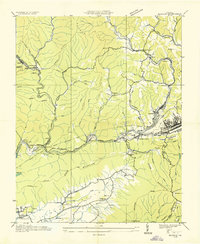 1935 Norton1935 Print · USGSIn the mid-1930s, the coal fields of Wise County were a hive of industrial activity centered around rail junctions and company towns. Researchers can trace the lineage of local families at Legion Memorial Cem and locate specific mine sites like Stonega Coal No 125 or the CCC Camp P 63.
 - 1935 Map of Appalachia
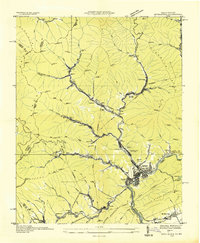 1935 Appalachia1935 Print · USGSThe Virginia-Kentucky borderlands hummed with coal and rail activity in the mid-1930s. Genealogists and industrial historians can trace family locations through numerous company towns like Roda and Arno, or locate the Interstate Shops and Yards.
 - 1935 Map of East Stone Gap
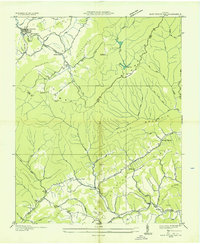 1935 East Stone Gap1935 Print · USGSThe Powell Valley region of Southwest Virginia is shown here in the mid-1930s as the rail and river economy shaped the landscape. Researchers can trace the Southern RR through Elverton Station and locate community landmarks like Dortons Chapel and Cracker Neck Sch.
 - 1935 Map of Benham
 1935 Benham1935 Print · USGSThe Kentucky-Virginia state line runs along the high ridges of the Cumberland Plateau during the mid-1930s. Researchers can trace coal operations like Potato Hill Stonega Coal No 71 and topographic landmarks such as Deep Gap.
 - 1935 Map of Flat Gap
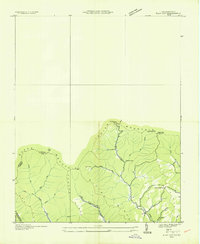 1935 Flat Gap1935 Print · USGSThe high ridges of the Appalachians meet at the Virginia and Kentucky border during the mid-1930s. Genealogists and local historians can trace family land via Steve Horn Branch, locate the Hunsucker Sch, or follow the old Powell Mc Corkle Lumber Company Tramway.
 - 1935 Map of Toms Creek
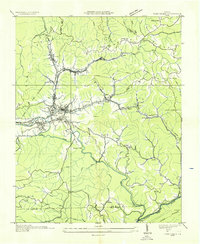 1935 Toms Creek1935 Print · USGSWise County's coal and rail economy is on full display in the mid-1930s, centered on the bustling junctions of the Guest River valley. Genealogists and historians can locate family sites like Kilgore Cem, coal operations at Clinchfield No. 21, and the strategic Beverly Tunnel.
 - 1935 Map of Olinger
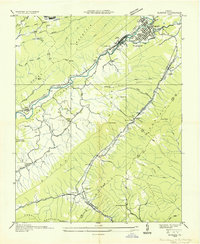 1935 Olinger1935 Print · USGSBig Stone Gap and the surrounding coal ridges of Southwest Virginia are captured here in the mid-1930s. Genealogists and local historians can trace family locations near Seminary Sch, Olinger, and church sites like Robinette Chapel or Union Ch.
 - 1935 Map of St Paul
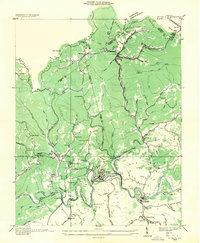 1935 St Paul1935 Print · USGSSouthwest Virginia coal country thrives in the mid-1930s as the rail networks of the Clinchfield and Norfolk and Western intersect. Genealogists can trace family landmarks like Bickley Mills, Bull Hill Sch, and the community of St Paul along the Clinch River.
 - 1954 Map of Jenkins East, 1955 Print
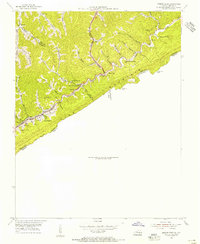 1954 Jenkins East1955 Print · USGSThe Kentucky and Virginia coalfields hummed with industry in the 1950s as the rail lines reached deep into the mountain hollows. Researchers can trace the layout of mining towns like Burdine and East Jenkins or locate rural landmarks like Marshall Branch Ch.
Showing maps 1-25 of 52
Top cities of Wise County
- Big Stone Gap historical maps
- Wise historical maps
- Coeburn historical maps
- Appalachia historical maps
- Pound historical maps
- Big Stone Gap East historical maps
See more
Frequently asked questions
- What are the different types of historical maps available for Wise County?
- What is the oldest map of Wise County?
- Where can I purchase historical maps of Wise County for my home or office?
- Where can I download high-res historical maps of Wise County?
- Are there historical topographic maps available for Wise County?
- Is there historical aerial imagery available for Wise County?
- Where are historical maps of Wise County sourced from?