Old Maps of Alder, Washington for Hiking & Exploration
Hike through history with 18 historic maps of Alder. Explore old trails, ghost towns, and forgotten backroads — perfect for outdoor adventurers and local explorers.
- Rediscover forgotten places: Map out old mining camps, roads, and footpaths that no longer exist on modern maps.
- Layer with modern tools: Combine with LiDAR or satellite views to plan hikes through historical terrain.
- Made for exploration: Popular among hikers, overlanders, and local history lovers.
Use these maps to find adventure and explore the hidden past of Alder.
Alder, WA maps
(18)- 1937 Map of Eatonville
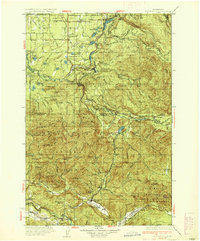 1937 Eatonville1937 Print · USGSThe timber and mining corridors of Pierce and Lewis Counties are captured here in the mid-1930s. Genealogists and historians can trace the early footprints of Eatonville, locate the Ladd Mine, and follow the path of the Chicago Milwaukee St Paul and Pacific RR.3 unique versions available
 - 1941 Map of Tanwax Lake
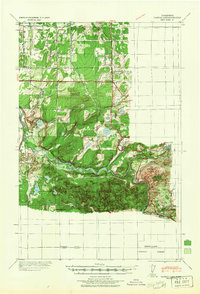 1941 Tanwax Lake1941 Print · USGSPierce County was a busy corridor for timber and defense just before the war, as shown in this detailed 1941 survey. Genealogists and historians can locate Camp 1 Logging Camp, the old Lacamas School, and the winding Chicago Milwaukee St Paul and Pacific rail line.
 - 1944 Map of Ohop Valley
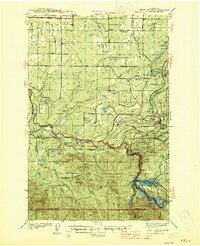 1944 Ohop Valley1944 Print · USGSThe Ohop Valley and surrounding Pierce County timberlands are shown here during the mid-1940s, just as the region’s hydroelectric and forestry infrastructure was maturing. Genealogists and researchers can trace rural life through sites like the Grange Hall, Edgerton Sch, and the logging community at Clay City.
 - 1949 Map of Ohop Valley, 1958 Print
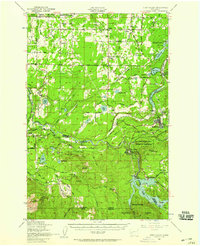 1949 Ohop Valley1958 Print · USGSThe Ohop Valley area in the late 1940s was a hub of timber and rail, where the Milwaukee Road winds through the foothills. Genealogists can locate family landmarks like Truth School Cem, Edgerton School, and the settlement at Clay City.2 unique versions available
 - 1953 Map of Hoquiam
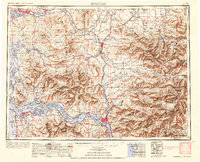 1953 Hoquiam1953 Print · USGSSouthwest Washington in the early fifties shows a landscape shaped by timber, rail, and river commerce from the coast to the Cascades. Genealogists and historians can trace the development of timber towns like Ryderwood and the industrial hubs of Hoquiam and Kelso.2 unique versions available
 - 1957 Map of Hoquiam
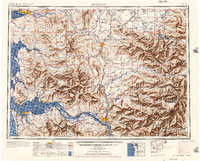 1957 Hoquiam1957 Print · USGSCoastal timber ports and inland rail hubs define Southwest Washington during the late fifties. Genealogists can trace early twentieth-century settlements like Bordeaux, Tono, and Cosmopolis alongside the expanding tracks of the Northern Pacific.
 - 1958 Map of Hoquiam, 1969 Print
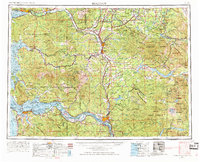 1958 Hoquiam1969 Print · USGSSouthwest Washington and the Columbia River estuary appear here in the mid-century, before major landscape shifts. Researchers can trace the rail lines of the Northern Pacific, locate the Fort Henness Site, or explore the Naselle Air Force Station.2 unique versions available
 - 1959 Map of Eatonville, 1967 Print
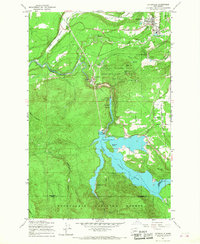 1959 Eatonville1967 Print · USGSEatonville and the Nisqually River valley are shown here during the late fifties, just as the regional hydroelectric and timber landscape reached its mid-century form. Researchers can trace the C M St P & P rail line, locate Alder Dam, and explore the University of Washington's Pack Demonstration Forest.2 unique versions available
 - 1959 Map of Ohop Valley, 1968 Print
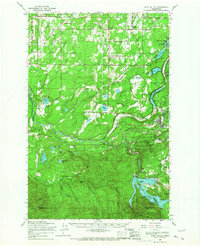 1959 Ohop Valley1968 Print · USGSPierce County in the late fifties was a landscape of timber, hydroelectric power, and small timber towns. Researchers can trace the Milwaukee Road through Eatonville or locate family roots at the Benston Community Ch and Rainier Cem.
 - 1962 Map of Hoquiam
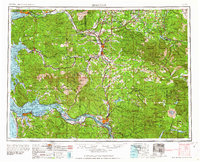 1962 Hoquiam1962 Print · USGSSouthwest Washington in the late fifties is defined by the bustling timber ports of Hoquiam and the rail-linked commerce of the interior valleys. Genealogists and historians can trace the early footprints of settlements like Raymond and Pe Ell, or locate family sites at Grand Mound Cem and Odd Fellows Cem.
 - 1980 Map of Centralia
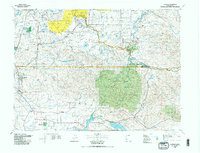 1980 Centralia1980 Print · USGSThe rail and river corridors of southwestern Washington are captured here in the late twentieth century, showing the region's transition from resource extraction to managed forest land. Researchers can trace the industrial footprint of the Stoker Mine, the rails of the Union Pacific, and the early development of Centralia and Chehalis.
 - 1990 Map of Eatonville, 1995 Print
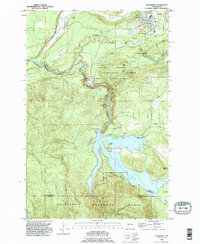 1990 Eatonville1995 Print · USGSEatonville and the Nisqually River valley appear here in the final decade of the millennium, defined by heavy timber research and massive hydro projects. Genealogists and local historians can trace the development of Alder, locate the Swanson Airport, and explore the bounds of the Charles Lathrop Pack Experimental Forest.
 - 1998 Map of Eatonville, 2003 Print
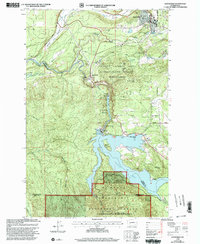 1998 Eatonville2003 Print · USGSThe Nisqually River corridor is shown here as it appeared in the late nineties, defined by the hydroelectric developments at Alder Lake and La Grande Reservoir. Researchers can trace the timber and research history of the Charles Lathrop Pack Demonstration Forest or locate landmarks like the Pack Lookout Tower and Little Mashel Falls.
 - 2011 Map of Eatonville, 2011 Print
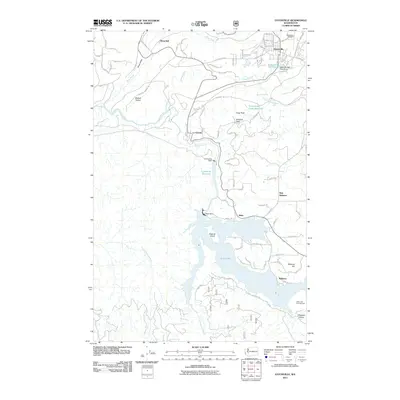 2011 Eatonville2011 Print · USGSThe foothills of Pierce County come into focus here during the early twenty-first century, centered on the historic timber and river town of Eatonville. Researchers can trace the water infrastructure of the Nisqually River, from the Alder Dam to the Eatonville Mill Pond.
 - 2014 Map of Eatonville, 2014 Print
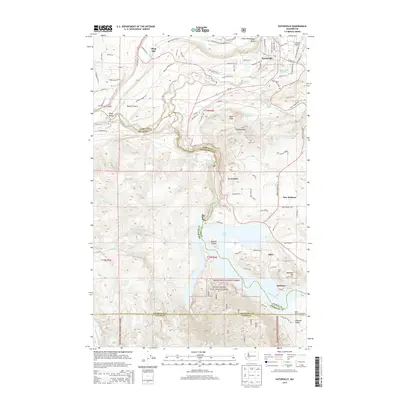 2014 Eatonville2014 Print · USGSEatonville and the Nisqually River valley appear here in a period of modern growth and recreation during the early twenty-first century. Researchers can trace family history through the Eatonville Cemetery or locate landmarks like Swanson Airport, Little Mashel Falls, and the settlement of Ohop Valley.
 - 2017 Map of Eatonville, 2017 Print
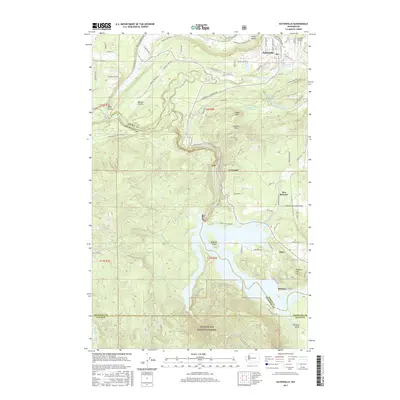 2017 Eatonville2017 Print · USGSThe river valleys and timberlands of Pierce County are shown here in the late 2010s. Researchers can trace the development of Eatonville and the impact of the Nisqually River on surrounding settlements like La Grande and Alder.
 - 2020 Map of Eatonville, 2020 Print
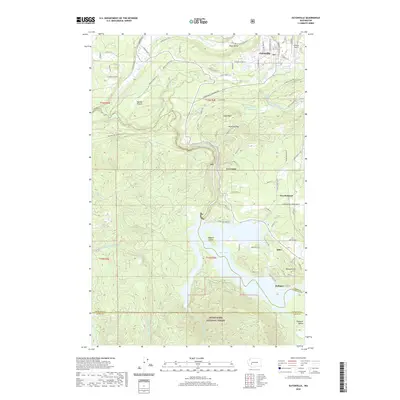 2020 Eatonville2020 Print · USGSPierce County’s river valleys and forested highlands are captured here in the contemporary era. Researchers can trace the legacy of the timber and power industries near Eatonville Mill Pond, the shores of Alder Lake, and the rural routes of Mashel Prairie.
 - 2023 Map of Eatonville, 2023 Print
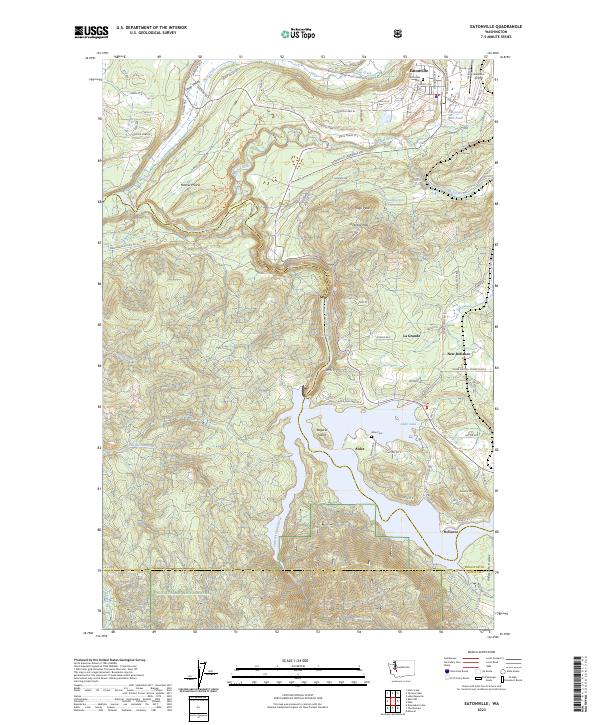 2023 Eatonville2023 Print · USGSEatonville and the Nisqually River valley are shown here in the early twenty-first century as the landscape transitions into the national forest. Researchers can trace local heritage through sites like Eatonville Cem, Swanson Airport, and the Eatonville Mill Pond.
End of results
Showing maps 1-18 of 18
Top cities near Alder
- Graham historical maps
- Elk Plain historical maps
- Eatonville historical maps
- Kapowsin historical maps
- Elbe historical maps
Frequently asked questions
- What are the different types of historical maps available for Alder?
- What is the oldest map of Alder?
- Where can I purchase historical maps of Alder for my home or office?
- Where can I download high-res historical maps of Alder?
- Are there historical topographic maps available for Alder?
- Is there historical aerial imagery available for Alder?
- Where are historical maps of Alder sourced from?