Old Maps of Charleston, West Virginia for Genealogy
Trace your family roots with 42 historic maps of Charleston. These high-res maps reveal old neighborhoods, homesites, landmarks, and streets — helping you uncover where your ancestors lived and how the area evolved over time.
- Explore historic neighborhoods: Identify where your relatives may have lived in the 1800s or 1900s.
- Compare maps over time: Trace the changes in streets, buildings, and landmarks for multi-generational research.
- Perfect for genealogy & ancestry research: Used by family historians and researchers to map out lineage and migration.
These maps are an incredible resource for exploring your personal connection to Charleston's past.
Charleston, WV maps
(42)- 1899 Map of Charleston
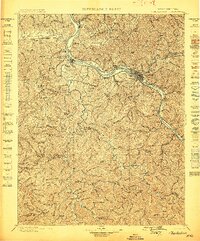 1899 Charleston1899 Print · USGSWest Virginia's capital and the surrounding coalfields are documented here during the late nineteenth-century industrial boom. Researchers can trace early mining operations at the Graham Mines and follow pioneer rail lines like the Winifrede R. R. through the rugged river hollows.6 unique versions available
 - 1909 Map of Charleston
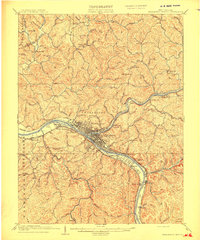 1909 Charleston1909 Print · USGSThe Kanawha and Elk rivers converge at the turn of the century, showing a region during a period of rapid industrial expansion. Trace old rail lines and rural landmarks like Mason Sta Graham Mines P.O. and the Morning Star School Church.6 unique versions available
 - 1931 Map of Charleston, 1956 Print
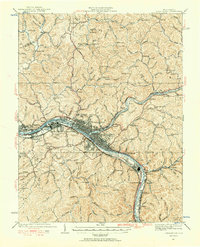 1931 Charleston1956 Print · USGSWest Virginia's capital and the surrounding river valley are shown here at a peak of industrial and rail expansion. Genealogists can trace family connections through numerous rural landmarks like the Levi Rand PO, Trinity Ch, and the ancient Mound.5 unique versions available
 - 1935 Map of Charleston, 1942 Print
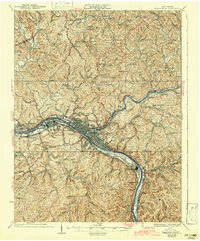 1935 Charleston1942 Print · USGSThe Kanawha Valley industrial corridor thrives in the mid-1930s as Charleston expands along its namesake river and rail lines. Local historians can trace the footprint of the U S Navy Reservation and dozens of rural hilltop schools like Walnut Gap Sch and Alum Sch.2 unique versions available
 - 1936 Map of Charleston
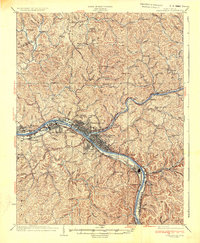 1936 Charleston1936 Print · USGSCharleston and the Kanawha Valley are captured during the 1930s industrial boom, when the river was a bustling corridor of rail and navigation. Genealogists can trace family names across dozens of rural schools like Roxalana Sch and sites like the U S Naval Reservation.
 - 1954 Map of Charleston
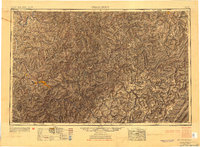 1954 Charleston1954 Print · USGSWest Virginia’s industrial heart and mountain highlands are captured here during the mid-fifties, centered on the capital city. Researchers can trace historic river-and-rail corridors along the Kanawha River and locate remote peaks within the Monongahela National Forest.
 - 1957 Map of Charleston East, 1959 Print
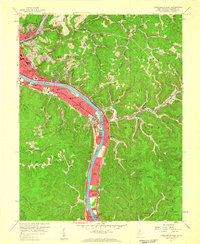 1957 Charleston East1959 Print · USGSThe West Virginia state capital and its industrial river corridor are captured in the late fifties as the turnpike and suburbs expanded. Researchers can trace mid-century landmarks like Morris Harvey College, the State Capitol, and the Kanawha Airport.3 unique versions available
 - 1957 Map of Charleston, 1966 Print
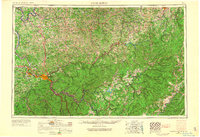 1957 Charleston1966 Print · USGSMid-century West Virginia unfolds along the industrial Kanawha River valley and into the high Allegheny Mountains. Genealogists and historians can trace the vital rail lines of the Chesapeake and Ohio and locate riverside settlements from Saint Albans to Buckhannon.3 unique versions available
 - 1958 Map of Charleston
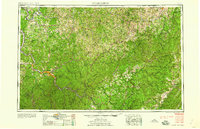 1958 Charleston1958 Print · USGSMid-century West Virginia is defined here by the industrial corridor of the Kanawha River and the high ridges of the Allegheny Mountains. Researchers can trace the rail networks of the New York Central or locate remote highland communities like Pickens and Hillsboro.
 - 1958 Map of Charleston West, 1959 Print
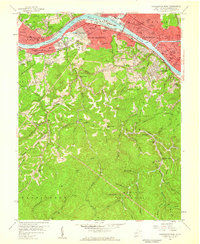 1958 Charleston West1959 Print · USGSThe Kanawha River valley was a bustling corridor of industry and education in the late fifties, from the Naval Ordnance Plant to the city centers. Genealogists and historians can trace neighborhood growth in South Hills or locate family markers in Sunset Memorial Cemetery and Graceland Cem.4 unique versions available
 - 1958 Map of Big Chimney, 1960 Print
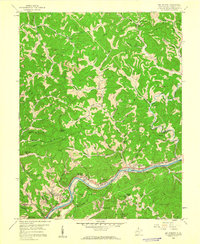 1958 Big Chimney1960 Print · USGSIn the late 1950s, the Elk River valley served as a busy corridor for industry and new infrastructure like the Kanawha Airport. Genealogists can trace early homesteads and community hubs at Big Chimney, Griffith Chapel, and Baxter Sch.4 unique versions available
 - 1958 Map of Pocatalico, 1960 Print
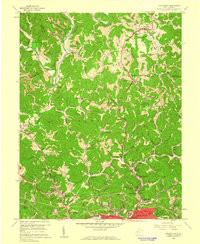 1958 Pocatalico1960 Print · USGSThe northern hills of Charleston appear in the late fifties as a mix of traditional mining and new suburban growth. Researchers can trace family roots through numerous country schools and churches like Aetna Dell Sch, Bias Chapel, and the Tyler Mtn Memory Gardens.4 unique versions available
 - 1958 Map of Charleston East, 1978 Print
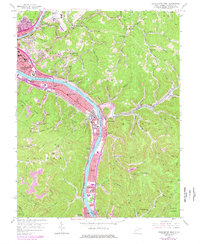 1958 Charleston East1978 Print · USGSThe industrial corridor of the Kanawha River valley east of Charleston is captured here in the late fifties, showcasing a landscape defined by manufacturing and transit. Genealogists and local researchers can trace family names and community landmarks from Spring Hill Cemetery to Dupont City and Hess Cem.
 - 1961 Map of Charleston
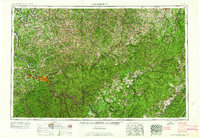 1961 Charleston1961 Print · USGSWest Virginia's capital region and the highlands to the east are shown in detail during the early sixties. Genealogists and historians can trace rail networks like the Baltimore and Ohio RR and find early state parks such as Watoga State Park.
 - 1977 Map of Big Chimney, 1980 Print
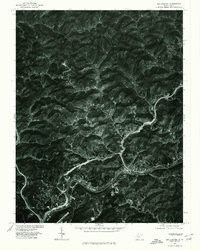 1977 Big Chimney1980 Print · USGSThe Elk River valley comes into sharp focus during the late seventies, showing the concentrated development of Kanawha County. Genealogists and local historians can trace the mid-century layout of Big Chimney, Elk Hills, and Milliken.
 - 1977 Map of Charleston East, 1980 Print
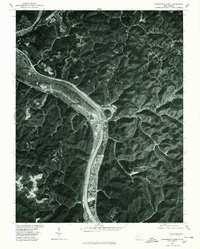 1977 Charleston East1980 Print · USGSThe industrial corridor of the Kanawha Valley is captured in detail during the late 1970s, showing the concentrated development between the steep hills and the river. Trace the layout of riverside communities from Kanawha City to Dupont City and the winding course of Campbells Creek.
 - 1977 Map of Charleston West, 1980 Print
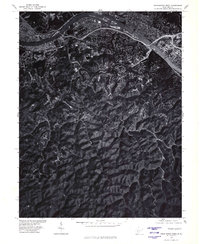 1977 Charleston West1980 Print · USGSThe Kanawha River valley and its surrounding ridges are captured in clear detail during the late seventies. Researchers can trace the development of the riverfront and study the timbered terrain along the Kanawha River corridor.
 - 1977 Map of Pocatalico, 1980 Print
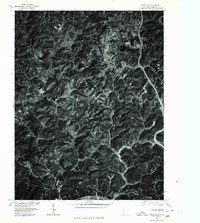 1977 Pocatalico1980 Print · USGSWest Virginia's river valleys and wooded ridges are seen from above in the late seventies. Family historians and land researchers can trace property lines and settlement footprints in Pocatalico, Guthrie, and along the Pocatalico River.
 - 1984 Map of Charleston
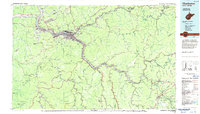 1984 Charleston1984 Print · USGSWest Virginia's capital and the industrial Kanawha Valley are shown here in the mid-eighties as modern interstates began to reshape the region. Local researchers can locate family-named landmarks like Reamer (Sybial PO) and institutional anchors like West Virginia State College.2 unique versions available
 - 1994 Map of Pocatalico, 1999 Print
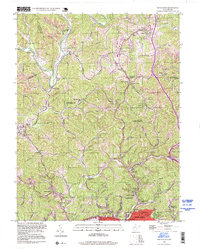 1994 Pocatalico1999 Print · USGSThe northern hills of Kanawha County appear in this mid-nineties survey during a period of suburban growth and persisting coal activity. Genealogists can locate family landmarks like the Rocky Fork Cem and historic schools such as the Martin Br Sch or Aetna-Dell Ch.
 - 1996 Map of Charleston East, 2000 Print
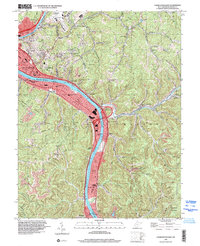 1996 Charleston East2000 Print · USGSCharleston and the industrial Kanawha Valley are captured here in the mid-nineties as the city expanded east into the hollows. Researchers can trace family sites at Spring Hill Cemetery or locate landmarks like Morris Harvey College and the Marmet Locks.
 - 1996 Map of Charleston West, 2000 Print
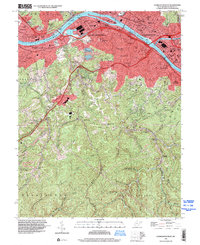 1996 Charleston West2000 Print · USGSCharleston’s industrial heart and urban core are captured here in the late nineties, documenting the dense growth along the Kanawha River. Genealogists and local historians can trace school sites like London High Sch, family plots at Grandview Memorial Cem, and neighborhood evolution in South Hills.
 - 2011 Map of Charleston East, 2011 Print
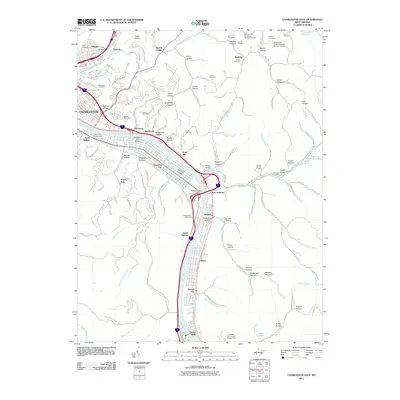 2011 Charleston East2011 Print · USGSThe Kanawha River corridor near CHARLESTON is captured here in the early twenty-first century, showing the dense network of settlements and hollows. Genealogists can locate family burial plots at Spring Hill Cemetery or Hess Cemetery and trace historical landmarks like the Malden Post Office.
 - 2011 Map of Charleston West, 2011 Print
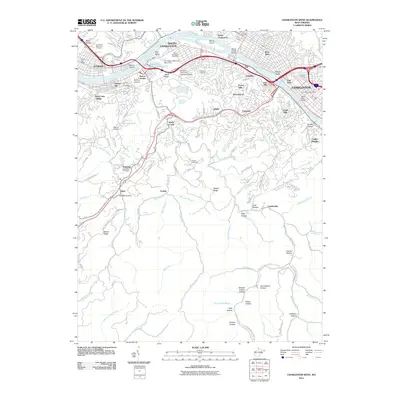 2011 Charleston West2011 Print · USGSThe Kanawha River corridor comes alive in this 2011 study of the West Virginia capital region's industrial and residential heart. Trace local history through landmarks like Kenna Homes, Mallory Airport, and numerous family burial sites including French Cemetery.
 - 2011 Map of Big Chimney, 2011 Print
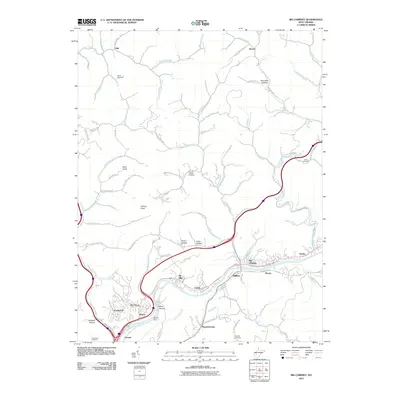 2011 Big Chimney2011 Print · USGSThe Elk River valley north of Charleston is captured here in the early twenty-first century, showing the dense residential growth along the riverbanks. Researchers can locate family cemeteries like Given Cemetery and trace old hollows such as Hammack Hollow and Scott Hollow.
Showing maps 1-25 of 42
Top cities near Charleston
- South Charleston historical maps
- Saint Albans historical maps
- St. Albans historical maps
- Dunbar historical maps
- Winfield historical maps
- Marmet historical maps
See more
Top neighborhoods of Charleston
- Airport Village historical maps
- Hillsdale historical maps
- Ivydale historical maps
- North Charleston historical maps
- East Side historical maps
- Oakwood historical maps
See more
Frequently asked questions
- What are the different types of historical maps available for Charleston?
- What is the oldest map of Charleston?
- Where can I purchase historical maps of Charleston for my home or office?
- Where can I download high-res historical maps of Charleston?
- Are there historical topographic maps available for Charleston?
- Is there historical aerial imagery available for Charleston?
- Where are historical maps of Charleston sourced from?