Old Maps of Pocahontas County, West Virginia for Hiking & Exploration
Hike through history with 238 historic maps of Pocahontas County. Explore old trails, ghost towns, and forgotten backroads — perfect for outdoor adventurers and local explorers.
- Rediscover forgotten places: Map out old mining camps, roads, and footpaths that no longer exist on modern maps.
- Layer with modern tools: Combine with LiDAR or satellite views to plan hikes through historical terrain.
- Made for exploration: Popular among hikers, overlanders, and local history lovers.
Use these maps to find adventure and explore the hidden past of Pocahontas County.
Pocahontas County, WV maps
(238)- 1889 Map of Beverly
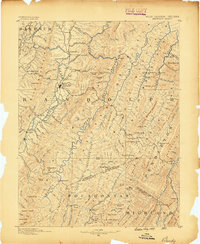 1889 Beverly1889 Print · USGSThe high Allegheny ridges and river forks of West Virginia are mapped here in the late 1880s, highlighting the rugged settlement patterns of Randolph and Pocahontas counties. Researchers can trace early family-named locations such as Days Mills, locate the Boundary Line In Dispute, and find remote outposts like Traveller's Repose.
 - 1891 Map of Huntersville
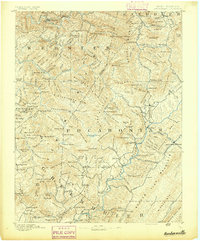 1891 Huntersville1891 Print · USGSPocahontas County in the 1890s is a land of steep ridges and early river settlements before the arrival of modern highways. Researchers can trace ancestral locations along the Greenbrier River, identifying early sites like Hillsboro Academy P.O. and Marlinton.
 - 1892 Map of Beverly
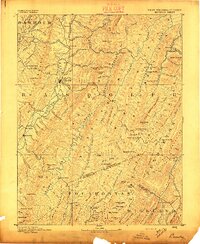 1892 Beverly1892 Print · USGSCentral West Virginia's high-mountain settlements and disputed county lines are captured here in the late nineteenth century. Genealogists and historians can trace family locations and early industry near Beverly, Huttonsville, and the remote Days Mills.5 unique versions available
 - 1894 Map of Huntersville
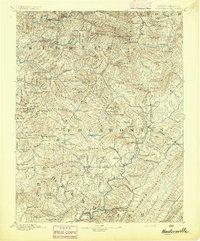 1894 Huntersville1894 Print · USGSPocahontas and Webster counties are captured in the late nineteenth century as a network of mountain settlements and river headwaters. Researchers can trace old mountain homesteads and community sites like Hillsboro Academy, Hunter Place, and Aylmer.5 unique versions available
 - 1901 Map of Monterey, 1905 Print
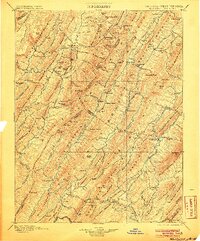 1901 Monterey1905 Print · USGSThe high Allegheny ridges of Highland and Bath Counties are shown at the turn of the century when isolated valley settlements were linked by winding mountain gaps. Genealogists can trace early homesteads and commerce centers like Cleeks Mills, Mountaingrove, and New Hampden.8 unique versions available
 - 1915 Map of Webster Springs
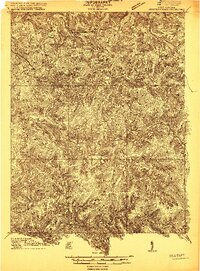 1915 Webster Springs1915 Print · USGSWebster County at the start of the Great War was a landscape of high ridges and deep river valleys. Genealogists and historians can trace old homesteads and mountain schoolhouses like Redoak School and Cherry Falls School along the banks of the Elk River.3 unique versions available
 - 1918 Map of Webster Springs
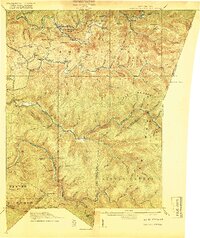 1918 Webster Springs1918 Print · USGSThe West Virginia highlands are shown in detail during the height of the early twentieth-century timber boom. Researchers can trace historic transport lines like the Virginia and West Virginia RR and locate early community centers like Webster Springs (Addison) and St. Michael School.4 unique versions available
 - 1922 Map of Spruce Knob
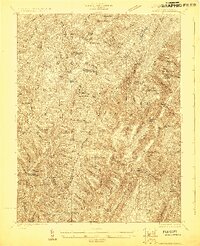 1922 Spruce Knob1922 Print · USGSThe Potomac Highlands are seen here in the early 1920s, a period defined by small mountain gaps and high-altitude settlements. Researchers can trace rural life through dozens of sites like Osceola Po, Winterburn Station, and the isolated Ridge Church.3 unique versions available
 - 1922 Map of Cass
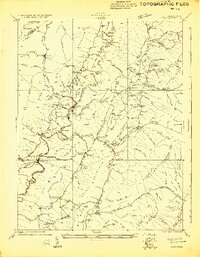 1922 Cass1922 Print · USGSThe West Virginia highlands are shown here in the 1920s as a bustling corridor of mountain rail and timber industry. Genealogists can trace family roots through numerous country landmarks like Wanless Church, McLaughlin School, and the remote rail town of Spruce.4 unique versions available
 - 1922 Map of Durbin
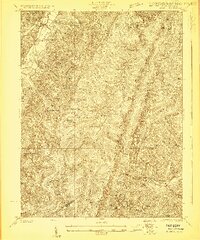 1922 Durbin1922 Print · USGSHigh mountain passes and rail hubs near the Pocahontas county line are captured here in the early twenties. Genealogists and historians can trace family locations through numerous rural schools like Riffle Creek School and the remote Cheat Bridge settlement.4 unique versions available
 - 1923 Map of Lobelia
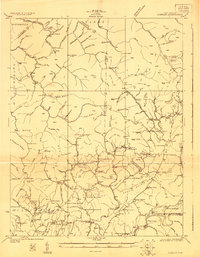 1923 Lobelia1923 Print · USGSGreenbrier and Pocahontas Counties are shown in the early 1920s as mountain farming and timber harvesting shaped the landscape. Researchers can trace dozens of rural institutions, from Ellis Chapel and Band of Hope Church to remote schools like West Droop School.2 unique versions available
 - 1923 Map of Marlinton
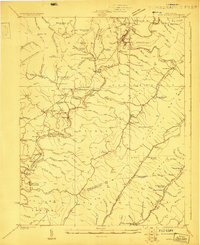 1923 Marlinton1923 Print · USGSPocahontas County at the start of the twenties shows a landscape defined by the timber industry and the winding Greenbrier River. Genealogists can trace family names through dozens of rural landmarks, including Grimes School, Hefners School, and May Chapel.6 unique versions available
 - 1923 Map of Warm Springs
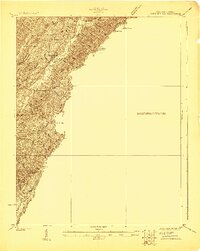 1923 Warm Springs1923 Print · USGSThe mountain border between West Virginia and Virginia comes into focus in the early 1920s, revealing a landscape of remote mountain gaps and hollows. Researchers can locate numerous local landmarks like Minnehaha Springs, Mt Carmel Church, and the Circle Hill School.2 unique versions available
 - 1923 Map of Mingo
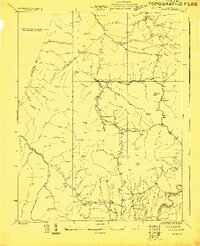 1923 Mingo1923 Print · USGSThe West Virginia highlands are shown in detail during the early twenties, highlighting the region's timber-driven economy and remote mountain enclaves. Genealogists can locate family-named schools and churches like Hannah School, Marys Chapel, and West Union Church along the winding Lumber RR.2 unique versions available
 - 1924 Map of Cass
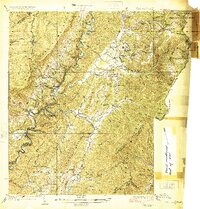 1924 Cass1924 Print · USGSPocahontas County was a mountain landscape of timber and rail in the early 1920s, dominated by the Greenbrier River valley. Genealogists can locate family landmarks like Dilleys Mill, Hevener Church, and numerous schools including the Pine Grove School.3 unique versions available
 - 1924 Map of Durbin
 1924 Durbin1924 Print · USGSRandolph and Pocahontas counties appear here in the early twenties, during a period of heavy timber railroading and mountain settlement. Researchers can locate vanished landmarks like Burner Settlement, the high crossing at Cheat Bridge, and numerous rural schools like Lee Bell School.4 unique versions available
 - 1924 Map of Spruce Knob
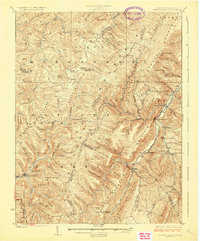 1924 Spruce Knob1924 Print · USGSThe Allegheny high country comes alive in the mid-twenties, centered on the heights of Spruce Knob and the North Fork River. Genealogists can trace family footprints at Osceola PO, Rexrode, and numerous mountain schools like Stark School.2 unique versions available
 - 1925 Map of Mingo
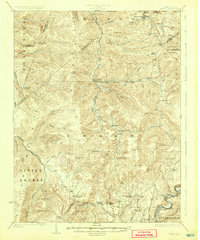 1925 Mingo1925 Print · USGSPocahontas County at the headwaters of the Greenbrier is seen here in the mid-twenties, a landscape of high ridges and isolated mountain valleys. Researchers can locate dozens of early rural schools like Yewglade School and churches such as Marys Chapel or Poage Chapel.4 unique versions available
 - 1925 Map of Marlinton
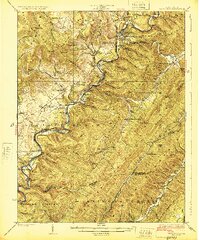 1925 Marlinton1925 Print · USGSMarlinton and the Greenbrier River valley are captured in the mid-twenties, showing a landscape defined by the Chesapeake and Ohio railroad. Genealogy researchers can locate family landmarks like Locust PO, Trinity Church, and many rural schools.3 unique versions available
 - 1925 Map of Lobelia
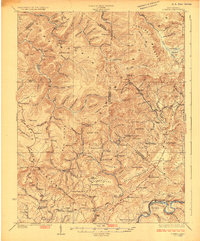 1925 Lobelia1925 Print · USGSThe mountains and wetlands of Greenbrier County are captured here in the mid-1920s, showing a landscape of high ridges and rural valley settlements. Trace old family sites and mountain outposts like Lobelia, Trout Valley, and the Cranberry Glades.2 unique versions available
 - 1926 Map of Warm Springs
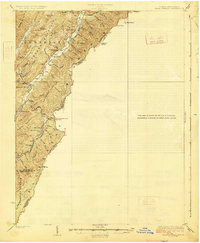 1926 Warm Springs1926 Print · USGSThe West Virginia and Virginia borderlands come alive in this mid-1920s survey of the high Alleghenies. Researchers can trace rural life through landmarks like Minnehaha Springs, Westminster Church, and schools at Rimel and Sunset.5 unique versions available
 - 1930 Map of Mountain Grove
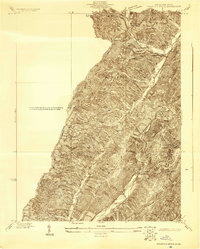 1930 Mountain Grove1930 Print · USGSThe Virginia and West Virginia borderlands in the late 1920s are captured here during a time of isolated mountain settlements and river-bottom farming. Genealogists can trace family footprints through the numerous named hollows and crossings like Mcclintic Bridge, Mountain Grove, and Mooretown.
 - 1933 Map of Mountain Grove
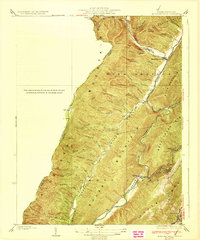 1933 Mountain Grove1933 Print · USGSBath County's high ridges and river valleys are captured here in the early 1930s as a network of mountain hollows and small settlements. Genealogists and local historians can locate Mooretown, trace the namesake Mountain Grove, and find the Mailbox Sch and Eden Ch.3 unique versions available
 - 1935 Map of Lobelia, 1959 Print
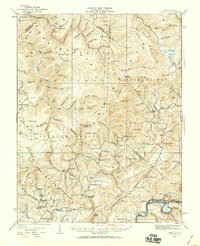 1935 Lobelia1959 Print · USGSThe Greenbrier County backcountry is shown in the mid-1930s, just as the regional forest service infrastructure was expanding. Genealogists and historians can trace numerous rural schoolhouses and churches, from Beulah Church to the Baldwin School and the remote Trout PO.2 unique versions available
 - 1939 Map of Lobelia
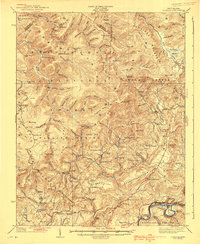 1939 Lobelia1939 Print · USGSGreenbrier and Pocahontas counties appear here in the years before the war, characterized by high mountain plateaus and a dense network of rural schoolhouses. Researchers can trace family roots through sites like Rockcamp Cem, Bethel Church, and the Trout Valley Trout Post Office.2 unique versions available
Showing maps 1-25 of 238
Top cities of Pocahontas County
Frequently asked questions
- What are the different types of historical maps available for Pocahontas County?
- What is the oldest map of Pocahontas County?
- Where can I purchase historical maps of Pocahontas County for my home or office?
- Where can I download high-res historical maps of Pocahontas County?
- Are there historical topographic maps available for Pocahontas County?
- Is there historical aerial imagery available for Pocahontas County?
- Where are historical maps of Pocahontas County sourced from?