Old Maps of Tripp, West Virginia for Academic Research
Study the evolution of Tripp with 18 high-resolution historic maps. Whether you're teaching, researching, or modeling changes in land use, these maps provide essential visual documentation of urban, environmental, and geographic change.
- Analyze long-term change: Track patterns in development, transportation, and natural features.
- Ideal for environmental or urban studies: Support academic projects with primary historical map data.
- Use in the classroom or lab: Educators and researchers rely on these maps to bring historical context to life.
These maps are a powerful tool for teaching, research, and visualizing how Tripp has changed over the decades.
Tripp, WV maps
(18)- 1887 Map of Warfield
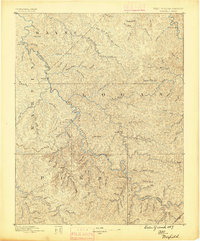 1887 Warfield1887 Print · USGSThe West Virginia and Kentucky borderlands come into focus in the late nineteenth century along the winding Tug Fork of Big Sandy River. Genealogists and historians can trace early valley life through sites like Warfield, Chapmansville, and the remote White Post settlement.
 - 1891 Map of Warfield
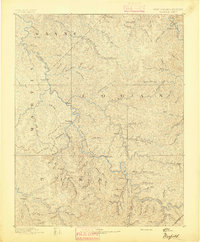 1891 Warfield1891 Print · USGSThe Tug Fork valley in the 1880s is captured here at the intersection of Kentucky and West Virginia. Researchers can trace the early Appalachian landscape through riverfront settlements like Warfield and White Post, or find family-named hubs such as Hatfield and Mate.7 unique versions available
 - 1910 Map of Naugatuck
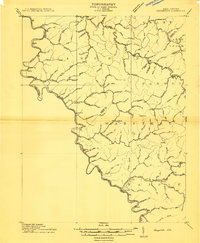 1910 Naugatuck1910 Print · USGSMingo and Wayne Counties come into focus in the early twentieth century as the coal and timber industry transformed these hollows. Genealogists and researchers can trace the Norfolk and Western rail line through early settlements like Kermit, Breeden, and Naugatuck.
 - 1912 Map of Naugatuck
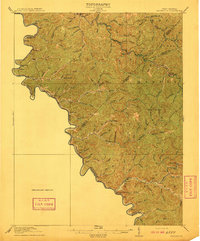 1912 Naugatuck1912 Print · USGSMingo and Wayne County borderlands are shown here in the early twentieth century, as the river-and-rail economy transformed these Appalachian hollows. Genealogists and historians can trace family-named sites along the Tug Fork and Norfolk and Western Ry, including Kermit, Naugatuck, and Breeden.
 - 1915 Map of Naugatuck
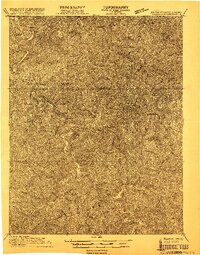 1915 Naugatuck1915 Print · USGSThe Tug Fork valley in the early twentieth century appears in fine detail here along the Kentucky and West Virginia border. Genealogists and historians can trace early settlements and valley schools including Warfield, Naugatuck, and the Priest School.
 - 1917 Map of Naugatuck
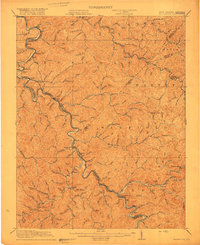 1917 Naugatuck1917 Print · USGSThe Tug Fork borderlands of Mingo and Wayne counties were defined by the rail-and-river economy during the early twentieth century. Genealogists and historians can trace riverside settlements like Kermit and Naugatuck, or search for upland landmarks such as Priest School and the Breeden Breading Post Office.3 unique versions available
 - 1926 Map of Naugatuck, 1957 Print
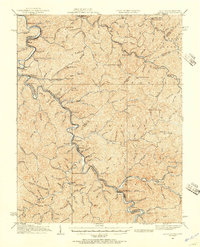 1926 Naugatuck1957 Print · USGSThe Tug Fork valley hums with activity in the 1920s as the rail-and-river economy shapes the West Virginia and Kentucky border. Genealogists and historians can trace numerous rural schools and early settlements like Kermit, Warfield, and the Cassie post office.
 - 1928 Map of Naugatuck
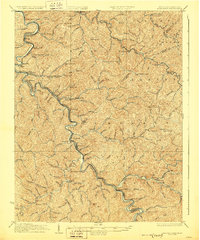 1928 Naugatuck1928 Print · USGSThe Tug Fork valley at the close of the 1920s reveals a landscape defined by the Norfolk and Western RR and riverside coal towns. Genealogists can trace family footprints through remote schoolhouses like The Bend Sch and rural post offices at Cassie Po and Kermit.2 unique versions available
 - 1954 Map of Webb, 1955 Print
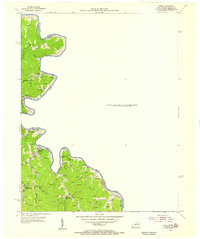 1954 Webb1955 Print · USGSThe Tug Fork borderlands in the mid-fifties reveal a landscape of active energy extraction and tight-knit hollow settlements. Genealogists can trace family footprints through sites like Salmons Cem, Baker Gap Sch, and the community at Hode.
 - 1957 Map of Jenkins, 1974 Print
 1957 Jenkins1974 Print · USGSThe Cumberland Plateau in the mid-twentieth century reveals a complex landscape of winding river valleys and deep-seated industry. Genealogists and historians can trace the development of Hazard, Jenkins, and Pikeville alongside extensive Numerous Oil and Gas Fields and the routes of the Chesapeake & Ohio Railway.
 - 1960 Map of Jenkins
 1960 Jenkins1960 Print · USGSEastern Kentucky and the West Virginia borderlands are captured at a mid-century peak of the coal and rail era. Trace the industrial corridors of the Chesapeake and Ohio RR through mountain hubs like Hazard and Jenkins.
 - 1963 Map of Webb, 1964 Print
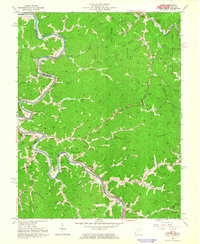 1963 Webb1964 Print · USGSThe Tug Fork valley comes to life in the early sixties, showing the vital link between the Norfolk and Western rail line and river towns. Genealogists can locate family landmarks like Salmons Cem, Thomas Copley Ch, and the Baker Gap Sch.4 unique versions available
 - 1982 Map of Williamson, 1983 Print
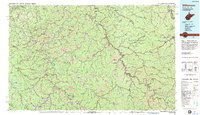 1982 Williamson1983 Print · USGSThe Central Appalachian coalfields of West Virginia and Kentucky come into sharp focus here during the early eighties. Genealogists and researchers can trace the valley rail networks of the Norfolk and Western RR through Matewan, Williamson, and Blackberry City.
 - 2010 Map of Webb, 2010 Print
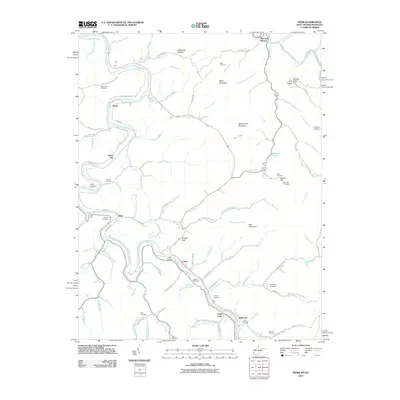 2010 Webb2010 Print · USGSThe West Virginia and Kentucky borderlands come alive in this early 21st-century record of the Tug Fork river valley. Genealogists and local historians can locate numerous family burial grounds like Sammons Cemetery and Chaffin Cemetery near the settlements of Crum and Webb.
 - 2014 Map of Webb, 2014 Print
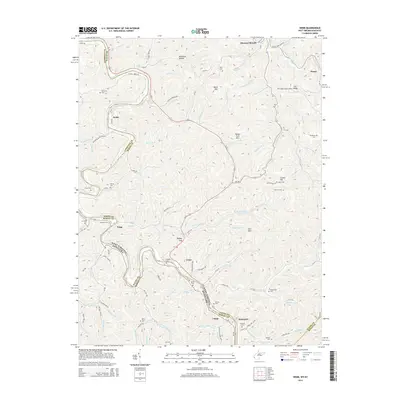 2014 Webb2014 Print · USGSThe Tug Fork valley serves as a bustling corridor for river, rail, and road traffic along the West Virginia and Kentucky border. Genealogists and local historians can trace family burial grounds like Sammons Cem and explore riverside settlements such as Webb and Crum.
 - 2016 Map of Webb, 2016 Print
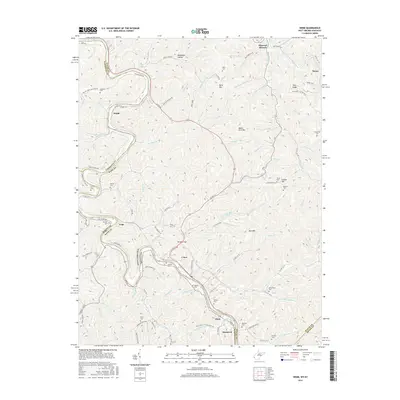 2016 Webb2016 Print · USGSThe Tug Fork valley at the border of West Virginia and Kentucky is a landscape of tight hollows and family homesteads as seen in 2016. Genealogists can trace decades of local lineage through sites like Sammons Cem, Chaffin Cem, and McCoy Cem near Crum.
 - 2019 Map of Webb, 2019 Print
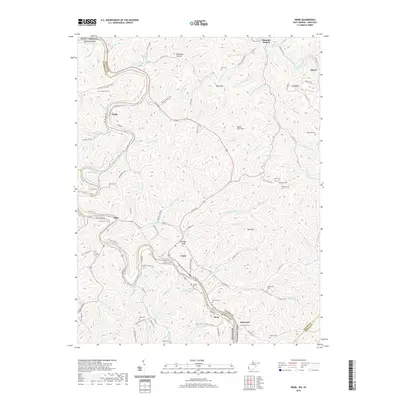 2019 Webb2019 Print · USGSThe West Virginia and Kentucky state line follows the deep bends of the Tug Fork river in this 2019 survey. Researchers can trace numerous family-named landmarks and cemeteries tucked into the hollows, such as McCoy Cem, Stonecoal, and Cotton Hill.
 - 2023 Map of Webb, 2023 Print
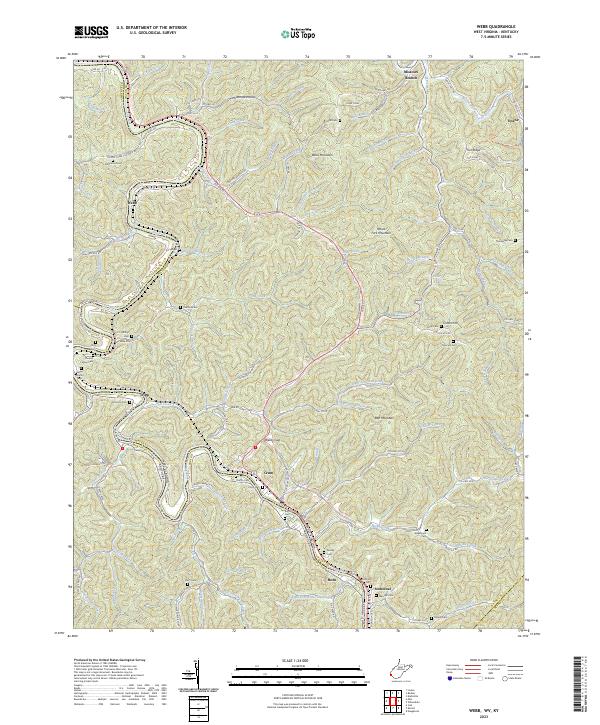 2023 Webb2023 Print · USGSThe Tug Fork valley and the rugged ridges of Wayne County are captured in this recent survey. Local historians can trace family lineage through numerous upland burial sites like Sammons Cem and explore communities at Webb, Crum, and Stonecoal.
End of results
Showing maps 1-18 of 18
Top cities near Tripp
- Prestonsburg historical maps
- Williamson historical maps
- Louisa historical maps
- Fort Gay historical maps
- Chattaroy historical maps
- Inez historical maps
See more
Frequently asked questions
- What are the different types of historical maps available for Tripp?
- What is the oldest map of Tripp?
- Where can I purchase historical maps of Tripp for my home or office?
- Where can I download high-res historical maps of Tripp?
- Are there historical topographic maps available for Tripp?
- Is there historical aerial imagery available for Tripp?
- Where are historical maps of Tripp sourced from?