Old Maps of Modena, Wisconsin for Genealogy
Trace your family roots with 33 historic maps of Modena. These high-res maps reveal old neighborhoods, homesites, landmarks, and streets — helping you uncover where your ancestors lived and how the area evolved over time.
- Explore historic neighborhoods: Identify where your relatives may have lived in the 1800s or 1900s.
- Compare maps over time: Trace the changes in streets, buildings, and landmarks for multi-generational research.
- Perfect for genealogy & ancestry research: Used by family historians and researchers to map out lineage and migration.
These maps are an incredible resource for exploring your personal connection to Modena's past.
Modena, WI maps
(33)- 1929 Map of Durand, 1970 Print
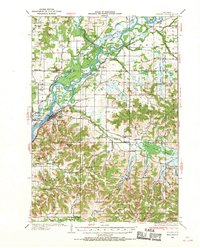 1929 Durand1970 Print · USGSThe Chippewa River valley in the late 1920s reveals a landscape of river-bottom settlements and upland family farms. Genealogists can trace rural roots through numerous schoolhouses like Woods Corner Sch and landmarks like the Meridean Ferry.
 - 1932 Map of Durand
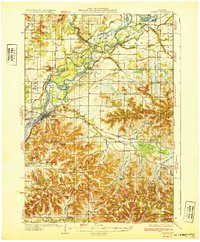 1932 Durand1932 Print · USGSThe Chippewa River valley in the early 1930s is a landscape of complex waterways and bustling rural districts. Genealogists and historians can locate dozens of country schools like Luna Sch and trace the old rail lines serving Durand and Dunnville.2 unique versions available
 - 1932 Map of Alma
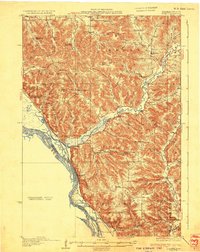 1932 Alma1932 Print · USGSThe river valleys and high ridges of Buffalo County are captured here in the early 1930s, showing a landscape of small farms and rural schoolhouses. Genealogists and local historians can trace the foundations of this community through dozen of school sites like Mill Creek Sch and Cascade Sch, alongside the U S Game Refuge and the rail lines through Alma.2 unique versions available
 - 1950 Map of Alma, 1952 Print
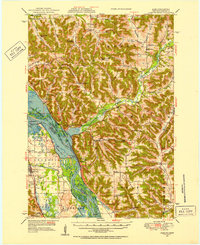 1950 Alma1952 Print · USGSThe Mississippi River valley serves as a bustling corridor for rail and river traffic at mid-century. Genealogists can trace family roots through numerous rural landmarks like St Paul Ch, Church Valley Cem, and the riverfront town of Alma.8 unique versions available
 - 1953 Map of Eau Claire, 1965 Print
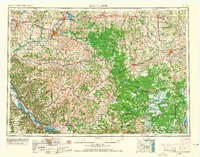 1953 Eau Claire1965 Print · USGSWest-central Wisconsin in the mid-fifties shows a landscape of river-valley industry and vast wildlife refuges during the transition from rails to modern highways. Genealogists and historians can trace the rail corridors of the Chicago and North Western or locate family-named landmarks like Decorah Mound and Chippewa Island.4 unique versions available
 - 1958 Map of Eau Claire
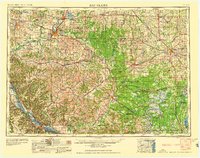 1958 Eau Claire1958 Print · USGSWestern Wisconsin in the late fifties shows a landscape of growing regional hubs and massive wildlife refuges. Trace the rail lines of the Chicago and North Western between Eau Claire and Marshfield, or explore the terrain around Iron Mound and Lake Wissota.
 - 1964 Map of Eau Claire
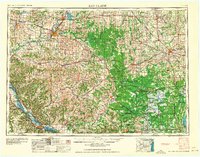 1964 Eau Claire1964 Print · USGSWest-central Wisconsin in the mid-1960s was a hub of river-driven industry and expanding rail networks. Researchers can trace historic homesteads near Menomonie, follow the Soo Line RR through Marshfield, or explore the grounds of the Camp McCoy Military Reservation.
 - 1972 Map of Tarrant, 1975 Print
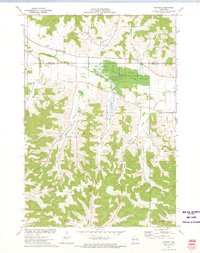 1972 Tarrant1975 Print · USGSBuffalo County in the early seventies is a landscape of deeply carved valleys and conservation land. Genealogists and local historians can locate rural landmarks like Sacred Heart Cem, Tiffany Sch, and the small settlement of Tarrant.
 - 1972 Map of Durand South, 1975 Print
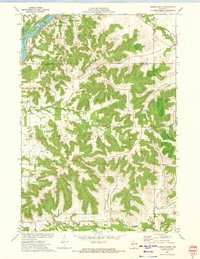 1972 Durand South1975 Print · USGSThe river and rail corridor of the Chippewa River meets the rugged bluff country of Buffalo County during the early 1970s. Researchers can trace the path of the Chicago Milwaukee St Paul and Pacific RR or locate family sites at St Mary Cem and North Branch Cem.2 unique versions available
 - 1974 Map of Modena, 1977 Print
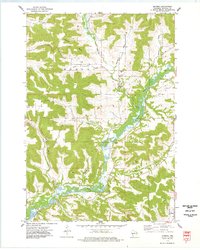 1974 Modena1977 Print · USGSThe Buffalo River valley and its many winding coulees define this mid-1970s survey of rural Buffalo County. Genealogists and researchers can trace family lands near Modena, Tell, and Praag, or locate landmarks like St Paul Ch and Modena Cem.
 - 1974 Map of Urne, 1977 Print
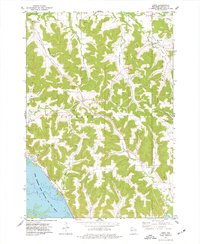 1974 Urne1977 Print · USGSBuffalo County's river bluffs and interior valleys are captured here in the mid-seventies, showing the intersection of rail transport and rural life. Researchers can locate family landmarks like Lyster Ch, Church Valley Cem, and the tracks of the Burlington Northern.
 - 1985 Map of Eau Claire
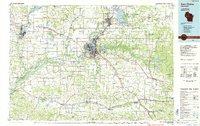 1985 Eau Claire1985 Print · USGSWestern Wisconsin's river valleys and growing mid-century cities are captured here in the mid-eighties. Genealogists and historians can trace the paths of the Chicago and North Western railroad and locate rural landmarks like Dells Millpond and Nine Mile Island.2 unique versions available
 - 1985 Map of Winona
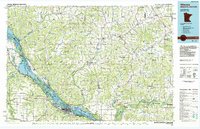 1985 Winona1985 Print · USGSThe Mississippi River valley and the coulees of the Driftless Area are shown here in the mid-1980s as the river's lock-and-dam system was well-established. Researchers can trace the riverfront at Winona, explore the bluffs near Galesville, or locate landmarks like Sugarloaf and Merrick State Park.2 unique versions available
 - 2010 Map of Modena, 2010 Print
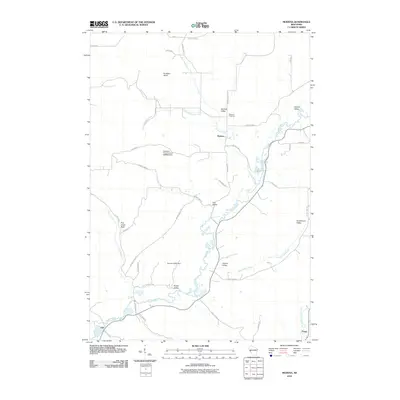 2010 Modena2010 Print · USGSBuffalo County is shown here in the late 2000s, characterized by the winding Buffalo River and its many tributary valleys. Researchers can trace local genealogy and land use through named landmarks like Modena Cemetery, Erickson Bluff, and the settlement of Tell.
 - 2010 Map of Tarrant, 2010 Print
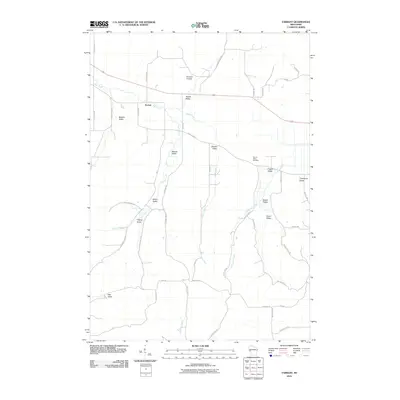 2010 Tarrant2010 Print · USGSThe Driftless Area of West-Central Wisconsin is captured here during the first decade of the millennium, showing a landscape of named coulees and family-settled valleys. Genealogists can trace local roots through Sacred Heart Cemetery and the many family-named landmarks like Brunner Coulee and Prissel Valley.
 - 2010 Map of Durand South, 2010 Print
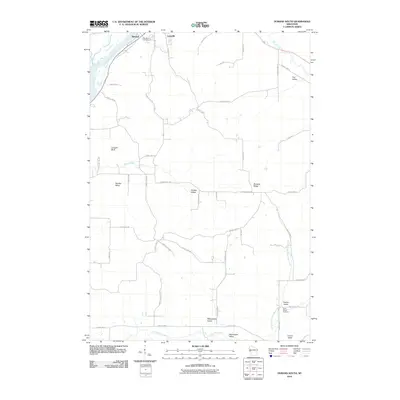 2010 Durand South2010 Print · USGSThe rural landscape south of Durand in the early twenty-first century is defined by the winding Chippewa River and a patchwork of named coulees. Genealogists and local historians can trace family locations near Laneville or find burial sites at Saint Mary Cemetery and North Branch Cemetery.
 - 2010 Map of Urne, 2010 Print
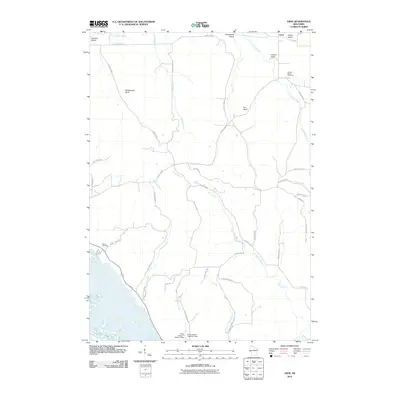 2010 Urne2010 Print · USGSBuffalo County's rugged coulee country is captured here in the early twenty-first century, showcasing the deeply carved valleys and bluffs north of the Mississippi. Researchers can locate family landmarks like Church Valley Cemetery, the settlement of Urne, and Nelson Cemetery.
 - 2013 Map of Modena, 2013 Print
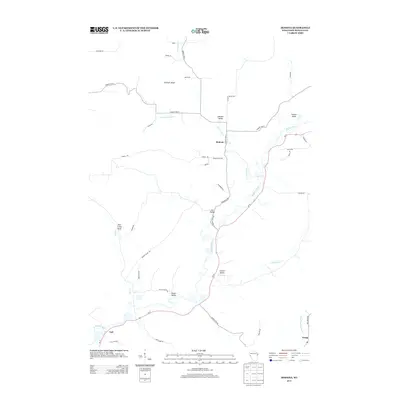 2013 Modena2013 Print · USGSBuffalo County’s rural coulees and river bottoms are documented here in the early twenty-first century. Genealogists and local historians can trace family-named landmarks through German Valley, Erickson Bluff, and the small communities of Modena and Tell.
 - 2013 Map of Tarrant, 2013 Print
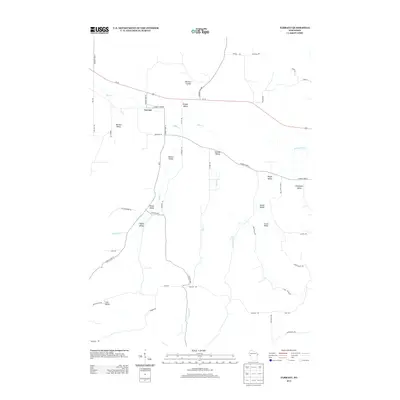 2013 Tarrant2013 Print · USGSThe rural landscapes of Pepin County are captured here in the early twenty-first century, centered on the settlement of Tarrant. Researchers can trace old family holdings through the many named landmarks like Newton Valley, Brunner Coulee, and Steinke Valley.
 - 2013 Map of Durand South, 2013 Print
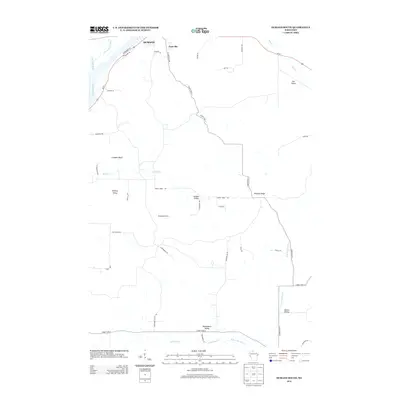 2013 Durand South2013 Print · USGSThe riverfront and rural valleys south of Durand come to life in this early twenty-first-century survey. Genealogists and local historians can trace the landscape from the Chippewa River through family-named landmarks in Stanley Valley and Weisenbeck Valley.
 - 2013 Map of Urne, 2013 Print
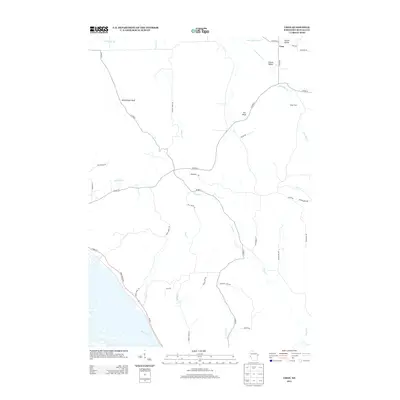 2013 Urne2013 Print · USGSBuffalo County's bluff country is captured here in the early twenty-first century, showing the rural settlement patterns near the Mississippi River. Genealogists and researchers can trace family lands such as Klopp Farm and landmark features like Rattlesnake Bluff and Urne.
 - 2015 Map of Tarrant, 2015 Print
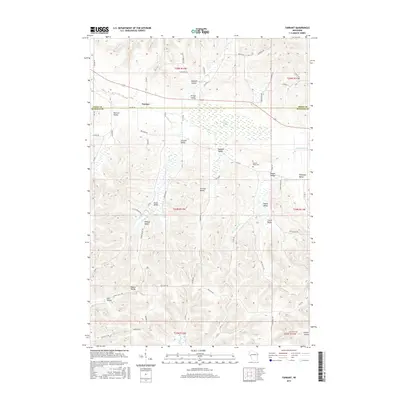 2015 Tarrant2015 Print · USGSThe rural coulee country of Pepin and Buffalo Counties is documented here in the early twenty-first century. Genealogists and historians can trace family landmarks and local sites like Sacred Heart Cem, Tarrant, and the extensive Bear Creek Swamp.
 - 2015 Map of Durand South, 2015 Print
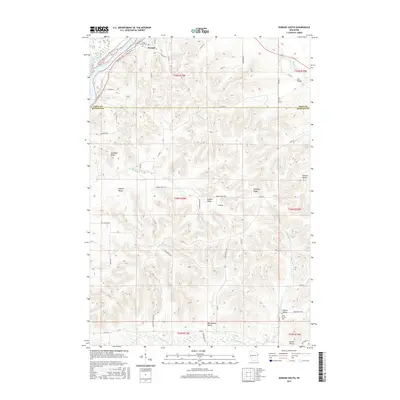 2015 Durand South2015 Print · USGSWisconsin's coulee country south of the Chippewa River is captured here during the mid-2010s. Researchers can trace family roots through the namesake valleys of Golden Valley and Owens Valley or locate burials at Saint Mary Cem.
 - 2015 Map of Modena, 2015 Print
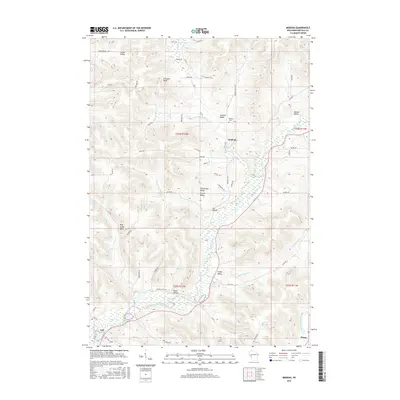 2015 Modena2015 Print · USGSBuffalo County agriculture and river-carved terrain are documented here in the mid-2010s, showing the rural settlements of Modena and Tell. Researchers can locate family landmarks across the landscape, from Erickson Bluff to the many named hollows like French Valley and German Valley.
 - 2015 Map of Urne, 2015 Print
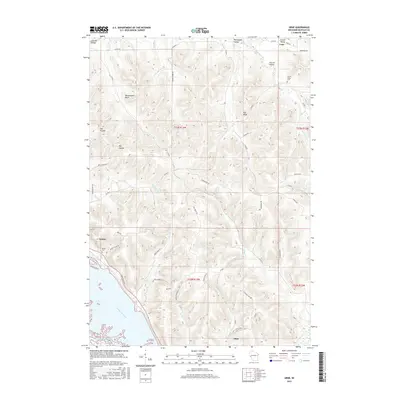 2015 Urne2015 Print · USGSBuffalo County, Wisconsin, is captured here in the mid-2010s, showing the intersection of the Mississippi River bottomlands and the steep bluffs. Researchers can trace family sites at Church Valley Cem or locate old homesteads near Urne and Fox Bluff.
Showing maps 1-25 of 33
Top cities near Modena
- Mondovi historical maps
- Wabasha historical maps
- Red Cedar historical maps
- Durand historical maps
- Buffalo City historical maps
- Eau Galle historical maps
See more
Frequently asked questions
- What are the different types of historical maps available for Modena?
- What is the oldest map of Modena?
- Where can I purchase historical maps of Modena for my home or office?
- Where can I download high-res historical maps of Modena?
- Are there historical topographic maps available for Modena?
- Is there historical aerial imagery available for Modena?
- Where are historical maps of Modena sourced from?