Old Maps of Ruby, Wisconsin for Genealogy
Trace your family roots with 34 historic maps of Ruby. These high-res maps reveal old neighborhoods, homesites, landmarks, and streets — helping you uncover where your ancestors lived and how the area evolved over time.
- Explore historic neighborhoods: Identify where your relatives may have lived in the 1800s or 1900s.
- Compare maps over time: Trace the changes in streets, buildings, and landmarks for multi-generational research.
- Perfect for genealogy & ancestry research: Used by family historians and researchers to map out lineage and migration.
These maps are an incredible resource for exploring your personal connection to Ruby's past.
Ruby, WI maps
(34)- 1947 Map of Sheldon, 1967 Print
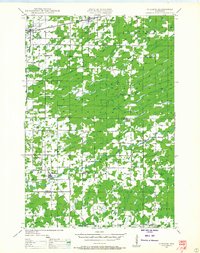 1947 Sheldon1967 Print · USGSRusk and Taylor counties come into focus in the late 1940s, showing a landscape of river-valley settlements and timber management. Genealogists and historians can locate dozens of country schools and churches, from Sheldon to the Mt Nebo Cem and Hannibal.
 - 1948 Map of Ladysmith, 1967 Print
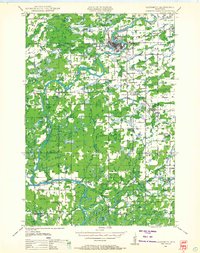 1948 Ladysmith1967 Print · USGSRusk County and the Flambeau River are captured here in the late 1940s as a thriving hub of rail, timber, and water power. Researchers can locate numerous vanished country schools like Grant Center Sch and trace early river control at the Port Arthur Dam and Thornapple Dam.
 - 1949 Map of Sheldon
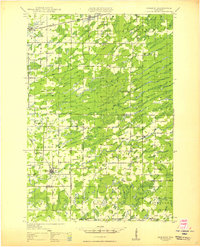 1949 Sheldon1949 Print · USGSRusk and Taylor counties come into focus during the late 1940s, showing a landscape defined by small rail towns and scattered district schools. You can locate family-named landmarks like Baughman School or trace the early paths of the Jump River and Main Creek.
 - 1950 Map of Ladysmith
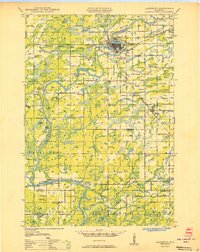 1950 Ladysmith1950 Print · USGSMid-century Rusk County centers on the busy rail junction and riverfront of Ladysmith just as the regional flowages were being established. Researchers can locate dozens of rural schools and churches, including Meadow Brook Sch, St Francis Ch, and the Thornapple Dam.
 - 1951 Map of Cornell, 1953 Print
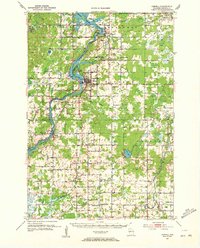 1951 Cornell1953 Print · USGSCentral Chippewa County in the early fifties shows a landscape of river-driven industry and rural community life. Genealogists can trace family roots at Bohemia Cem or St Joseph Cem, and locate numerous schools like Firth Sch (Aband).
 - 1951 Map of Gilman, 1969 Print
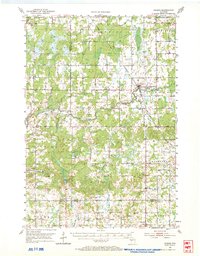 1951 Gilman1969 Print · USGSTaylor and Clark counties are captured here in the early fifties, showing a rural landscape defined by the Yellow River and the Soo Line railroad. Genealogists can locate numerous landmarks including the Russian Ch, Meadowbrook Cem, and the Sunnyview Sch.
 - 1953 Map of Rice Lake, 1967 Print
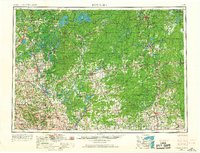 1953 Rice Lake1967 Print · USGSNorthwest Wisconsin during the mid-fifties reveals a landscape defined by timber, rail, and water. Genealogists and historians can trace the development of river towns like Ladysmith and Rice Lake along the Soo Line and Chicago and North Western railroads.2 unique versions available
 - 1959 Map of Rice Lake
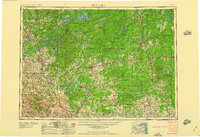 1959 Rice Lake1959 Print · USGSNorthwest Wisconsin in the late fifties was a land of expanding road networks and deep-seated timber history. Genealogists and historians can trace rail lines like the Soo Line RR and Chicago St Paul Minneapolis and Omaha Ry as they link settlements from Spooner to Medford.
 - 1971 Map of Ladysmith SE, 1974 Print
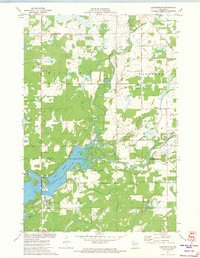 1971 Ladysmith SE1974 Print · USGSThe Jump River valley underwent significant change in the early seventies following the Holcombe power project. Trace the new shoreline of the Jump River Flowage and locate landmarks like the Willard Sch Townhall and Paradise Point.
 - 1971 Map of Sheldon, 1974 Print
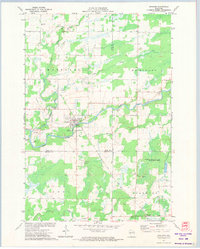 1971 Sheldon1974 Print · USGSSheldon and Donald are shown in the early 1970s at the junction of the Jump and Little Jump Rivers. Local researchers can trace community landmarks like the Mennonite Ch, the Fairground, and the path of the SOO LINE RAILROAD.
 - 1973 Map of Ruby, 1976 Print
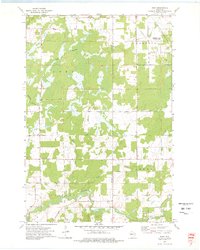 1973 Ruby1976 Print · USGSChippewa and Taylor counties in the early 1970s reveal a landscape of vast wetlands and managed wilderness. Genealogists and local historians can locate the Yellow River Cem and St Johns Ch near the banks of the Yellow River.
 - 1973 Map of Holcombe, 1976 Print
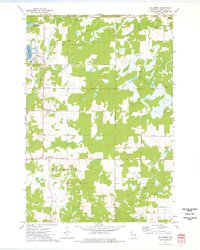 1973 Holcombe1976 Print · USGSThe Holcombe area and the eastern Chippewa River valley are captured here in the early 1970s. Researchers can trace family sites at Estella Cem, follow the Old Railroad Grade, or locate landmarks like the Martle Ch.
 - 1980 Map of Bloomer
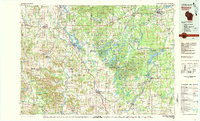 1980 Bloomer1980 Print · USGSNorthwestern Wisconsin at the start of the eighties shows a landscape deeply connected to its rivers and rail lines. Genealogists and historians can trace the growth of Bloomer, Ladysmith, and Chetek or locate local landmarks like Brunet Island State Park and the Soo Line rail corridors.
 - 1980 Map of Medford
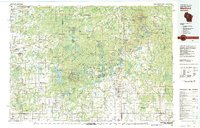 1980 Medford1980 Print · USGSNorth-central Wisconsin in the early eighties shows a landscape of dense timber and rail-linked settlements. Genealogists and historians can trace the Soo Line through towns like Medford and Westboro or locate family homesteads near Perkinstown and Athens.
 - 2010 Map of Ladysmith SE, 2010 Print
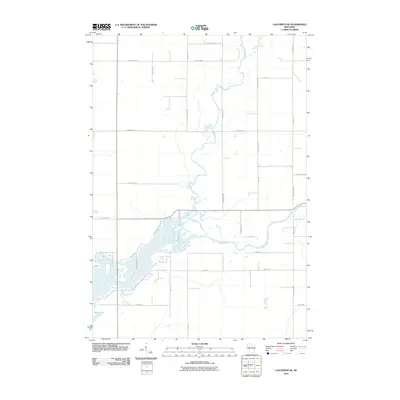 2010 Ladysmith SE2010 Print · USGSThe rural border of Rusk and Chippewa counties is captured here in the early twenty-first century, centered on the wetlands of the Jump River. Researchers can trace old family land plots along Homestead Rd or explore the drainage of Main Creek.
 - 2010 Map of Holcombe, 2010 Print
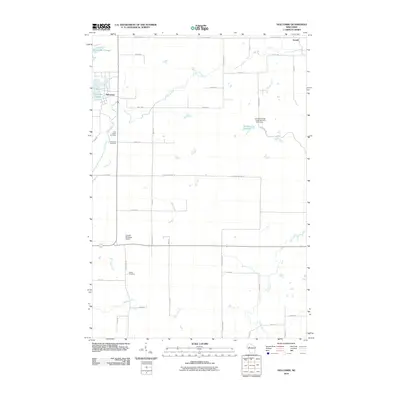 2010 Holcombe2010 Print · USGSUpper Chippewa County in the early twenty-first century is defined by its expansive waterways and rural townships. Genealogists and researchers can locate Saint Joseph Cemetery, trace the banks of Holcombe Flowage, and find the small settlement of Arnold.
 - 2010 Map of Ruby, 2010 Print
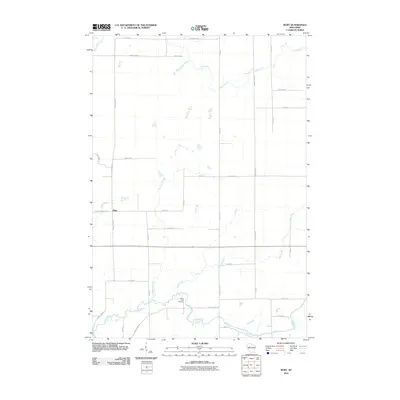 2010 Ruby2010 Print · USGSChippewa County is documented here at the turn of the twenty-first century, showcasing the rural settlement of Ruby and the winding Yellow River. Local researchers can locate the Yellow River Cemetery or trace the drainage of Fisher River and Christmas Creek.
 - 2010 Map of Sheldon, 2010 Print
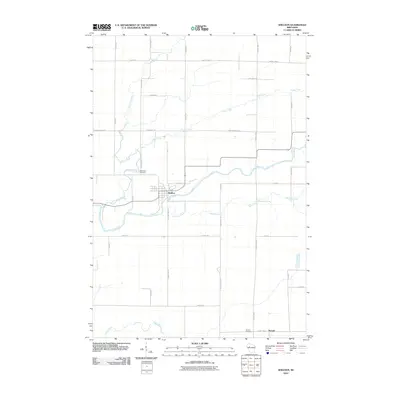 2010 Sheldon2010 Print · USGSThe village of Sheldon and the rural community of Donald are captured in this 2010 study of the Wisconsin river country. Genealogists and local researchers can trace family landmarks like Woodlawn Cemetery and the course of the Jump River.
 - 2013 Map of Ruby, 2013 Print
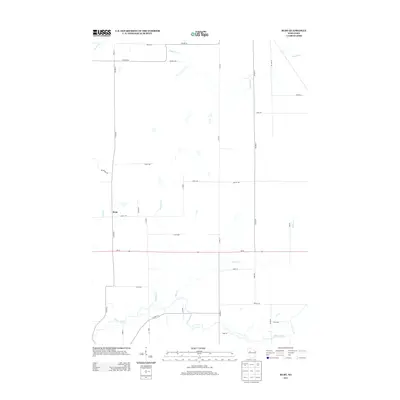 2013 Ruby2013 Print · USGSThis part of Chippewa County is seen here in the early twenty-first century, characterized by its winding river systems and rural crossroads. Local historians and genealogists can trace the paths of the Yellow River and Fisher River or locate family lands near Ruby and Christmas Cr.
 - 2013 Map of Sheldon, 2013 Print
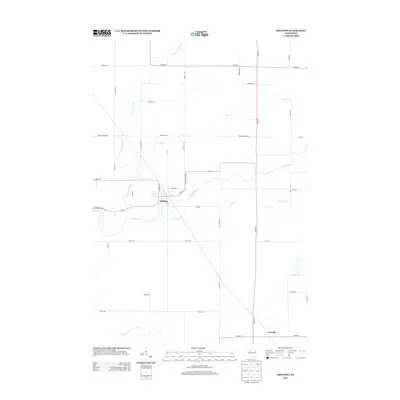 2013 Sheldon2013 Print · USGSUpper Wisconsin river life and rural settlement come into focus here in the early twenty-first century. Genealogists and local historians can trace the development of Sheldon near the banks of the Jump River and locate family landmarks along Cemetery Rd.
 - 2013 Map of Holcombe, 2013 Print
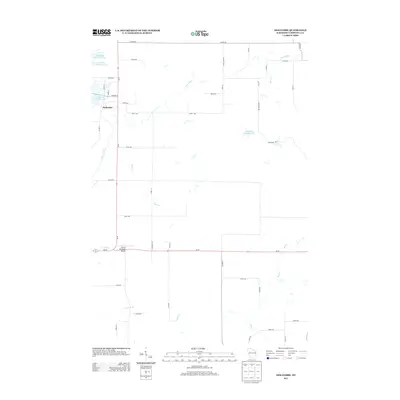 2013 Holcombe2013 Print · USGSUpper Chippewa County appears here in the early 2010s, centered on the waterfront community of Holcombe. Researchers can trace local landmarks like the Cornell Municipal Airport and follow the intricate paths of the Fisher River and Hay Cr.
 - 2013 Map of Ladysmith SE, 2013 Print
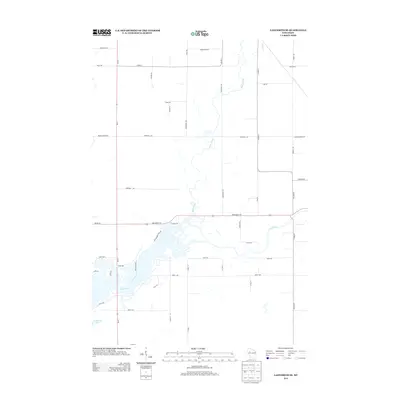 2013 Ladysmith SE2013 Print · USGSNear the border of Rusk and Chippewa Counties in the 2010s, this area centers on the winding Jump River and its rural wetlands. Researchers can trace land use around Roedecker Lake or follow the path of Main Creek through the local road grid.
 - 2015 Map of Sheldon, 2015 Print
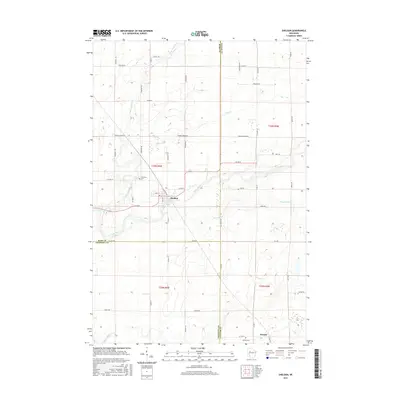 2015 Sheldon2015 Print · USGSUpper Wisconsin river country comes into focus in this modern survey of the Sheldon and Donald areas. Genealogists and local historians can trace property lines near Woodlawn Cem or follow the winding courses of the Jump River and Little Jump River.
 - 2015 Map of Ruby, 2015 Print
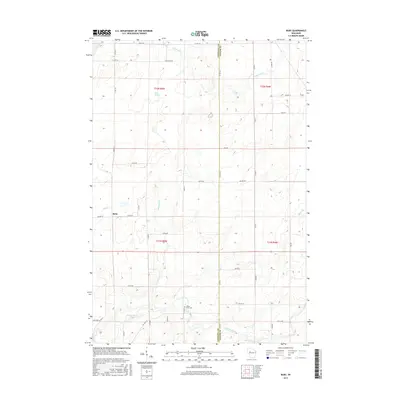 2015 Ruby2015 Print · USGSChippewa and Taylor counties are depicted here in the mid-2010s, showing a landscape of deep swamps and winding rivers. Genealogists and local historians can locate the Yellow River Cemetery and trace the rural settlement of Ruby near Christmas Creek.
 - 2015 Map of Holcombe, 2015 Print
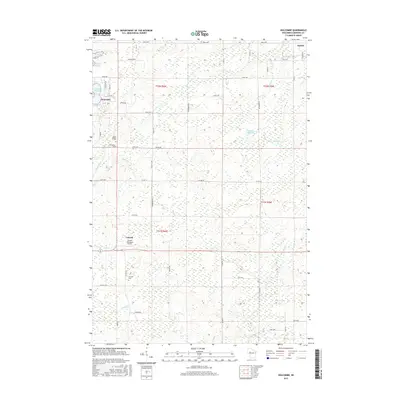 2015 Holcombe2015 Print · USGSChippewa County settlements and waterways are captured here during the mid-2010s, showing the intersection of rural life and the Fisher River. Family researchers can pinpoint Saint Joseph Cem or Estella Cem and trace roads like Rufledt Rd near Cornell.
Showing maps 1-25 of 34
Top cities near Ruby
- Ladysmith historical maps
- Eagle Point historical maps
- Anson historical maps
- Cornell historical maps
- Thornapple historical maps
- Colburn historical maps
See more
Top neighborhoods of Ruby
Frequently asked questions
- What are the different types of historical maps available for Ruby?
- What is the oldest map of Ruby?
- Where can I purchase historical maps of Ruby for my home or office?
- Where can I download high-res historical maps of Ruby?
- Are there historical topographic maps available for Ruby?
- Is there historical aerial imagery available for Ruby?
- Where are historical maps of Ruby sourced from?