Old Maps of Menomonie, Wisconsin for Hiking & Exploration
Hike through history with 36 historic maps of Menomonie. Explore old trails, ghost towns, and forgotten backroads — perfect for outdoor adventurers and local explorers.
- Rediscover forgotten places: Map out old mining camps, roads, and footpaths that no longer exist on modern maps.
- Layer with modern tools: Combine with LiDAR or satellite views to plan hikes through historical terrain.
- Made for exploration: Popular among hikers, overlanders, and local history lovers.
Use these maps to find adventure and explore the hidden past of Menomonie.
Menomonie, WI maps
(36)- 1940 Map of Menomonie, 1965 Print
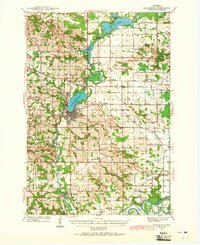 1940 Menomonie1965 Print · USGSDunn County in the early 1940s is a landscape of established river towns and a dense network of country schoolhouses. Genealogists can trace family roots through sites like Beyer Settlement Sch, Ideal Cem, and the County Asylum.2 unique versions available
 - 1942 Map of Menomonie
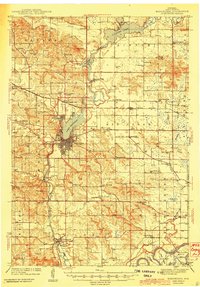 1942 Menomonie1942 Print · USGSDunn County at the start of the 1940s reveals a region of thriving river towns and closely knit rural school districts. Genealogists can trace family roots through numerous country schools like Knapp Settlement School and local burial grounds such as Sherman Cem.
 - 1946 Map of Knapp, 1967 Print
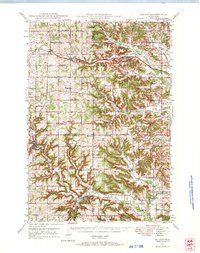 1946 Knapp1967 Print · USGSThe borderlands of St. Croix, Pierce, and Dunn Counties come to life in this mid-century survey of the Wisconsin dairy country. Genealogists can locate dozens of country schools like Broadview Sch and Denver Sch, as well as the Dunkard Ch and Teegarden Cem.
 - 1949 Map of Knapp
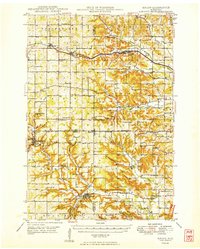 1949 Knapp1949 Print · USGSDunn, St. Croix, and Pierce counties come together in the late 1940s, showing a landscape defined by small-scale farming and the rail corridor. Genealogists can locate dozens of country schools and churches like Wilson Ch, East Hill Sch, and Hatchville Ch.
 - 1953 Map of Saint Paul, 1964 Print
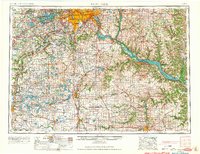 1953 Saint Paul1964 Print · USGSThe Twin Cities and the Mississippi River valley are captured here at a mid-century turning point. Trace the early growth of Minneapolis and Saint Paul alongside landmarks like Lake Minnetonka and the St Croix River.4 unique versions available
 - 1953 Map of Eau Claire, 1965 Print
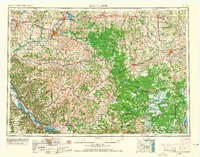 1953 Eau Claire1965 Print · USGSWest-central Wisconsin in the mid-fifties shows a landscape of river-valley industry and vast wildlife refuges during the transition from rails to modern highways. Genealogists and historians can trace the rail corridors of the Chicago and North Western or locate family-named landmarks like Decorah Mound and Chippewa Island.4 unique versions available
 - 1958 Map of Eau Claire
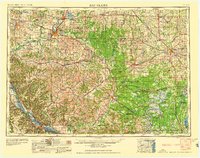 1958 Eau Claire1958 Print · USGSWestern Wisconsin in the late fifties shows a landscape of growing regional hubs and massive wildlife refuges. Trace the rail lines of the Chicago and North Western between Eau Claire and Marshfield, or explore the terrain around Iron Mound and Lake Wissota.
 - 1959 Map of Saint Paul
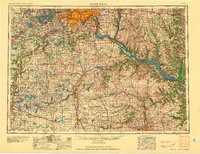 1959 Saint Paul1959 Print · USGSThe Twin Cities and southeastern Minnesota appear here in the late fifties, showing the peak of the rail era and post-war suburban growth. Genealogists can trace family footprints near Lake Minnetonka, the Univ Of Minn Rosemount Research Center, or the growing neighborhoods of Richfield.2 unique versions available
 - 1964 Map of Eau Claire
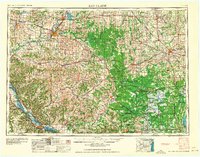 1964 Eau Claire1964 Print · USGSWest-central Wisconsin in the mid-1960s was a hub of river-driven industry and expanding rail networks. Researchers can trace historic homesteads near Menomonie, follow the Soo Line RR through Marshfield, or explore the grounds of the Camp McCoy Military Reservation.
 - 1972 Map of Menomonie North, 1975 Print
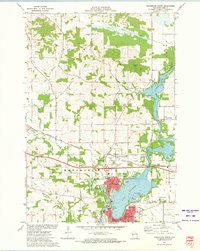 1972 Menomonie North1975 Print · USGSDunn County in the early seventies shows a landscape of expanding university life and river-based industry. Locate family roots at Sherman Cem, trace the railroad to Menomonie Junction, or study the grounds of Stout State Univ.
 - 1972 Map of Menomonie South, 1975 Print
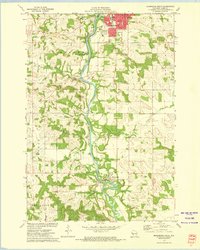 1972 Menomonie South1975 Print · USGSDunn County at the start of the 1970s shows a landscape shaped by the Red Cedar River and the Milwaukee Road rail line. Genealogists and local historians can locate many rural cemeteries like Grandview Cem or explore the early campus of Stout State Univ.2 unique versions available
 - 1974 Map of Weston, 1977 Print
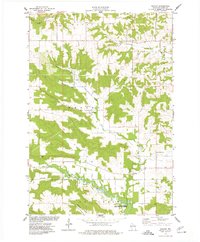 1974 Weston1977 Print · USGSDunn County farmland and the Eau Galle watershed are captured in the mid-seventies, showing a landscape of small rural hubs and active conservation. Researchers can locate local burial sites like Lower Weston Cem and trace old roads near Weston and the Fish Hatchery.
 - 1974 Map of Knapp, 1977 Print
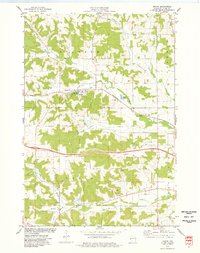 1974 Knapp1977 Print · USGSDunn County farmland and wooded hills surround Knapp in the mid-1970s as the rail line still shapes the local landscape. Genealogists can trace rural roots through family-named landmarks like Teegarden Cem, Mamre Cem, and the Lucas Sch.
 - 1985 Map of Hastings
 1985 Hastings1985 Print · USGSThe river valleys of the St. Croix and Mississippi dominate this mid-eighties landscape as they border Minnesota and Wisconsin. You can trace the boundaries of the Prairie Island Indian Res, find the old rail alignments of the SOO LINE, and locate remote bluffs like Rattlesnake Point.
 - 1985 Map of Eau Claire
 1985 Eau Claire1985 Print · USGSWestern Wisconsin's river valleys and growing mid-century cities are captured here in the mid-eighties. Genealogists and historians can trace the paths of the Chicago and North Western railroad and locate rural landmarks like Dells Millpond and Nine Mile Island.2 unique versions available
 - 1990 Map of Hastings, 1991 Print
 1990 Hastings1991 Print · USGSThe river confluence at Hastings and Prescott is captured here in the final decade of the twentieth century, showing a landscape defined by the Mississippi River and St Croix River. Genealogists and historians can trace rail corridors like the Soo RR and find smaller settlements such as Miesville, Wacouta, and Diamond Bluff.
 - 2010 Map of Weston, 2010 Print
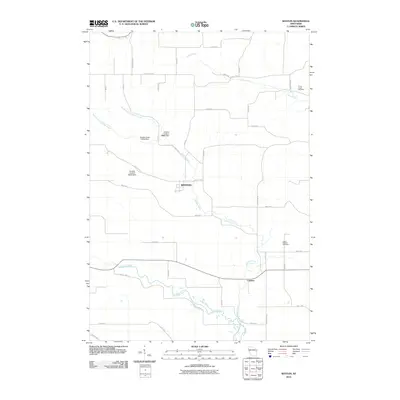 2010 Weston2010 Print · USGSDunn County at the start of the 2010s reveals a landscape of managed waterways and rural crossroads. Genealogists can locate family sites near Irving Creek Cemetery or trace the winding Eau Galle River past Weston and Comfort.
 - 2010 Map of Knapp, 2010 Print
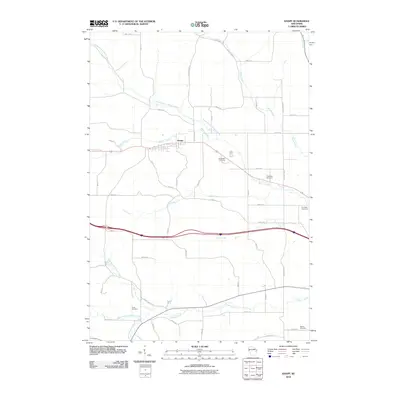 2010 Knapp2010 Print · USGSKnapp and the surrounding Dunn County countryside are captured here in the early twenty-first century, showcasing a landscape defined by its many creek branches. Researchers can pinpoint several local burial sites including Forest Hill, Teegarden Cemetery, and Mamre Cemetery.
 - 2010 Map of Menomonie North, 2010 Print
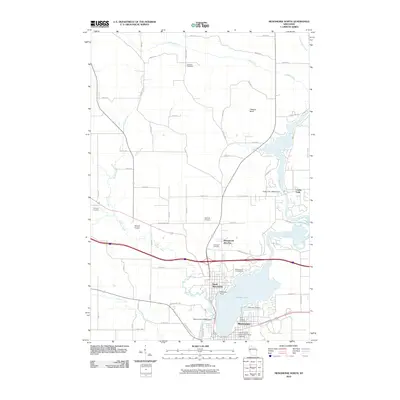 2010 Menomonie North2010 Print · USGSDunn County at the start of the 2010s shows a landscape shaped by the Red Cedar River and the growth of the university. Trace local history at the University of Wisconsin - Stout Campus or locate family plots at Evergreen Cemetery and Tramway Cemetery.
 - 2010 Map of Menomonie South, 2010 Print
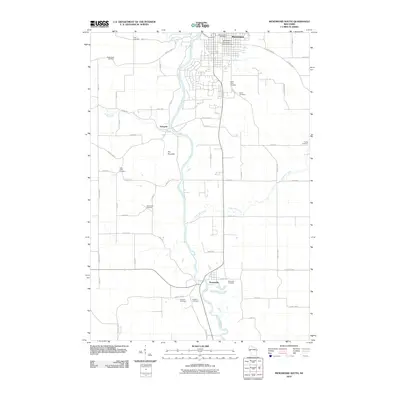 2010 Menomonie South2010 Print · USGSThe Red Cedar River valley south of Menomonie was a well-settled agricultural corridor by the early twenty-first century. Genealogists can trace local family history through numerous sites like Ford Cemetery, Saint Johns Cemetery, and Grandview Cemetery.
 - 2013 Map of Knapp, 2013 Print
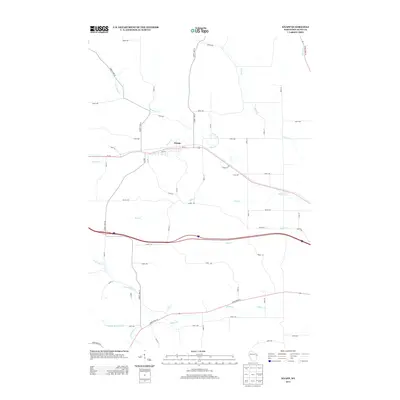 2013 Knapp2013 Print · USGSKnapp and the surrounding Dunn County countryside are shown here in the early twenty-first century as modern transit corridors follow the old valley floors. Researchers can trace the varied branches of Wilson Cr and Gilbert Cr or locate family sites along Cemetery Rd and Main St.
 - 2013 Map of Weston, 2013 Print
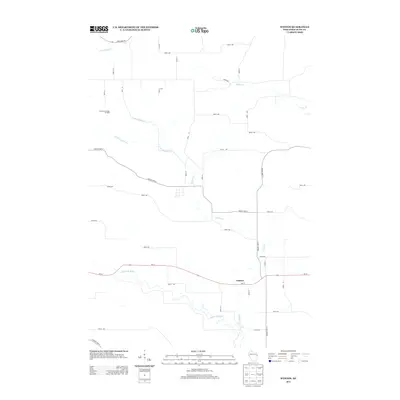 2013 Weston2013 Print · USGSDunn County farmland and the river valleys of the Eau Galle are captured here during the early twenty-first century. Genealogists and local researchers can trace the roads around the settlement of Comfort or locate Connell's Sunridge Orchard near the banks of Knights Cr.
 - 2013 Map of Menomonie South, 2013 Print
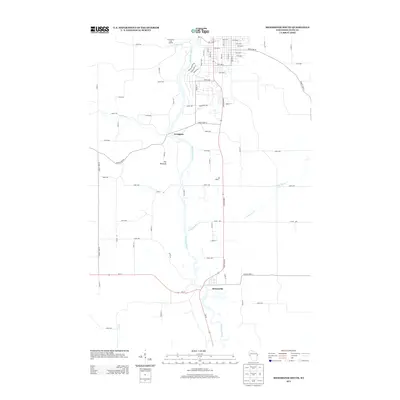 2013 Menomonie South2013 Print · USGSDunn County at the start of the 2010s shows a landscape shaped by the winding Red Cedar River and rural farm-to-market roads. Local historians can trace the layouts of Downsville and Irvington, or locate landmarks like The Pinnacle and Little Elk Cr.
 - 2013 Map of Menomonie North, 2013 Print
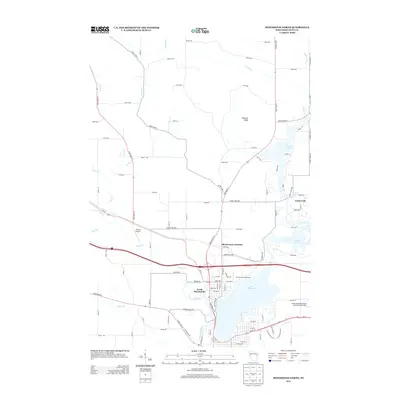 2013 Menomonie North2013 Print · USGSDunn County at the start of the 2010s shows a landscape of river-fed lakes and developing suburban fringes. Researchers can trace the layout of North Menomonie or locate landmarks like Otteson Bluff and Menomonie Junction.
 - 2015 Map of Menomonie South, 2015 Print
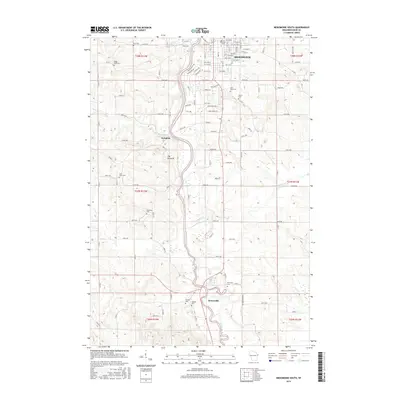 2015 Menomonie South2015 Print · USGSDunn County in the mid-2010s shows the bustling university town of Menomonie giving way to the quiet river valley settlements of Irvington and Downsville. Genealogists can locate several family and community landmarks, including Saint Johns Cem, Grandview Cem, and The Pinnacle.
Showing maps 1-25 of 36
Top cities near Menomonie
- Menomonie historical maps
- Town of Tainter historical maps
- Tainter historical maps
- Red Cedar historical maps
- Town of Red Cedar historical maps
- Red Cedar historical maps
See more
Top neighborhoods of Menomonie
- Irvington historical maps
- Teegarden historical maps
- Hawk Ridge historical maps
- Woodland Terrace historical maps
- Birch Creek historical maps
- Birch Terrace historical maps
See more
Frequently asked questions
- What are the different types of historical maps available for Menomonie?
- What is the oldest map of Menomonie?
- Where can I purchase historical maps of Menomonie for my home or office?
- Where can I download high-res historical maps of Menomonie?
- Are there historical topographic maps available for Menomonie?
- Is there historical aerial imagery available for Menomonie?
- Where are historical maps of Menomonie sourced from?