Old Maps of Smelser, Wisconsin for Hiking & Exploration
Hike through history with 33 historic maps of Smelser. Explore old trails, ghost towns, and forgotten backroads — perfect for outdoor adventurers and local explorers.
- Rediscover forgotten places: Map out old mining camps, roads, and footpaths that no longer exist on modern maps.
- Layer with modern tools: Combine with LiDAR or satellite views to plan hikes through historical terrain.
- Made for exploration: Popular among hikers, overlanders, and local history lovers.
Use these maps to find adventure and explore the hidden past of Smelser.
Smelser, WI maps
(33)- 1900 Map of Lancaster
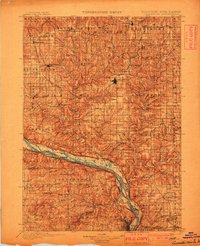 1900 Lancaster1900 Print · USGSGrant County and the Mississippi River bluffs are captured at the close of the nineteenth century, showing a landscape of river towns and ridge-top farms. Researchers can trace the early rail corridors and vanished river landings from Cassville and Potosi to the county seat at Lancaster.
 - 1902 Map of Mineral Point
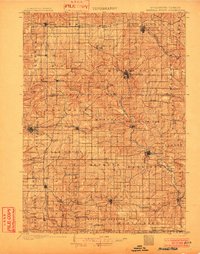 1902 Mineral Point1902 Print · USGSSouthwest Wisconsin and Northern Illinois are mapped here at the height of the regional mining era. Genealogists and historians can trace the rail lines of the Illinois Central to vanished junctions and local landmarks like Meekers Grove, Calamine, and Elk Grove.4 unique versions available
 - 1904 Map of Lancaster, 1953 Print
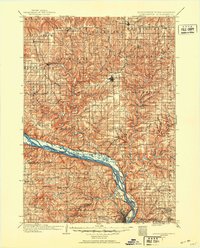 1904 Lancaster1953 Print · USGSSouthwest Wisconsin and its neighboring river lands are shown at the turn of the century as railroads began to dominate the ridge tops. Researchers can trace the development of the river-and-rail economy through sites like Spechts Ferry, Sinsinawa Mound, and Lancaster.
 - 1908 Map of Lancaster
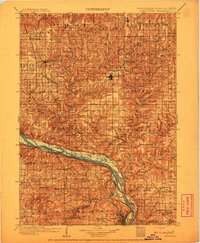 1908 Lancaster1908 Print · USGSGrant County and the Mississippi River border appear in the first decade of the twentieth century, when river crossings and new rail lines defined local commerce. Researchers can trace the landings at Spechts Ferry and Mc Cartney or locate early settlements like British Hollow and Beetown.5 unique versions available
 - 1952 Map of Platteville, 1954 Print
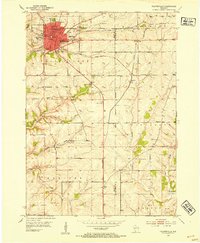 1952 Platteville1954 Print · USGSIn the early fifties, the mining and academic life of Southwest Wisconsin converged at the junction of two major railroads. Genealogists and historians can locate rural landmarks like the Old Elk Grove Cem, the remote Woodchuck Sch, and numerous extraction sites such as Acme Mine.2 unique versions available
 - 1952 Map of Cuba City, 1954 Print
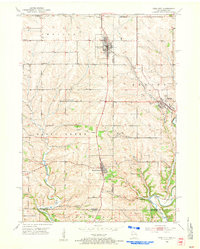 1952 Cuba City1954 Print · USGSThe Wisconsin-Illinois state line comes alive in the early fifties, showing a landscape of zinc and lead mining history near the Galena River. Genealogists can trace rural life through a network of local schools like Hell Sch and cemeteries such as Mt Pleasant Cem.3 unique versions available
 - 1959 Map of Dubuque, 1982 Print
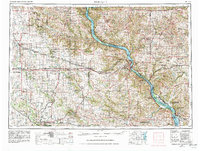 1959 Dubuque1982 Print · USGSThe Tri-State region comes alive in the mid-twentieth century as a hub of river commerce and rail transit. Genealogists and historians can trace the paths of the Illinois Central Gulf through Dubuque or locate the Savanna Ordnance Depot and Lock and Dam No 11.
 - 1961 Map of Dubuque
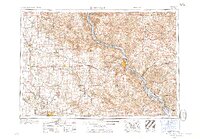 1961 Dubuque1961 Print · USGSThe Tri-State region's river-and-rail landscape is captured here during the early sixties, showing the convergence of Iowa, Illinois, and Wisconsin. Trace mid-century rail lines like the Chicago Great Western Ry and explore sites like the Savanna Ordnance Depot and Backbone State Park.
 - 1961 Map of Dickeyville, 1962 Print
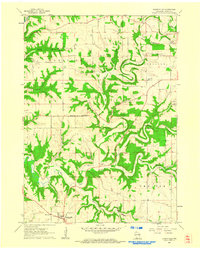 1961 Dickeyville1962 Print · USGSGrant County's rolling farmland and deep river valleys are captured here in the early sixties. Researchers can trace rural life through landmarks like the Little Grant Mine, family-named cemeteries such as Kaump Cem, and local schoolhouses like Maple Glen Sch.3 unique versions available
 - 1961 Map of Kieler, 1962 Print
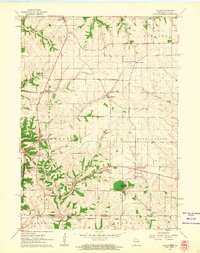 1961 Kieler1962 Print · USGSGrant County is captured in the early sixties as a region of upland farming and quiet river hollows along the state line. Researchers can trace rural landmarks from Sinsinawa Mound to the crossroads at Fair Play, Happy Corners, and the Jamestown Cem.3 unique versions available
 - 1962 Map of Dubuque
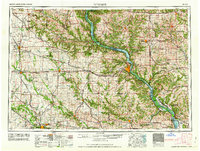 1962 Dubuque1962 Print · USGSThe Tri-State region's river-and-rail economy is captured here in the early sixties, centered on the Mississippi River bluffs. Genealogists and historians can locate Numerous lead and zinc mines, the New Melleray Abbey Monastery, and rural hubs like Saint Olaf.2 unique versions available
 - 1976 Map of Dubuque
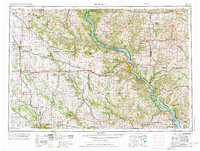 1976 Dubuque1976 Print · USGSThe tri-state borderlands of Iowa, Wisconsin, and Illinois come alive during the mid-seventies, showing a region built on river commerce and mining. Genealogists and historians can trace the paths of the Illinois Central railroad or locate heritage sites like the New Melleray Abbey Monastery and Backbone State Park.
 - 1984 Map of Dubuque North, 1985 Print
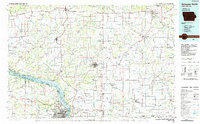 1984 Dubuque North1985 Print · USGSThis Tri-State region was a hub of Midwestern mining and river commerce in the mid-eighties. Researchers can trace the legacy of the Lead District through specific sites like Annie Mine or locate early civic centers such as First Capitol State Park.2 unique versions available
 - 2010 Map of Dickeyville, 2010 Print
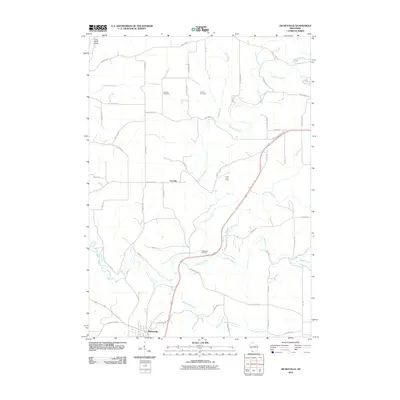 2010 Dickeyville2010 Print · USGSGrant County’s rolling agricultural landscape and river valleys are captured here at the start of the 2010s. Researchers can locate the Little Grant Mine, several pioneer burial sites like Kaump Cemetery, and the village of Dickeyville.
 - 2010 Map of Kieler, 2010 Print
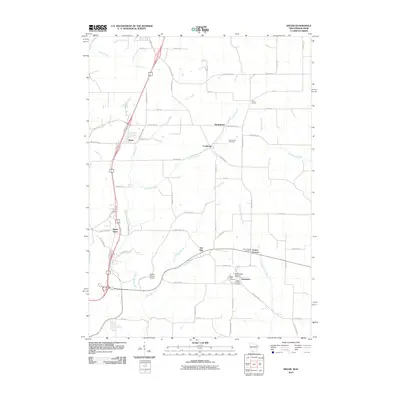 2010 Kieler2010 Print · USGSJamestown and the surrounding Grant County countryside are shown here as they appeared in the early twenty-first century. Genealogists can locate family sites near Sinsinawa Mound, Saint Clara Cemetery, and the old settlement of Sandy Hook.
 - 2010 Map of Platteville, 2010 Print
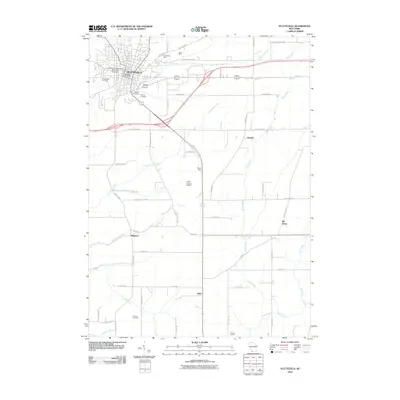 2010 Platteville2010 Print · USGSGrant County is captured in the early twenty-first century as it balances its mining heritage with modern growth. Genealogists and local historians can trace family locations near the Homestead Mine, Smelser Cemetery, and the historic crossroads of Bigpatch.
 - 2010 Map of Cuba City, 2010 Print
 2010 Cuba City2010 Print · USGSThe mining and farming traditions of southwest Wisconsin are captured here in the early twenty-first century. Genealogists and local researchers can locate family sites near Mount Pleasant Cemetery or trace the legacy of the Burkett Mine and Northwestern Mine.
 - 2013 Map of Cuba City, 2013 Print
 2013 Cuba City2013 Print · USGSThe Driftless Area of southwestern Wisconsin is captured here in the early twenty-first century, showing a landscape of established dairy farms and river valleys. Genealogists can trace family holdings and small settlements like Benton, Hazel Green, and Strawbridge along the Galena River.
 - 2013 Map of Dickeyville, 2013 Print
 2013 Dickeyville2013 Print · USGSGrant County agriculture and river drainage are documented here in the early twenty-first century. Researchers can trace land holdings and water features like Brogley Farms, Blockhouse Cr, and the community of Dickeyville.
 - 2013 Map of Kieler, 2013 Print
 2013 Kieler2013 Print · USGSWisconsin's southern borderlands near the Mississippi come into focus in this early 21st-century survey of the region's agricultural and river landscape. Genealogists and local historians can trace family holdings like Beeler Tree Farm or locate the small settlements of Fair Play and Sandy Hook.
 - 2013 Map of Platteville, 2013 Print
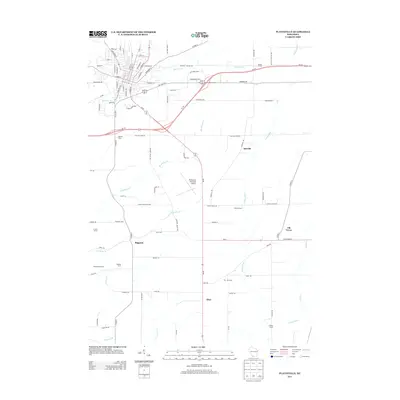 2013 Platteville2013 Print · USGSGrant County agriculture and rural life are captured here in the early 2010s as the region maintains its traditional farming roots. Genealogists and local historians can trace family-named lands like De Buhr Farm and Lindsay Farms or locate the small settlements of Ipswich and Elmo.
 - 2016 Map of Platteville, 2016 Print
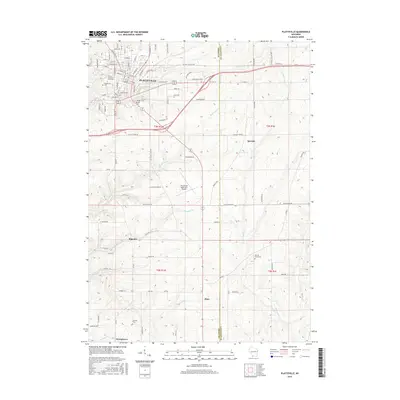 2016 Platteville2016 Print · USGSThe Driftless Area of Southwest Wisconsin is shown here in the mid-2010s, centered on the growing university town of Platteville. Local researchers can trace family plots at Smelser Cem or explore the rural reaches of Bigpatch and the Galena River valley.
 - 2016 Map of Dickeyville, 2016 Print
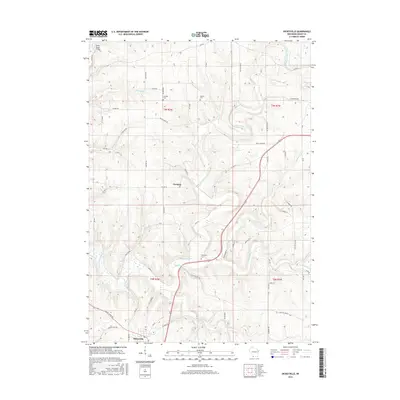 2016 Dickeyville2016 Print · USGSGrant County's rolling farmland and river valleys are captured here in the mid-2010s, centered on the community of Dickeyville. Local historians can locate family landmarks such as Harrison Cem, Piddington Cem, and the small settlement of Cornelia.
 - 2016 Map of Cuba City, 2016 Print
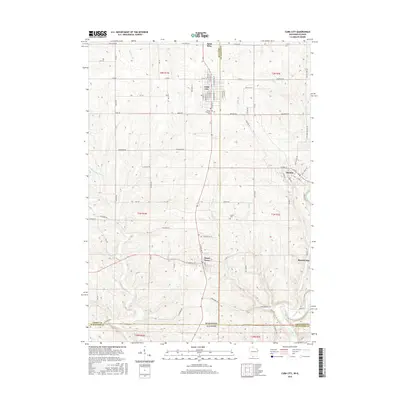 2016 Cuba City2016 Print · USGSSouthwestern Wisconsin's driftless-border landscape is captured here in the mid-2010s, showing the settled crossroads between the Sinsinawa River and Galena River. Genealogists can trace family plots at Mount Pleasant Cem or locate historical property near Benton, Hazel Green, and the crossing at Scrabble Br.
 - 2016 Map of Kieler, 2016 Print
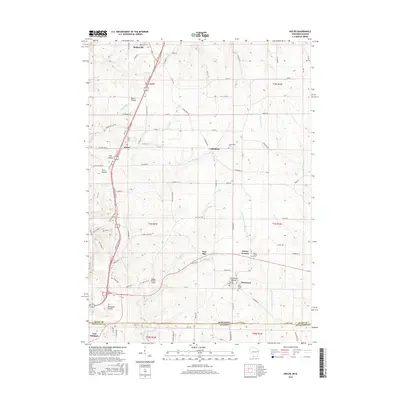 2016 Kieler2016 Print · USGSGrant County’s rolling Driftless terrain is captured here in the mid-2010s, showing a landscape of deep hollows and high ridges along the Illinois border. Researchers can locate historic rural centers like Fair Play and Louisburg, or trace family roots at Saint Clara Cem and Sinsinawa Mound.
Showing maps 1-25 of 33
Top cities near Smelser
- Dubuque historical maps
- Platteville historical maps
- Lancaster historical maps
- Galena historical maps
- Jamestown historical maps
- East Dubuque historical maps
See more
Top neighborhoods of Smelser
Frequently asked questions
- What are the different types of historical maps available for Smelser?
- What is the oldest map of Smelser?
- Where can I purchase historical maps of Smelser for my home or office?
- Where can I download high-res historical maps of Smelser?
- Are there historical topographic maps available for Smelser?
- Is there historical aerial imagery available for Smelser?
- Where are historical maps of Smelser sourced from?