Old Maps of Iowa County, Wisconsin for Hiking & Exploration
Hike through history with 171 historic maps of Iowa County. Explore old trails, ghost towns, and forgotten backroads — perfect for outdoor adventurers and local explorers.
- Rediscover forgotten places: Map out old mining camps, roads, and footpaths that no longer exist on modern maps.
- Layer with modern tools: Combine with LiDAR or satellite views to plan hikes through historical terrain.
- Made for exploration: Popular among hikers, overlanders, and local history lovers.
Use these maps to find adventure and explore the hidden past of Iowa County.
Iowa County, WI maps
(171)- 1902 Map of Mineral Point
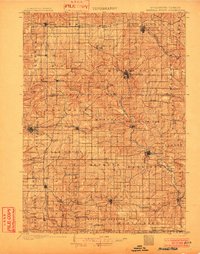 1902 Mineral Point1902 Print · USGSSouthwest Wisconsin and Northern Illinois are mapped here at the height of the regional mining era. Genealogists and historians can trace the rail lines of the Illinois Central to vanished junctions and local landmarks like Meekers Grove, Calamine, and Elk Grove.4 unique versions available
 - 1905 Map of Richland Center
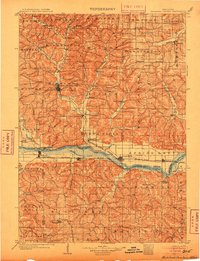 1905 Richland Center1905 Print · USGSRichland and Sauk Counties at the turn of the century show a landscape defined by the winding Wisconsin River and early rail expansion. Genealogists and historians can trace the foundations of local commerce through early post offices like Beach P.O. and rail hubs at Lone Rock and Richland Center.2 unique versions available
 - 1920 Map of Blue Mounds, 1959 Print
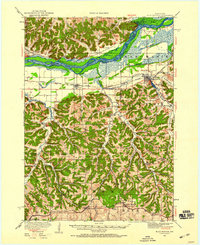 1920 Blue Mounds1959 Print · USGSThe Driftless Area of Dane and Iowa counties comes to life in the years following the Great War, showing a landscape of ridge-top towns and river-valley rails. Genealogists can locate dozens of rural landmarks, from the Hyde Church to schools like Seitz School and Larsonville School.
 - 1922 Map of Blue Mounds
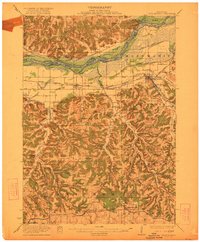 1922 Blue Mounds1922 Print · USGSThe Wisconsin River valley and the Driftless Area uplands meet here in the early nineteen-twenties, showing a landscape defined by rail corridors and rural school districts. Researchers can pinpoint historic family landmarks like Hyde Church, the Coon Rock Mill, and Fairview School.3 unique versions available
 - 1923 Map of Blanchardville
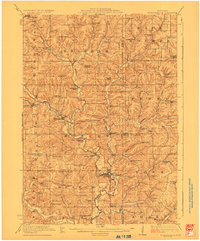 1923 Blanchardville1923 Print · USGSThe Driftless Area of southwest Wisconsin comes alive in the early 1920s, showing a landscape defined by the Pecatonica River and early rail lines. Genealogists can locate dozens of rural landmarks, from the York Churches to schools like Lukken School and Arneson School.2 unique versions available
 - 1952 Map of Rewey, 1954 Print
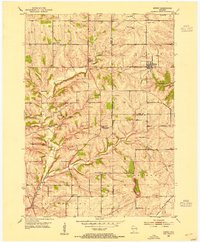 1952 Rewey1954 Print · USGSRewey and the surrounding dairy country of Iowa, Grant, and Lafayette counties are shown here in the early fifties during a period of transition. Genealogists can locate several family-named burial sites like McReynolds Cem and rural schoolhouses including Hazel Dell Sch and Sunny Dale Sch.3 unique versions available
 - 1952 Map of Montfort, 1954 Print
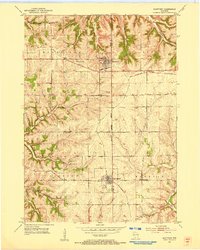 1952 Montfort1954 Print · USGSThe dairy lands and driftless ridges of Grant and Iowa Counties are documented here in the early fifties. Genealogists can locate numerous rural schoolhouses and family burial sites such as Rock Church Cem, Oak Grove Sch, and the Mifflin Mine works.2 unique versions available
 - 1952 Map of Mineral Point, 1954 Print
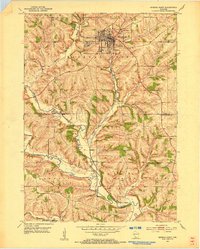 1952 Mineral Point1954 Print · USGSMineral Point and its surrounding lead-mining country are shown here in the early fifties, just as the rural school system remained intact. Genealogists can locate family sites near Willow Springs Church, St. Marys Cemetery, or small districts like Slateford and Seven Oaks School.3 unique versions available
 - 1952 Map of Dodgeville, 1954 Print
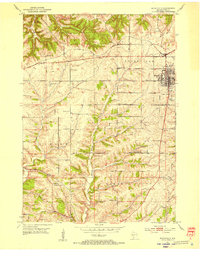 1952 Dodgeville1954 Print · USGSDodgeville and the surrounding townships in the early 1950s reveal a landscape of tight-knit rural communities connected by rail and stream. Genealogists can trace family roots through numerous local landmarks like Bethlehem Ch, Diamond Grove Sch, and St Joseph Cem.3 unique versions available
 - 1952 Map of Linden, 1954 Print
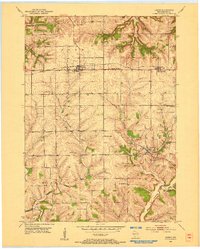 1952 Linden1954 Print · USGSWisconsin's Driftless Area reveals its mid-century character here, as the mining industry and small-town rail life intersect. Genealogists and historians can trace the locations of rural schools like Whitson View School and explore the rail corridor of the Chicago and North Western.
 - 1952 Map of Mifflin, 1954 Print
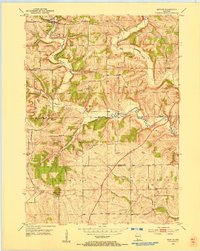 1952 Mifflin1954 Print · USGSIowa and Lafayette counties in the early fifties show a landscape where mining and pioneer history meet. Genealogists and researchers can trace rural school districts like Jericho Sch, find the historic First Capitol State Park, and locate family plots at Mifflin Cem.2 unique versions available
 - 1954 Map of Rockford
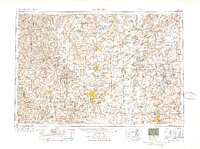 1954 Rockford1954 Print · USGSThe Rock River valley and the Illinois-Wisconsin borderlands are captured here in the mid-1950s during a period of robust industrial and agricultural activity. Genealogists and historians can trace rail-era corridors like the Illinois Central RR and locate landmarks from Big Foot Prairie to Lake Geneva.
 - 1955 Map of Rockford
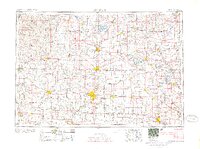 1955 Rockford1955 Print · USGSThe Rock River valley and southern Wisconsin dairy country are shown here in the mid-fifties as the region's manufacturing centers grew. Genealogists and historians can trace the paths of the Chicago and North Western RR and Illinois Central RR through hubs like Rockford and Beloit.
 - 1957 Map of Madison, 1967 Print
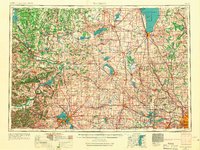 1957 Madison1967 Print · USGSSouth-central Wisconsin in the mid-fifties reveals a landscape of industrial hubs and glacial lakes linked by a dense rail and highway network. Genealogists and historians can trace the development of lakeside communities and find notable sites like Badger Ordnance Works and the Horicon National Wildlife Refuge.3 unique versions available
 - 1958 Map of Rockford, 1974 Print
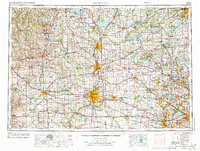 1958 Rockford1974 Print · USGSNorthern Illinois and southern Wisconsin are shown here in the mid-twentieth century as rail-dependent industrial towns began to interface with growing lakefront communities. Genealogists can trace family roots through settlements like Saylesville and Tess Corners or locate historical landmarks like the Rockford Ordnance Depot.4 unique versions available
 - 1958 Map of La Crosse, 1979 Print
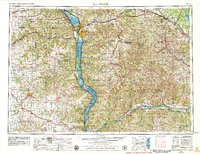 1958 La Crosse1979 Print · USGSThe Driftless Area of Wisconsin and Iowa is captured here during the late seventies, showing the intricate river valleys and ridge-top settlements. Genealogists and historians can trace the rail corridors of the Soo Line or locate landmarks like Grandad Bluff and Effigy Mounds National Monument.2 unique versions available
 - 1959 Map of Dubuque, 1982 Print
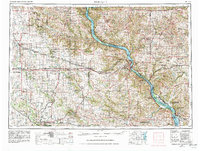 1959 Dubuque1982 Print · USGSThe Tri-State region comes alive in the mid-twentieth century as a hub of river commerce and rail transit. Genealogists and historians can trace the paths of the Illinois Central Gulf through Dubuque or locate the Savanna Ordnance Depot and Lock and Dam No 11.
 - 1960 Map of Madison
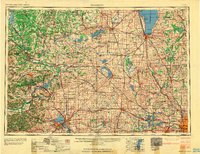 1960 Madison1960 Print · USGSCentral and Southern Wisconsin are captured in the late fifties, showing the region as its rail-and-river network matured. Trace the paths of the Soo Line RR or locate family roots near Lake Mendota and Horicon National Wildlife Refuge.2 unique versions available
 - 1960 Map of Muscoda, 1962 Print
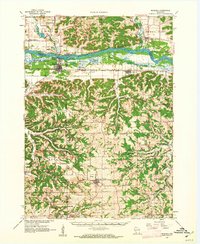 1960 Muscoda1962 Print · USGSThe Wisconsin River valley and the rugged driftless uplands are captured here in the early 1960s. Researchers can trace the path of the Chicago Milwaukee St Paul and Pacific railroad or locate rural landmarks like St John Ch and Strawberry Sch.
 - 1960 Map of Spring Green, 1962 Print
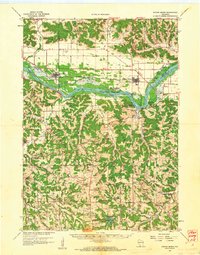 1960 Spring Green1962 Print · USGSThe Wisconsin River valley and surrounding Driftless Area uplands are captured here in the early sixties. Researchers can trace rural lineages through numerous country landmarks like Unity Chapel, Gold Mine Sch, and the quiet crossroads at Clyde.2 unique versions available
 - 1961 Map of Dubuque
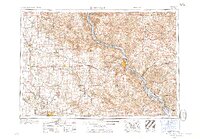 1961 Dubuque1961 Print · USGSThe Tri-State region's river-and-rail landscape is captured here during the early sixties, showing the convergence of Iowa, Illinois, and Wisconsin. Trace mid-century rail lines like the Chicago Great Western Ry and explore sites like the Savanna Ordnance Depot and Backbone State Park.
 - 1961 Map of La Crosse
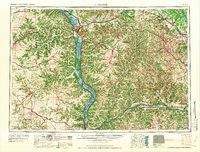 1961 La Crosse1961 Print · USGSThe Driftless Area at the start of the 1960s reveals a complex network of river towns and rail lines along the Mississippi River. Genealogists and historians can trace old settlements like New Amsterdam and Wyattville or locate major landmarks like Camp McCoy Military Reservation and Effigy Mounds National Monument.
 - 1962 Map of Dubuque
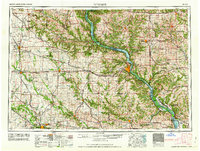 1962 Dubuque1962 Print · USGSThe Tri-State region's river-and-rail economy is captured here in the early sixties, centered on the Mississippi River bluffs. Genealogists and historians can locate Numerous lead and zinc mines, the New Melleray Abbey Monastery, and rural hubs like Saint Olaf.2 unique versions available
 - 1962 Map of Blanchardville, 1964 Print
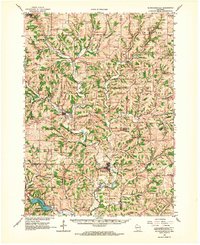 1962 Blanchardville1964 Print · USGSSouthern Wisconsin's rolling uplands and river valleys are captured here in the early sixties, showing the vital rail-and-river connection at Blanchardville. Researchers can trace rural life through dozens of local landmarks like the Moscow Center School, Yellowstone Church, and the newly created Yellowstone Lake.
 - 1962 Map of Daleyville, 1964 Print
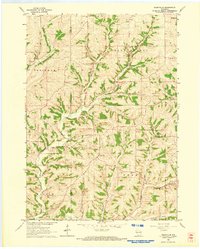 1962 Daleyville1964 Print · USGSWisconsin's rural dairy country in the early sixties is captured here along the border of Iowa and Dane counties. Genealogists can trace family footprints through a dense network of country schools and churches, including Ruste Sch, Hauge Ch, and Forward Sch.
Showing maps 1-25 of 171
Top cities of Iowa County
- Dodgeville historical maps
- Mineral Point historical maps
- Barneveld historical maps
- Highland historical maps
- Arena historical maps
- Ridgeway historical maps
See more
Frequently asked questions
- What are the different types of historical maps available for Iowa County?
- What is the oldest map of Iowa County?
- Where can I purchase historical maps of Iowa County for my home or office?
- Where can I download high-res historical maps of Iowa County?
- Are there historical topographic maps available for Iowa County?
- Is there historical aerial imagery available for Iowa County?
- Where are historical maps of Iowa County sourced from?