Old Maps of Armenia, Wisconsin
Explore 32 old maps of Armenia, spanning from 1953 to today. These high-resolution historic maps reveal how streets, neighborhoods, landmarks, and natural features evolved over time — perfect for genealogy, metal detecting, research, and local history exploration.
What you can do with these maps:
- See how Armenia changed over time: Compare historical maps to modern-day views to trace roads, homesites, rail lines & more.
- View detailed metadata: Each map includes creators, publishers, year, scale, and archive source.
- Overlay maps with satellite & LiDAR: Visualize the past alongside modern tools to explore terrain & human change.
- Trusted historical sources: Maps sourced from the USGS, Library of Congress, and other archives.
- Access maps your way: View online, download high-res files, or order prints for personal or research use.
Start exploring old maps of Armenia to uncover forgotten places, hidden landmarks, and the deep history beneath your feet.
Armenia, WI maps
(32)- 1953 Map of Eau Claire, 1965 Print
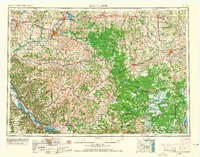 1953 Eau Claire1965 Print · USGSWest-central Wisconsin in the mid-fifties shows a landscape of river-valley industry and vast wildlife refuges during the transition from rails to modern highways. Genealogists and historians can trace the rail corridors of the Chicago and North Western or locate family-named landmarks like Decorah Mound and Chippewa Island.4 unique versions available
 - 1955 Map of Green Bay, 1968 Print
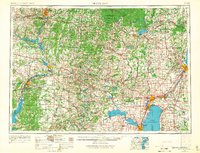 1955 Green Bay1968 Print · USGSCentral and Eastern Wisconsin are captured here in the mid-fifties, showing the industrial growth of the Fox Valley and Wisconsin River corridors. Genealogists and historians can trace rail lines like the Green Bay and Western through settlements like Weyauwega, Clintonville, and Pulaski.2 unique versions available
 - 1958 Map of Eau Claire
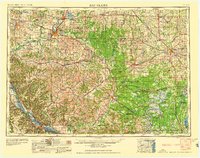 1958 Eau Claire1958 Print · USGSWestern Wisconsin in the late fifties shows a landscape of growing regional hubs and massive wildlife refuges. Trace the rail lines of the Chicago and North Western between Eau Claire and Marshfield, or explore the terrain around Iron Mound and Lake Wissota.
 - 1958 Map of Arkdale, 1960 Print
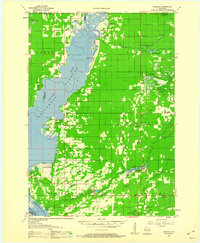 1958 Arkdale1960 Print · USGSIn the late fifties, the central Wisconsin landscape of Adams County was defined by the massive Petenwell Flowage and rural farming life. Genealogists can trace family names at Violet Lawn Sch, Spring Branch Cem, and the settlement of Arkdale.
 - 1958 Map of Necedah, 1960 Print
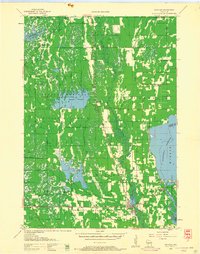 1958 Necedah1960 Print · USGSJuneau County in the late fifties shows a landscape shaped by massive water projects and conservation efforts. Genealogists and hikers can trace old country roads to find the Rockview Sch, Zion Cem, and the tracks of the Chicago and North Western.3 unique versions available
 - 1964 Map of Eau Claire
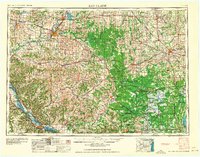 1964 Eau Claire1964 Print · USGSWest-central Wisconsin in the mid-1960s was a hub of river-driven industry and expanding rail networks. Researchers can trace historic homesteads near Menomonie, follow the Soo Line RR through Marshfield, or explore the grounds of the Camp McCoy Military Reservation.
 - 1967 Map of Arkdale, 1969 Print
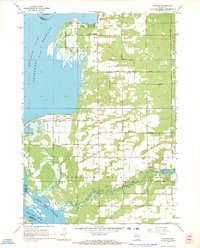 1967 Arkdale1969 Print · USGSAdams County in the late sixties reveals a landscape transformed by the Wisconsin River reservoirs. Genealogists can locate several local burial grounds including Monroe Center Cem and East Arkdale Cem, or trace the rural road network near Arkdale.3 unique versions available
 - 1969 Map of New Miner, 1971 Print
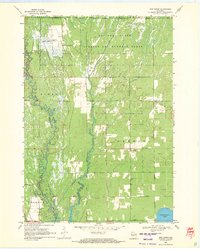 1969 New Miner1971 Print · USGSJuneau County was a landscape of specialized land use in the late sixties, from military ranges to wildlife conservation. Researchers can locate the New Miner settlement, several rural burial grounds like Novotny Cem, and the tracks of the M St P & P railroad.2 unique versions available
 - 1969 Map of Necedah, 1971 Print
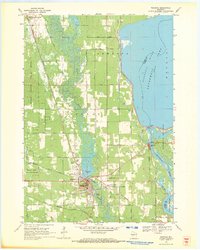 1969 Necedah1971 Print · USGSThe village of Necedah sits at the intersection of rail and river during the late sixties, flanked by massive wildlife refuges and the Wisconsin River. Researchers can locate the Queen of the Holy Rosary Shrine, the Rockview Sch, and the high ground of Necedah Bluff.
 - 1969 Map of Arkdale NW, 1971 Print
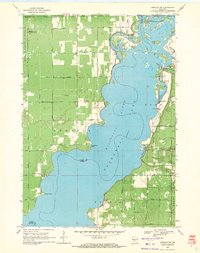 1969 Arkdale NW1971 Print · USGSThe shorelines of the Wisconsin River define the local landscape during the late sixties, where recreation and military activity exist side-by-side. Trace old landmarks like Cranberry Rock Lookout Tower, the settlement at New Rome, and the expansive National Guard Bombing and Gunnery Range.3 unique versions available
 - 1985 Map of Black River Falls
 1985 Black River Falls1985 Print · USGSCentral Wisconsin in the mid-1980s is defined by its sprawling wildlife refuges and the winding Black River corridor. Genealogists and researchers can trace rural settlements like Millston and Warrens or locate historical sites such as the Iron Mine and the grounds of Fort McCoy.2 unique versions available
 - 1985 Map of Wisconsin Rapids
 1985 Wisconsin Rapids1985 Print · USGSCentral Wisconsin in the mid-eighties shows a landscape of engineered waterways and active rail corridors between Wisconsin Rapids and Waupaca. Genealogists and researchers can trace local landmarks like Roche A Cri State Park, the SOO LINE, and small settlements like Coddington or Rudolph.2 unique versions available
 - 2010 Map of Arkdale, 2010 Print
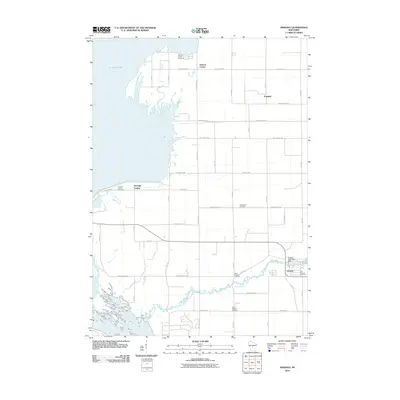 2010 Arkdale2010 Print · USGSAdams County at the start of the 2010s shows a landscape of river-fed settlements and quiet rural crossroads. Genealogists can trace family history through a high density of burial sites like Monroe Center Cemetery and South Arkdale Cemetery, or locate specific structures near the Arkdale 3WR1429 Dam.
 - 2010 Map of Arkdale NW, 2010 Print
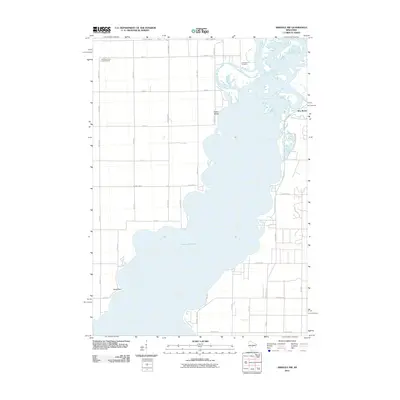 2010 Arkdale NW2010 Print · USGSThe eastern shores of Petenwell Lake are captured here during the first decade of the 2000s. Genealogists and local historians can locate New Rome and Greenwood Cemetery, or trace the winding path of Fourteenmile Creek.
 - 2010 Map of Necedah, 2010 Print
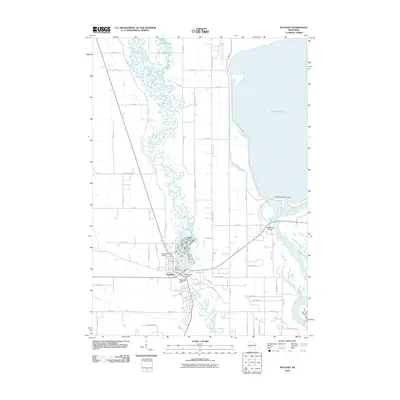 2010 Necedah2010 Print · USGSNecedah and the shores of Petenwell Lake are captured here in the early twenty-first century. Researchers can trace the junction of the Yellow River and Wisconsin River while locating local landmarks like Bay View Cemetery and Petenwell Rock.
 - 2010 Map of New Miner, 2010 Print
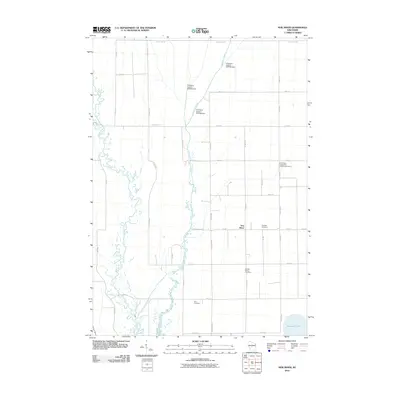 2010 New Miner2010 Print · USGSFinley and New Miner are depicted here during the first decade of the 21st century, showing a landscape defined by cranberry production and river management. Genealogists can locate several local burial grounds including Novotny Cemetery and Saint Pauls Evangelical Lutheran Cemetery near New Miner.
 - 2013 Map of Arkdale NW, 2013 Print
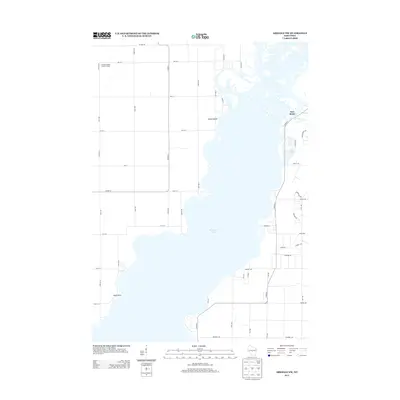 2013 Arkdale NW2013 Print · USGSThe sprawling waters of Petenwell Lake define this Adams County landscape as it appeared in the early 2010s. Trace the development of New Rome and identify regional landmarks like the Cranberry Rock Lookout Tower and Yellow Banks.
 - 2013 Map of Arkdale, 2013 Print
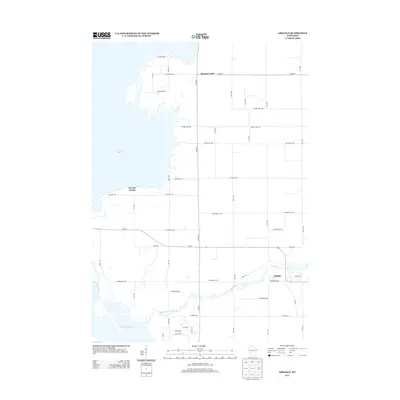 2013 Arkdale2013 Print · USGSAdams County in the early twenty-first century is defined by its massive reservoirs and the rural grids of Strongs Prairie and Arkdale. You can trace the winding course of Big Roche a Cri Creek or locate family properties along BLACKHAWK DR and CO HWY-Z.
 - 2013 Map of Necedah, 2013 Print
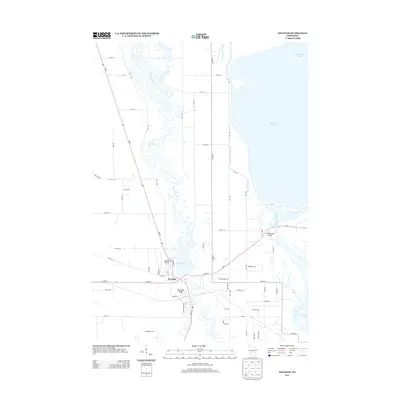 2013 Necedah2013 Print · USGSThe village of Necedah sits at a unique hydrological junction where the Yellow River and Wisconsin River converge. Researchers can trace local landmarks like the Necedah Airport, Petenwell Rock, and Necedah Bluff.
 - 2013 Map of New Miner, 2013 Print
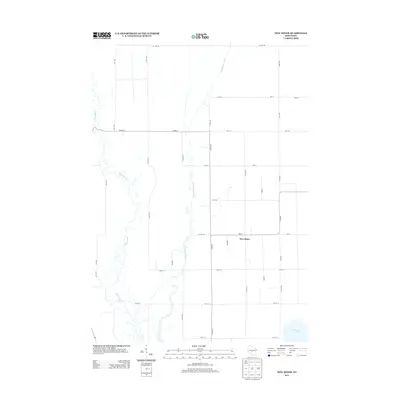 2013 New Miner2013 Print · USGSJuneau County's rural drainage and road networks are captured here in the early twenty-first century. Local historians can trace family properties and land boundaries near the Yellow River and Cranberry Creek, or locate the crossroads settlement of New Miner.
 - 2015 Map of Arkdale NW, 2015 Print
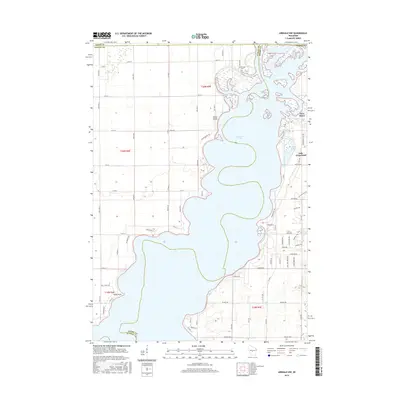 2015 Arkdale NW2015 Print · USGSAlong the shores of Petenwell Lake in the mid-2010s, this map reveals a landscape defined by the Wisconsin River and growing lakeside communities. Trace residential developments around New Rome and Lake Arrowhead or locate local landmarks like Greenwood Cem.
 - 2015 Map of Arkdale, 2015 Print
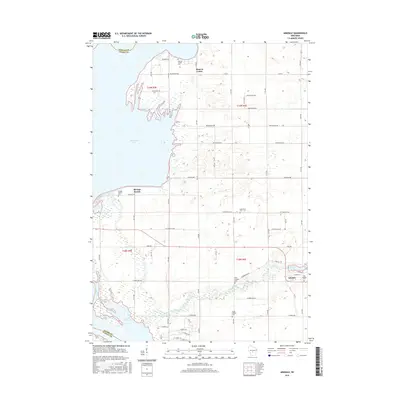 2015 Arkdale2015 Print · USGSAdams County land and water meet in the mid-2010s at the intersection of the Wisconsin River and local agriculture. Researchers can trace family history through numerous rural burial grounds like Monroe Center Cem and Edwardson Cem near the town of Arkdale.
 - 2015 Map of Necedah, 2015 Print
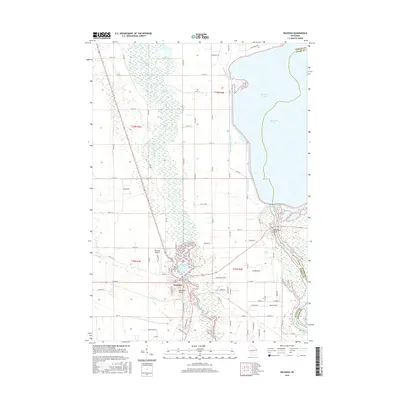 2015 Necedah2015 Print · USGSThe village of Necedah sits at the heart of this mid-2010s survey, marking a unique landscape of managed waterways and river bluffs. Researchers can trace the local geography of Petenwell Rock, Necedah Bluff, and the historic Bay View Cem.
 - 2015 Map of New Miner, 2015 Print
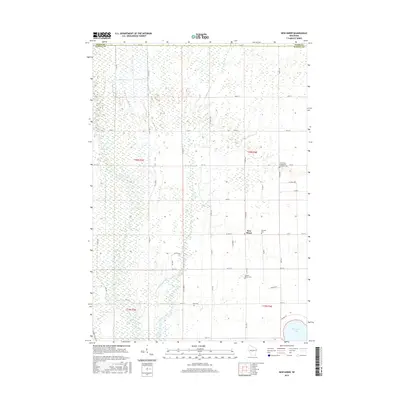 2015 New Miner2015 Print · USGSFinley and New Miner are shown in the mid-2010s during a period of quiet rural stability in the central Wisconsin wetlands. Researchers can locate several family and community landmarks, such as Searles Prairie Cem, Novotny Cem, and the waters of Petenwell Lake.
 - 2018 Map of Arkdale NW, 2018 Print
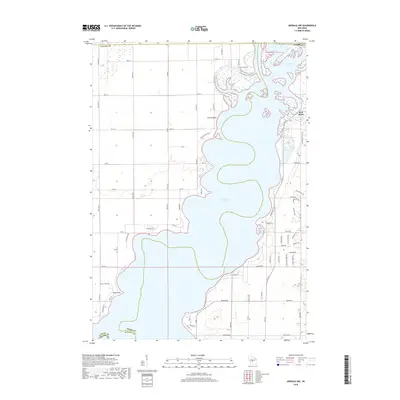 2018 Arkdale NW2018 Print · USGSPetenwell Lake and the Wisconsin River define this central Wisconsin shoreline during the late 2010s. Researchers can trace local landmarks like Greenwood Cem, the settlement of New Rome, and the geography of Barnum Bay.
Showing maps 1-25 of 32
Top cities near Armenia
- Wisconsin Rapids historical maps
- Nekoosa historical maps
- Adams historical maps
- Port Edwards historical maps
- Strongs Prairie historical maps
- Big Flats historical maps
See more
Top neighborhoods of Armenia
- New Miner historical maps
- Southview Shores historical maps
- Halls Point historical maps
- Pinewood Shores historical maps
- Clearview Estates historical maps
- Grandview Shores historical maps
See more
Frequently asked questions
- What are the different types of historical maps available for Armenia?
- What is the oldest map of Armenia?
- Where can I purchase historical maps of Armenia for my home or office?
- Where can I download high-res historical maps of Armenia?
- Are there historical topographic maps available for Armenia?
- Is there historical aerial imagery available for Armenia?
- Where are historical maps of Armenia sourced from?