Old Maps of Granville, Milwaukee for Hiking & Exploration
Hike through history with 27 historic maps of Granville. Explore old trails, ghost towns, and forgotten backroads — perfect for outdoor adventurers and local explorers.
- Rediscover forgotten places: Map out old mining camps, roads, and footpaths that no longer exist on modern maps.
- Layer with modern tools: Combine with LiDAR or satellite views to plan hikes through historical terrain.
- Made for exploration: Popular among hikers, overlanders, and local history lovers.
Use these maps to find adventure and explore the hidden past of Granville.
Granville, Milwaukee maps
(27)- 1892 Map of Milwaukee
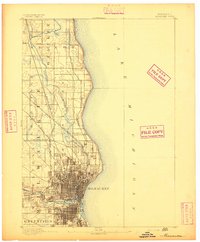 1892 Milwaukee1892 Print · USGSWisconsin’s industrial heartland is documented here during a period of rapid rail expansion and urban growth along the western shore of Lake Michigan. Genealogists and historians can trace the early rail junctions and settlements such as Schwartzburg Junction, Mequon Sta., and Thiensville.2 unique versions available
 - 1892 Map of Waukesha
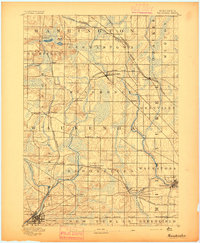 1892 Waukesha1892 Print · USGSSoutheast Wisconsin in the 1890s was a critical junction of rail lines and river valleys connecting small industrial settlements. Trace the early development of Waukesha and Wauwatosa before suburban expansion, or locate vanished stops like Templeton and Brookfield Junction.
 - 1901 Map of Milwaukee
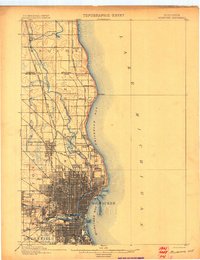 1901 Milwaukee1901 Print · USGSThe Milwaukee lakefront and surrounding townships are shown here as a burgeoning industrial and rail corridor at the start of the 1900s. Trace early property and rail development at Whitefish Bay, Wauwatosa, and the defunct Dillman Sta. depot.
 - 1901 Map of Waukesha
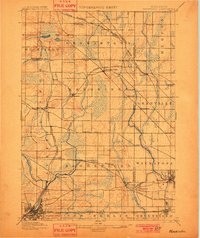 1901 Waukesha1901 Print · USGSSoutheastern Wisconsin at the turn of the century shows a landscape transitioning from rural townships to a complex rail-linked corridor. Genealogists and historians can trace the exact locations of early communities like Freistadt, Fussville, and Brookfield P.O. along the Menomonee River.
 - 1906 Map of Waukesha
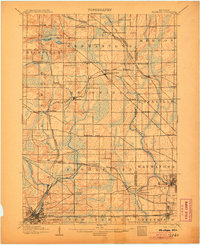 1906 Waukesha1906 Print · USGSWaukesha and the Milwaukee outskirts thrive at the turn of the century during a height of rail connectivity. Genealogists can trace family footprints in early settlements like Freistadt, Lannon, and the neighborhoods of Wauwatosa.4 unique versions available
 - 1906 Map of Milwaukee
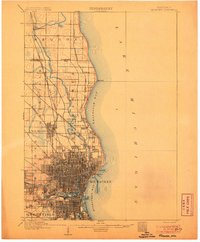 1906 Milwaukee1906 Print · USGSThe Milwaukee lakefront and its surrounding townships show the height of early twentieth-century rail and river development. Researchers can trace ancestral property near National Home or locate vanished stops along the Lake Shore Line and Chicago Milwaukee and St Paul RR.4 unique versions available
 - 1954 Map of Milwaukee, 1967 Print
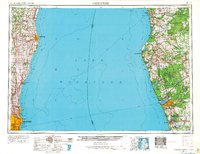 1954 Milwaukee1967 Print · USGSCoastal life and maritime commerce across Lake Michigan are seen here during the mid-fifties, bridging Wisconsin's industrial hubs and Michigan's timberlands. Genealogists and historians can trace the rail lines of the Grand Trunk Western and find long-established ports like Ludington, Port Washington, and Muskegon.3 unique versions available
 - 1957 Map of Madison, 1967 Print
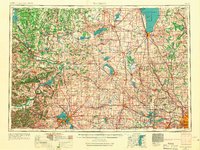 1957 Madison1967 Print · USGSSouth-central Wisconsin in the mid-fifties reveals a landscape of industrial hubs and glacial lakes linked by a dense rail and highway network. Genealogists and historians can trace the development of lakeside communities and find notable sites like Badger Ordnance Works and the Horicon National Wildlife Refuge.3 unique versions available
 - 1958 Map of Milwaukee
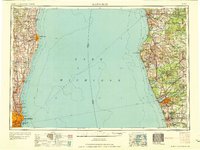 1958 Milwaukee1958 Print · USGSThe shorelines of Lake Michigan in the late fifties reveal a landscape of bustling ferry ports and growing industrial suburbs. Genealogists and historians can trace rail networks like the Chesapeake & Ohio and locate landmarks such as Little Sable Point and Holy Cross Church.
 - 1958 Map of Milwaukee, 1960 Print
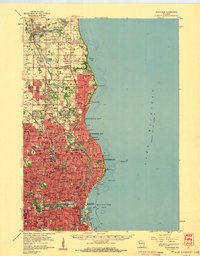 1958 Milwaukee1960 Print · USGSGreater Milwaukee and the Ozaukee County border appear here at the end of the fifties, when the city’s residential and academic core was firmly established. Genealogists can locate family-named institutions like St Rose Sch & Ch, trace the lakefront in Whitefish Bay, and find old rail lines such as the Chicago and North Western.3 unique versions available
 - 1958 Map of Thiensville, 1960 Print
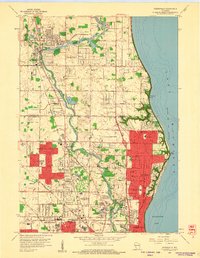 1958 Thiensville1960 Print · USGSThe northern Milwaukee suburbs and Lake Michigan shoreline are captured here during a mid-century period of rapid expansion. Trace the development of local neighborhoods and find landmarks like Graceland Cemetery, Granville High Sch, and the U S Military Reservations.4 unique versions available
 - 1958 Map of Menomonee Falls, 1961 Print
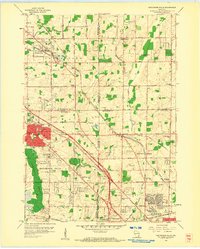 1958 Menomonee Falls1961 Print · USGSIn the late fifties, the rural townships north of Milwaukee were transitioning from gravel mining and farming to suburban life. Genealogists and local historians can trace legacy sites like Fussville, Holy Cross Ch, and St Marys Cem amidst the growing network of roads.4 unique versions available
 - 1959 Map of Waukesha, 1961 Print
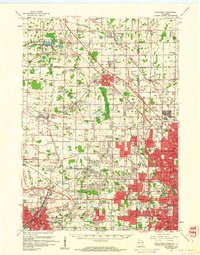 1959 Waukesha1961 Print · USGSSoutheast Wisconsin was undergoing a massive suburban transformation in the late fifties as Milwaukee expanded west. Trace the growth of post-war neighborhoods and infrastructure near Goerkes Corner, Timmerman Airport, and the Lannon limestone Quarries.3 unique versions available
 - 1960 Map of Madison
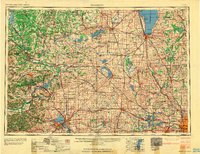 1960 Madison1960 Print · USGSCentral and Southern Wisconsin are captured in the late fifties, showing the region as its rail-and-river network matured. Trace the paths of the Soo Line RR or locate family roots near Lake Mendota and Horicon National Wildlife Refuge.2 unique versions available
 - 1980 Map of Milwaukee, 1981 Print
 1980 Milwaukee1981 Print · USGSThe Lake Michigan shoreline and Milwaukee's urban sprawl are captured here at the start of the 1980s. Local researchers can trace family landmarks like Graceland Cemetery, educational sites like Milwaukee-Downer College, and the northern rail lines of the Chicago and North Western.
 - 1984 Map of Oconomowoc, 1985 Print
 1984 Oconomowoc1985 Print · USGSSoutheast Wisconsin in the mid-eighties shows a landscape defined by its glacial heritage and expanding metropolitan corridors. Genealogists and historians can trace the development of lakeside communities like Oconomowoc and Pewaukee, or find established settlements such as Watertown and Beaver Dam.
 - 1991 Map of Oconomowoc
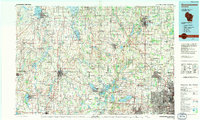 1991 Oconomowoc1991 Print · USGSSoutheastern Wisconsin in the early nineties shows a landscape of glacial lakes and growing suburbs. Trace local history through Aztalan State Park, Carroll College, and the sprawling Horicon Marsh State Wildlife Area.
 - 2010 Map of Thiensville, 2010 Print
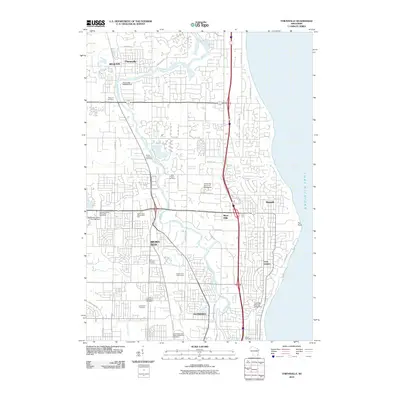 2010 Thiensville2010 Print · USGSNorth of Milwaukee in the early 2010s, this suburban landscape is defined by the Milwaukee River and the Lake Michigan shore. Genealogists can locate several memorial sites including Graceland Cemetery and Saint Peters Cemetery.
 - 2010 Map of Menomonee Falls, 2010 Print
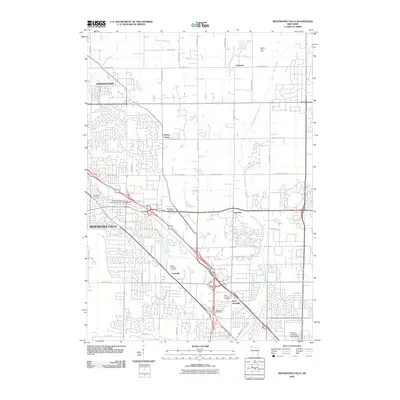 2010 Menomonee Falls2010 Print · USGSGreater Milwaukee’s northwest corridor reveals its transition from rural farmsteads to suburban hubs during the early 2000s. Genealogists and historians can trace local family lineages through Saint Marys Cemetery, Fussville, and the Barthel Fruit Farm.
 - 2013 Map of Thiensville, 2013 Print
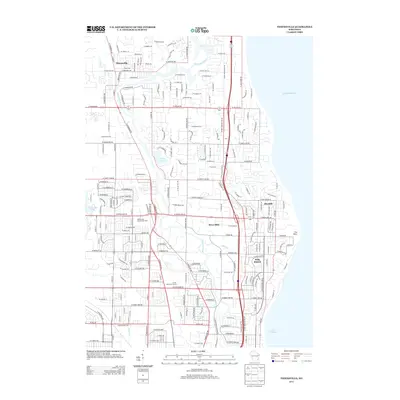 2013 Thiensville2013 Print · USGSThe North Shore of Milwaukee comes into focus in the early 2010s as suburban life meets the river and the lake. Local historians can trace property and neighborhood development near Thiensville, River Hills, and the Brown Deer Golf Course.
 - 2013 Map of Menomonee Falls, 2013 Print
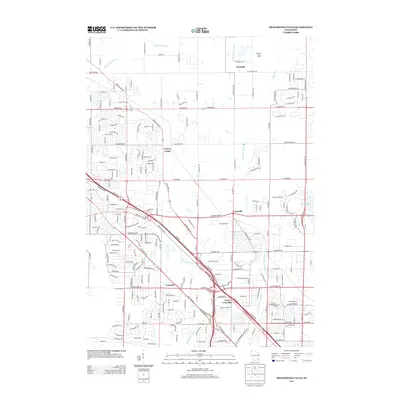 2013 Menomonee Falls2013 Print · USGSThe northern suburbs of Milwaukee are shown in 2013 during a period of significant growth and connectivity. Researchers can trace the layout of historic settlements like Freistadt and Fussville or locate landmarks such as Barthel Fruit Farm.
 - 2015 Map of Menomonee Falls, 2015 Print
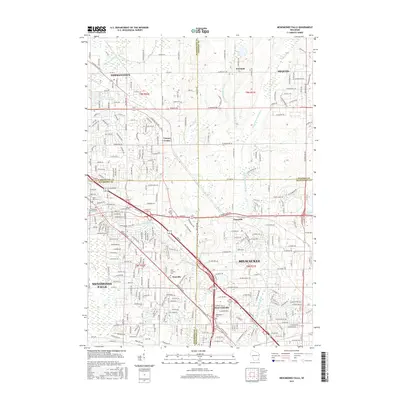 2015 Menomonee Falls2015 Print · USGSNorthwest of Milwaukee in the mid-2010s, these borderlands between four counties show a landscape of suburban growth over historic village foundations. Genealogists can locate several family burial sites, including Saint Paul Cem, Resthaven Cem, and Saint Anthony Cem near Fussville.
 - 2016 Map of Thiensville, 2016 Print
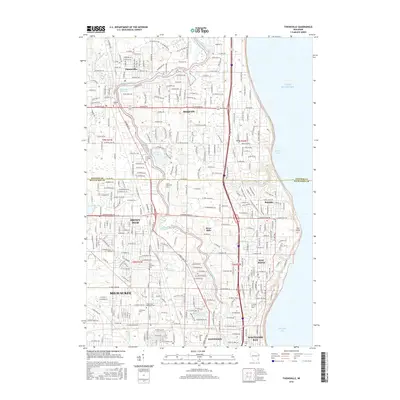 2016 Thiensville2016 Print · USGSNorth of Milwaukee in the mid-2010s, these riverfront suburbs show a landscape shaped by both the winding Milwaukee River and the vast shoreline of Lake Michigan. Genealogists and local historians can locate several major burial grounds, such as Saint Michaels Cem and Graceland Cem.
 - 2018 Map of Menomonee Falls, 2018 Print
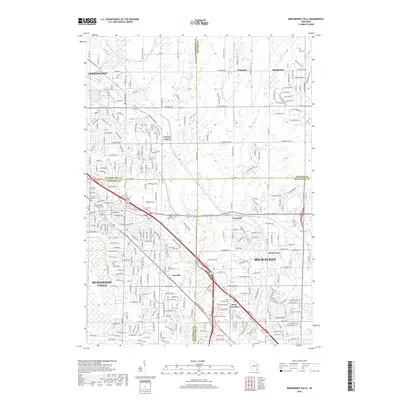 2018 Menomonee Falls2018 Print · USGSThe northern edge of the Milwaukee metro area comes into focus during this period of suburban maturity. Local historians can trace the evolution of old crossroads like Fussville and Victory Center or locate family plots at Granville Cem and Saint Mary's Cem.
 - 2018 Map of Thiensville, 2018 Print
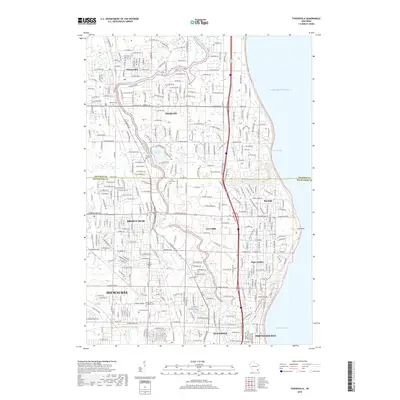 2018 Thiensville2018 Print · USGSThe Milwaukee lakefront and river valley appear here in the late twenty-tens, showing the developed suburban landscape north of the city. Genealogists can locate family sites at Graceland Cem, Saint Peters Cem, or Trinity Lutheran Cem.
Showing maps 1-25 of 27
Frequently asked questions
- What are the different types of historical maps available for Granville?
- What is the oldest map of Granville?
- Where can I purchase historical maps of Granville for my home or office?
- Where can I download high-res historical maps of Granville?
- Are there historical topographic maps available for Granville?
- Is there historical aerial imagery available for Granville?
- Where are historical maps of Granville sourced from?