Old Maps of Tarrant, Wisconsin for Academic Research
Study the evolution of Tarrant with 12 high-resolution historic maps. Whether you're teaching, researching, or modeling changes in land use, these maps provide essential visual documentation of urban, environmental, and geographic change.
- Analyze long-term change: Track patterns in development, transportation, and natural features.
- Ideal for environmental or urban studies: Support academic projects with primary historical map data.
- Use in the classroom or lab: Educators and researchers rely on these maps to bring historical context to life.
These maps are a powerful tool for teaching, research, and visualizing how Tarrant has changed over the decades.
Tarrant, WI maps
(12)- 1929 Map of Durand, 1970 Print
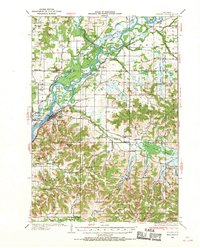 1929 Durand1970 Print · USGSThe Chippewa River valley in the late 1920s reveals a landscape of river-bottom settlements and upland family farms. Genealogists can trace rural roots through numerous schoolhouses like Woods Corner Sch and landmarks like the Meridean Ferry.
 - 1932 Map of Durand
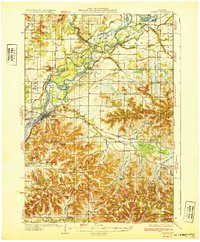 1932 Durand1932 Print · USGSThe Chippewa River valley in the early 1930s is a landscape of complex waterways and bustling rural districts. Genealogists and historians can locate dozens of country schools like Luna Sch and trace the old rail lines serving Durand and Dunnville.2 unique versions available
 - 1953 Map of Eau Claire, 1965 Print
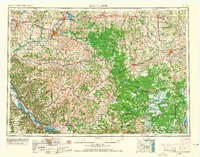 1953 Eau Claire1965 Print · USGSWest-central Wisconsin in the mid-fifties shows a landscape of river-valley industry and vast wildlife refuges during the transition from rails to modern highways. Genealogists and historians can trace the rail corridors of the Chicago and North Western or locate family-named landmarks like Decorah Mound and Chippewa Island.4 unique versions available
 - 1958 Map of Eau Claire
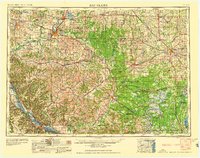 1958 Eau Claire1958 Print · USGSWestern Wisconsin in the late fifties shows a landscape of growing regional hubs and massive wildlife refuges. Trace the rail lines of the Chicago and North Western between Eau Claire and Marshfield, or explore the terrain around Iron Mound and Lake Wissota.
 - 1964 Map of Eau Claire
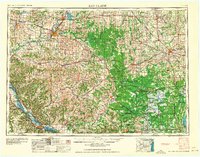 1964 Eau Claire1964 Print · USGSWest-central Wisconsin in the mid-1960s was a hub of river-driven industry and expanding rail networks. Researchers can trace historic homesteads near Menomonie, follow the Soo Line RR through Marshfield, or explore the grounds of the Camp McCoy Military Reservation.
 - 1972 Map of Tarrant, 1975 Print
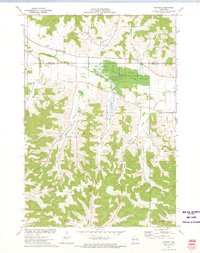 1972 Tarrant1975 Print · USGSBuffalo County in the early seventies is a landscape of deeply carved valleys and conservation land. Genealogists and local historians can locate rural landmarks like Sacred Heart Cem, Tiffany Sch, and the small settlement of Tarrant.
 - 1985 Map of Eau Claire
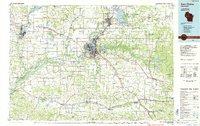 1985 Eau Claire1985 Print · USGSWestern Wisconsin's river valleys and growing mid-century cities are captured here in the mid-eighties. Genealogists and historians can trace the paths of the Chicago and North Western railroad and locate rural landmarks like Dells Millpond and Nine Mile Island.2 unique versions available
 - 2010 Map of Tarrant, 2010 Print
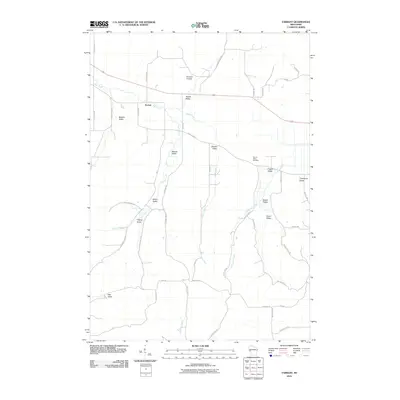 2010 Tarrant2010 Print · USGSThe Driftless Area of West-Central Wisconsin is captured here during the first decade of the millennium, showing a landscape of named coulees and family-settled valleys. Genealogists can trace local roots through Sacred Heart Cemetery and the many family-named landmarks like Brunner Coulee and Prissel Valley.
 - 2013 Map of Tarrant, 2013 Print
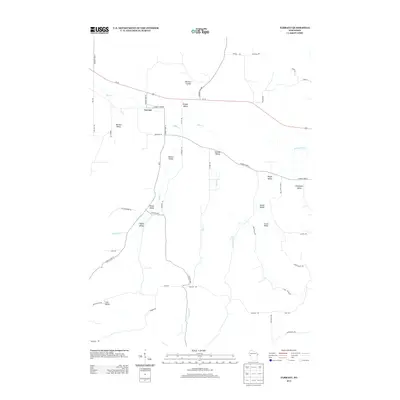 2013 Tarrant2013 Print · USGSThe rural landscapes of Pepin County are captured here in the early twenty-first century, centered on the settlement of Tarrant. Researchers can trace old family holdings through the many named landmarks like Newton Valley, Brunner Coulee, and Steinke Valley.
 - 2015 Map of Tarrant, 2015 Print
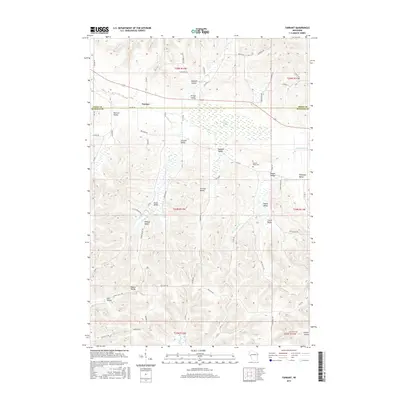 2015 Tarrant2015 Print · USGSThe rural coulee country of Pepin and Buffalo Counties is documented here in the early twenty-first century. Genealogists and historians can trace family landmarks and local sites like Sacred Heart Cem, Tarrant, and the extensive Bear Creek Swamp.
 - 2018 Map of Tarrant, 2018 Print
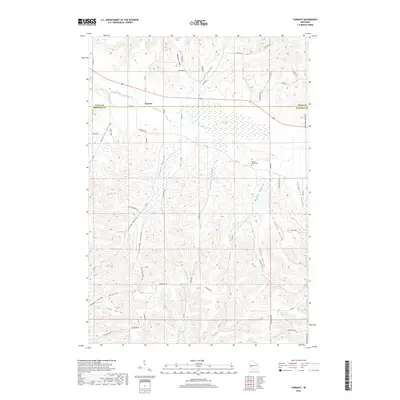 2018 Tarrant2018 Print · USGSThe rural borderlands of Buffalo and Pepin Counties are captured here in the late twenty-teens, showing a landscape defined by deep coulees and valley drainage. Genealogists and local historians can locate Sacred Heart Cem and trace family-named landmarks like Brunner Coulee and Steinke Valley.
 - 2022 Map of Tarrant, 2022 Print
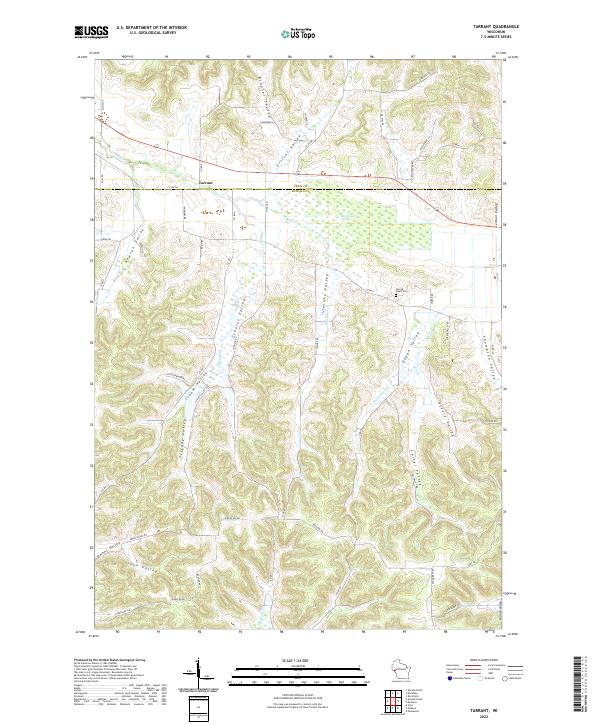 2022 Tarrant2022 Print · USGSThe steep coulees of Buffalo County are captured here in the 2020s, showing a landscape of family-named valleys and rural crossroads. Genealogists can locate Sacred Heart Cem and trace the paths through Newton Valley and Tiffany Valley.
End of results
Showing maps 1-12 of 12
Top cities near Tarrant
- Mondovi historical maps
- Union historical maps
- Wabasha historical maps
- Red Cedar historical maps
- Durand historical maps
- Red Cedar historical maps
See more
Frequently asked questions
- What are the different types of historical maps available for Tarrant?
- What is the oldest map of Tarrant?
- Where can I purchase historical maps of Tarrant for my home or office?
- Where can I download high-res historical maps of Tarrant?
- Are there historical topographic maps available for Tarrant?
- Is there historical aerial imagery available for Tarrant?
- Where are historical maps of Tarrant sourced from?