Old Maps of Big Bend, Wisconsin
Explore 29 old maps of Big Bend, spanning from 1948 to today. These high-resolution historic maps reveal how streets, neighborhoods, landmarks, and natural features evolved over time — perfect for genealogy, metal detecting, research, and local history exploration.
What you can do with these maps:
- See how Big Bend changed over time: Compare historical maps to modern-day views to trace roads, homesites, rail lines & more.
- View detailed metadata: Each map includes creators, publishers, year, scale, and archive source.
- Overlay maps with satellite & LiDAR: Visualize the past alongside modern tools to explore terrain & human change.
- Trusted historical sources: Maps sourced from the USGS, Library of Congress, and other archives.
- Access maps your way: View online, download high-res files, or order prints for personal or research use.
Start exploring old maps of Big Bend to uncover forgotten places, hidden landmarks, and the deep history beneath your feet.
Big Bend, WI maps
(29)- 1948 Map of Weyerhauser, 1964 Print
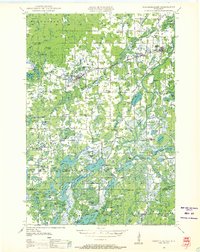 1948 Weyerhauser1964 Print · USGSRusk County at mid-century is a landscape of glacial lakes and tight-knit rural districts organized around the Soo Line railroad. Genealogists can locate long-lost rural institutions including Pleasant Hill Sch, the Indian Cem, and the historic townsite of Apollonia.
 - 1950 Map of Weyerhauser
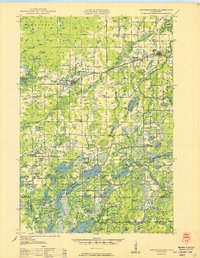 1950 Weyerhauser1950 Print · USGSRusk County at the dawn of the 1950s reveals a transition from timber-driven rail towns to a landscape of lakeside communities. Genealogists and historians can trace local landmarks like Indian Cem, the Stan Lookout Tower, and numerous rural schoolhouses including Amacoy Sch.
 - 1953 Map of Rice Lake, 1967 Print
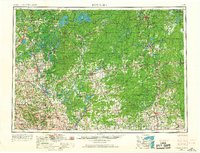 1953 Rice Lake1967 Print · USGSNorthwest Wisconsin during the mid-fifties reveals a landscape defined by timber, rail, and water. Genealogists and historians can trace the development of river towns like Ladysmith and Rice Lake along the Soo Line and Chicago and North Western railroads.2 unique versions available
 - 1959 Map of Rice Lake
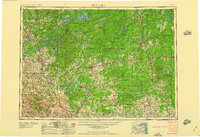 1959 Rice Lake1959 Print · USGSNorthwest Wisconsin in the late fifties was a land of expanding road networks and deep-seated timber history. Genealogists and historians can trace rail lines like the Soo Line RR and Chicago St Paul Minneapolis and Omaha Ry as they link settlements from Spooner to Medford.
 - 1972 Map of Fireside Lakes, 1974 Print
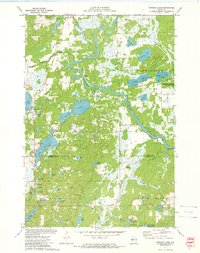 1972 Fireside Lakes1974 Print · USGSThe Chippewa River valley straddles the Rusk and Chippewa County line in the early seventies, a landscape of dense woods and glacial kettle lakes. Genealogists and local historians can trace the rural layout of Big Bend through sites like the Mud Lake Cem, Island Lake Ch, and Hatch Landing.
 - 1972 Map of Bruce, 1974 Print
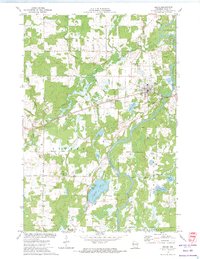 1972 Bruce1974 Print · USGSRusk County at the start of the 1970s shows a landscape shaped by the Chippewa River and the steady presence of the Soo Line railroad. Local historians can trace family roots through sites like St Marys Cem or locate old community centers in Bruce and Apollonia.
 - 1972 Map of Chain Lake, 1974 Print
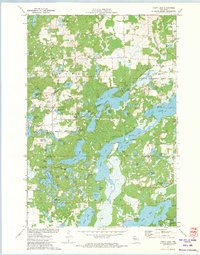 1972 Chain Lake1974 Print · USGSThe Northwoods of Wisconsin are captured in the early seventies, showcasing a dense network of glacial lakes and wilderness along the Rusk and Chippewa county line. Researchers can trace remote campsites like Two Bear Camp and local landmarks like Stang Lookout Tower or the Townhall.
 - 1972 Map of Weyerhauser, 1974 Print
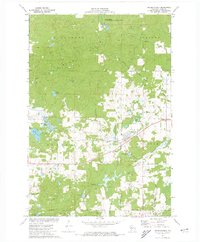 1972 Weyerhauser1974 Print · USGSRusk County at the start of the 1970s is a landscape of glacial hills and timbered wetlands centered on the railroad village of Weyerhauser. Genealogists and local historians can trace family roots at the Polish Cem or locate old homesteads along Norwegian Road and McDermott Rd.
 - 1980 Map of Bloomer
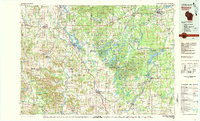 1980 Bloomer1980 Print · USGSNorthwestern Wisconsin at the start of the eighties shows a landscape deeply connected to its rivers and rail lines. Genealogists and historians can trace the growth of Bloomer, Ladysmith, and Chetek or locate local landmarks like Brunet Island State Park and the Soo Line rail corridors.
 - 2010 Map of Bruce, 2010 Print
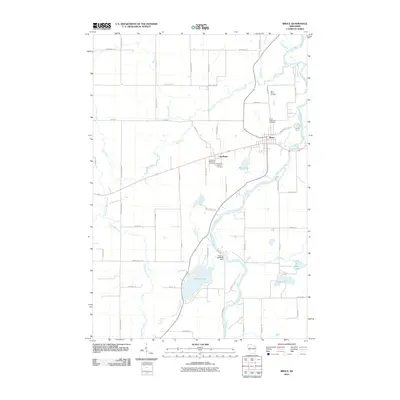 2010 Bruce2010 Print · USGSRusk County at the dawn of the 2010s shows a landscape shaped by the Chippewa River and the village of Bruce. Genealogists and local historians can trace family locations through Saint Marys Cemetery or the two cemeteries at Apollonia, and locate the Amacoy 2WP1881 Dam on Amacoy Lake.
 - 2010 Map of Weyerhaeuser, 2010 Print
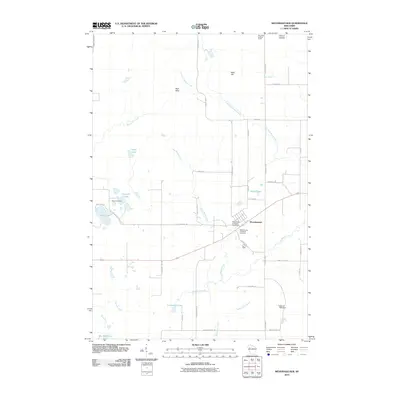 2010 Weyerhaeuser2010 Print · USGSWeyerhaeuser and the surrounding Rusk County lakeland are captured here during the first decade of the 2000s. Researchers can locate family heritage sites like the Polish Cemetery or trace the drainage of the Blue Hills into Cranberry Lake and Two Bear Lake.
 - 2010 Map of Chain Lake, 2010 Print
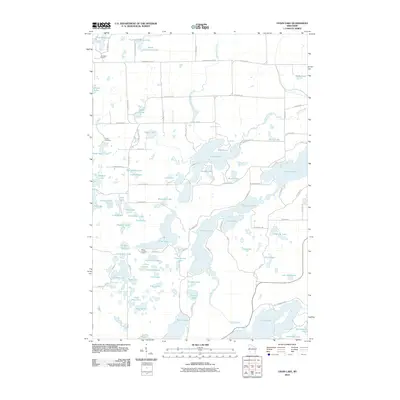 2010 Chain Lake2010 Print · USGSThis part of Rusk County is defined by a dense network of glacial waters and seasonal retreats during the early twenty-first century. Researchers can trace the development of lakeside properties and access points near Stang Lookout Tower, Island Lake, and Two Bear Camp.
 - 2010 Map of Fireside Lakes, 2010 Print
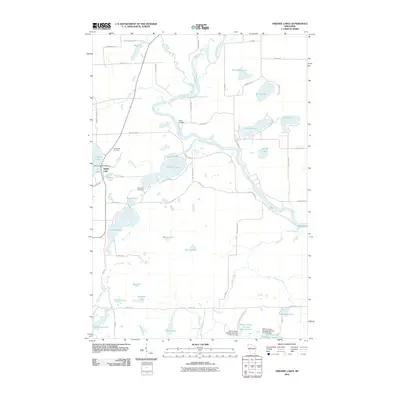 2010 Fireside Lakes2010 Print · USGSRusk County’s lake country is captured here during the early 2000s, showing a landscape defined by the Chippewa River and its many tributaries. Researchers can locate family sites near Island Lake Cemetery or trace the development of the Willow Creek Flowage Number One.
 - 2013 Map of Bruce, 2013 Print
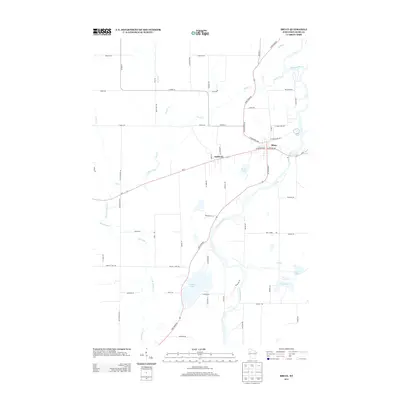 2013 Bruce2013 Print · USGSThe village of Bruce and the settlement of Apollonia are shown in the early 2010s as they sit along the winding Chippewa River. Researchers can trace local landmarks like Amacoy Lake, Bruce Lake, and the rural road network including Sawdust Rd.
 - 2013 Map of Chain Lake, 2013 Print
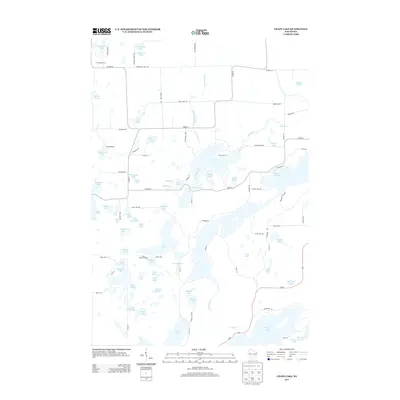 2013 Chain Lake2013 Print · USGSBig Bend and the Rusk County lake country are mapped here during the early twenty-first century. Genealogists and historians can trace the positions of Camp Wahdoon and Two Bear Camp, or locate the prominent Stang Lookout Tower.
 - 2013 Map of Fireside Lakes, 2013 Print
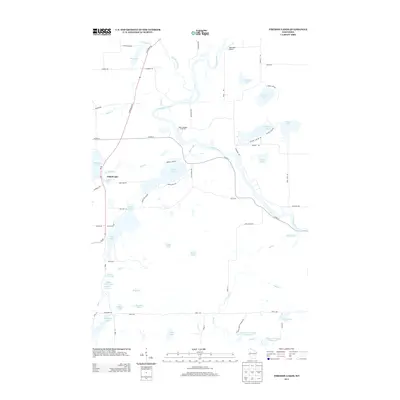 2013 Fireside Lakes2013 Print · USGSNorthern Wisconsin's lake country is captured here during the early twenty-first century, showing the intricate waterways of Rusk County. Trace local landmarks like Hatch Landing on the Chippewa River or the rural surroundings of Taylorport Airport and Fireside Lakes.
 - 2013 Map of Weyerhaeuser, 2013 Print
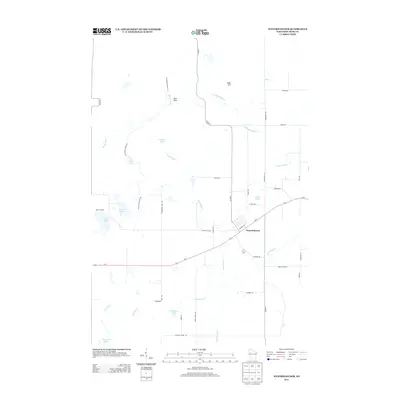 2013 Weyerhaeuser2013 Print · USGSThe village of Weyerhaeuser and the surrounding Rusk County lakeland are captured here just after the first decade of the millennium. Outdoor historians and genealogists can trace the Ice Age Natl Scenic Trl or locate family sites along Historic Rd and Pleasant Ridge Rd.
 - 2015 Map of Weyerhaeuser, 2015 Print
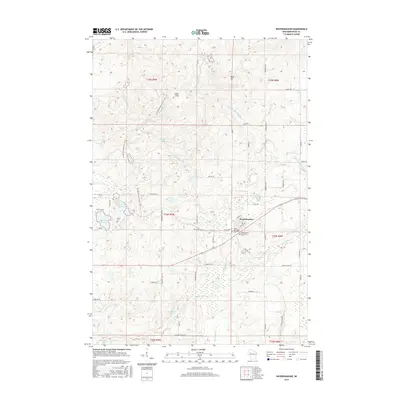 2015 Weyerhaeuser2015 Print · USGSWisconsin's northern timber and rail country is captured here during the mid-2010s, centered on the village of Weyerhaeuser. Researchers can trace local heritage at the Polish Cem and Saints Peter and Paul Cem or follow the Ice Age National Scenic Trail through the Blue Hills.
 - 2015 Map of Bruce, 2015 Print
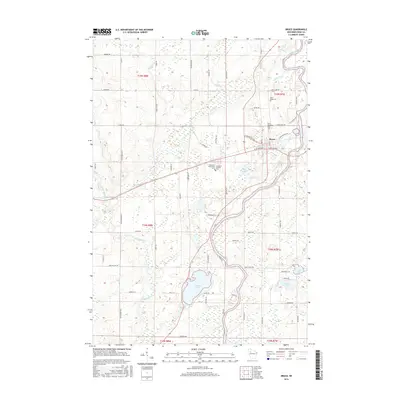 2015 Bruce2015 Print · USGSThe village of Bruce and the winding Chippewa River define this Rusk County landscape in the early twenty-first century. Genealogists and local historians can trace family locations near Saint Marys Cem, Apollonia Protestant Cem, and the shores of Amacoy Lake.
 - 2015 Map of Fireside Lakes, 2015 Print
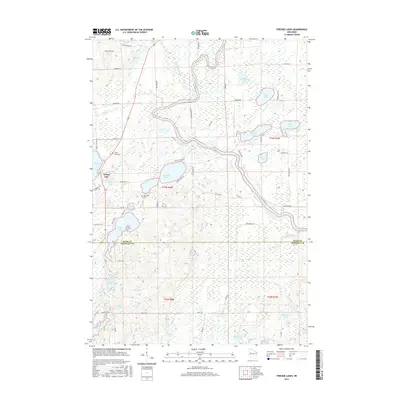 2015 Fireside Lakes2015 Print · USGSThe borderlands of Rusk and Chippewa counties are shown here as they appeared in the early 2010s, defined by an intricate network of glacial lakes and the Chippewa River. Researchers can trace local history through the Island Lake Cem, Mud Lake Cem, and the various family-named roads near Fireside Lakes.
 - 2015 Map of Chain Lake, 2015 Print
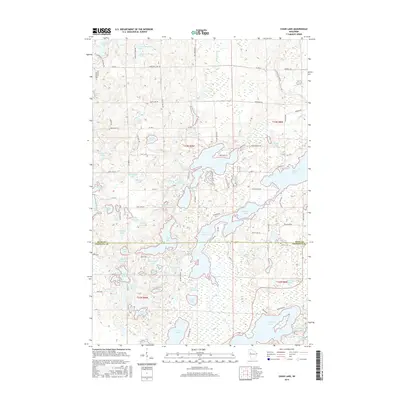 2015 Chain Lake2015 Print · USGSUpper Wisconsin lake country comes to life in the mid-2010s as this survey traces the intricate shorelines of the Big Bend region. Genealogists and local historians can map the many family-named roads and landmarks around Chain Lake, Island Lake, and the historic Schoolhouse Lake.
 - 2018 Map of Bruce, 2018 Print
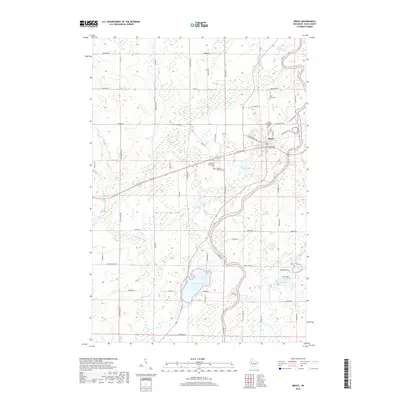 2018 Bruce2018 Print · USGSThe village of Bruce and the surrounding Rusk County timberlands are shown in detail during the late twenty-tens. Researchers can trace local heritage through sites like Saint Marys Cem, Amacoy Lake, and the historic cemeteries near Apollonia.
 - 2018 Map of Weyerhaeuser, 2018 Print
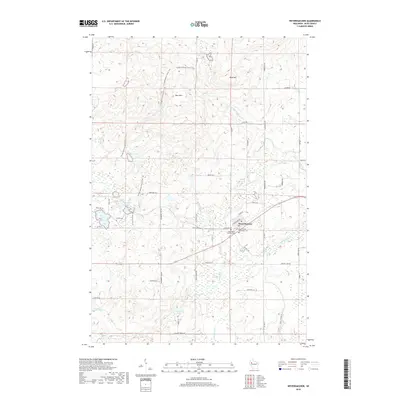 2018 Weyerhaeuser2018 Print · USGSRusk County’s glacial landscapes and the village of Weyerhaeuser are shown here as they appeared in the early twenty-first century. Genealogists and local historians can trace rural family-named roads and locate sites like the Polish Cem or Saints Peter and Paul Cem.
 - 2018 Map of Fireside Lakes, 2018 Print
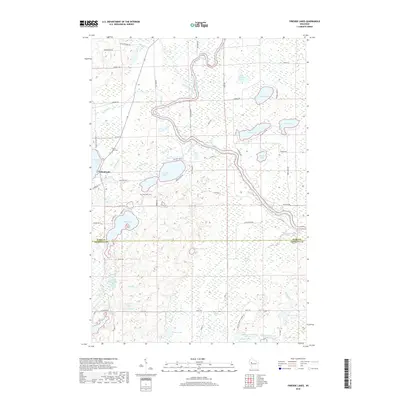 2018 Fireside Lakes2018 Print · USGSThe northern Wisconsin lake country comes into focus in this late 2010s survey of the Rusk and Chippewa county line. Researchers can trace local history at the Island Lake Cem, School Lake, and the numerous named basins like Fireside Lakes and Marsh Lake.
 - 2018 Map of Chain Lake, 2018 Print
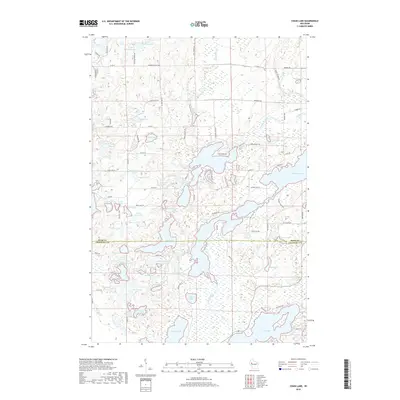 2018 Chain Lake2018 Print · USGSThe Rusk and Chippewa county line in northern Wisconsin is defined by a dense network of glacial kettle lakes. Researchers can trace land tracts near McCann Lake, identify family-named roads like Dzimiela Rd, and locate secluded waters like Hungry Lake.
Showing maps 1-25 of 29
Top cities near Big Bend
- Bloomer historical maps
- Eagle Point historical maps
- Cornell historical maps
- Thornapple historical maps
- Bruce historical maps
- Sumner historical maps
See more
Top neighborhoods of Big Bend
Frequently asked questions
- What are the different types of historical maps available for Big Bend?
- What is the oldest map of Big Bend?
- Where can I purchase historical maps of Big Bend for my home or office?
- Where can I download high-res historical maps of Big Bend?
- Are there historical topographic maps available for Big Bend?
- Is there historical aerial imagery available for Big Bend?
- Where are historical maps of Big Bend sourced from?