Old Maps of Helvetia, Wisconsin for Academic Research
Study the evolution of Helvetia with 19 high-resolution historic maps. Whether you're teaching, researching, or modeling changes in land use, these maps provide essential visual documentation of urban, environmental, and geographic change.
- Analyze long-term change: Track patterns in development, transportation, and natural features.
- Ideal for environmental or urban studies: Support academic projects with primary historical map data.
- Use in the classroom or lab: Educators and researchers rely on these maps to bring historical context to life.
These maps are a powerful tool for teaching, research, and visualizing how Helvetia has changed over the decades.
Helvetia, WI maps
(19)- 1955 Map of Clintonville, 1957 Print
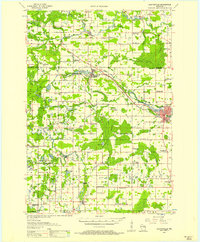 1955 Clintonville1957 Print · USGSClintonville and Marion are shown at a peak of rail-era development in the mid-1950s. Genealogists can trace family roots through numerous rural landmarks like Graceland Cem, the Danish Cem, and one-room schoolhouses such as Sunrise Sch.2 unique versions available
 - 1955 Map of Tigerton, 1957 Print
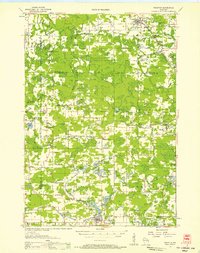 1955 Tigerton1957 Print · USGSThe rural borderlands of Shawano and Waupaca Counties come alive in the mid-1950s, showing a landscape of small schools and river-fed mill towns. Genealogists can trace family landmarks like Alban Chapel, the Hitterdahl Ch, and old rural schoolhouses including Selmer Sch.2 unique versions available
 - 1955 Map of Green Bay, 1968 Print
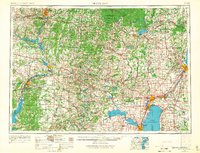 1955 Green Bay1968 Print · USGSCentral and Eastern Wisconsin are captured here in the mid-fifties, showing the industrial growth of the Fox Valley and Wisconsin River corridors. Genealogists and historians can trace rail lines like the Green Bay and Western through settlements like Weyauwega, Clintonville, and Pulaski.2 unique versions available
 - 1970 Map of Symco, 1973 Print
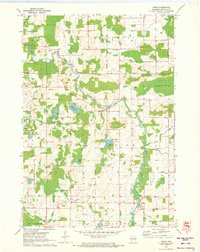 1970 Symco1973 Print · USGSWaupaca County's glacial landscape is meticulously documented here during the early 1970s, as the Little Wolf River carves through a region of scattered dairy farms and woodlots. Researchers can locate early family landmarks like St Pauls Ch and the Danish Cem or trace the drainage of Marble Swamp.
 - 1970 Map of Big Falls, 1973 Print
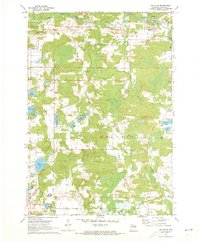 1970 Big Falls1973 Print · USGSWaupaca County's glacial landscape is captured here in the early seventies, centered on the river networks and kettle lakes. Genealogists and local historians can trace family-named sites like Schmidt Corner and Aasen, or follow the Old RR Grade through the woods near Big Falls.
 - 1984 Map of Shawano, 1985 Print
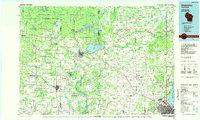 1984 Shawano1985 Print · USGSNortheast Wisconsin in the mid-1980s was a landscape defined by its indigenous heritage and the bustling trade centers of the Fox and Wolf River valleys. Genealogists and historians can trace rail corridors like the Chicago and North Western or locate family sites near Keshena, Cecil, and the Fort Howard Cem.2 unique versions available
 - 1984 Map of Wausau, 1990 Print
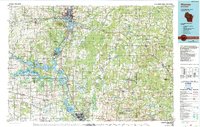 1984 Wausau1990 Print · USGSMarathon and Portage counties come into focus during the mid-eighties as industrial river towns and sprawling conservation areas define the Central Wisconsin landscape. Researchers can trace the rail corridors of the Soo Line or locate rural landmarks like Rib Mountain State Park and St Marys Cem.
 - 1992 Map of Big Falls, 1996 Print
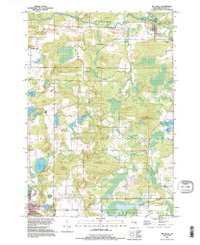 1992 Big Falls1996 Print · USGSWaupaca County in the 1990s reveals a landscape of glacial lakes and river-borne history. Researchers can trace the Old RR Grade through Big Falls or locate family landmarks near Schmidt Corner and Goodhal Lake.
 - 1993 Map of Symco, 1996 Print
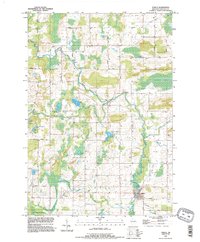 1993 Symco1996 Print · USGSWaupaca County's rural townships are detailed here in the 1990s as a landscape of interconnected kettle lakes and winding river valleys. Researchers can trace family-named roads and locate historical landmarks like the Danish Cem, Symco, and School Section Lake.
 - 2010 Map of Big Falls, 2010 Print
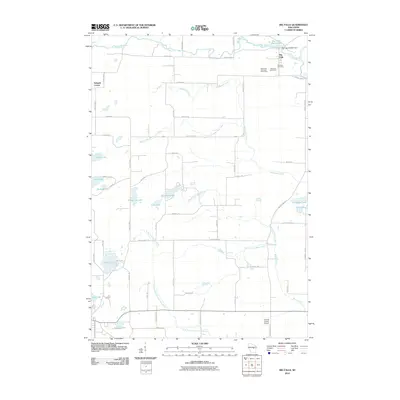 2010 Big Falls2010 Print · USGSThe village of Big Falls and its surrounding dairy lands are captured here just after the first decade of the new millennium. Researchers can trace rural property access along Aasen Rd, locate the Big Falls Cemetery, and find family-named landmarks like the Wyoming Guernsey Stock Farm.
 - 2010 Map of Symco, 2010 Print
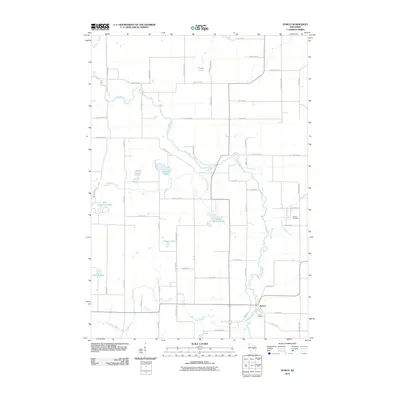 2010 Symco2010 Print · USGSWaupaca County's river-fed landscapes come to life in this survey from the early twenty-first century. Genealogists and local historians can trace family connections at the Danish Cemetery or follow the winding Little Wolf River past Symco.
 - 2013 Map of Symco, 2013 Print
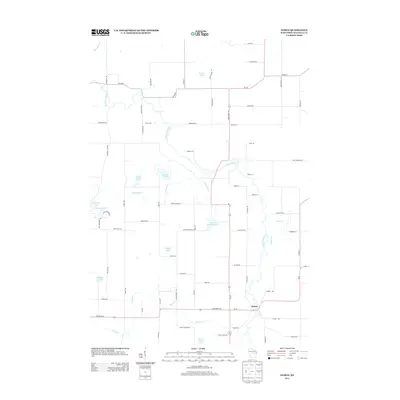 2013 Symco2013 Print · USGSSurrounding the settlement of Symco in the early 21st century, this area is defined by the winding Little Wolf River and its glacial lake system. Researchers can trace land patterns and local genealogy through family-named routes like BEGROW RD and JOSSIE RD.
 - 2013 Map of Big Falls, 2013 Print
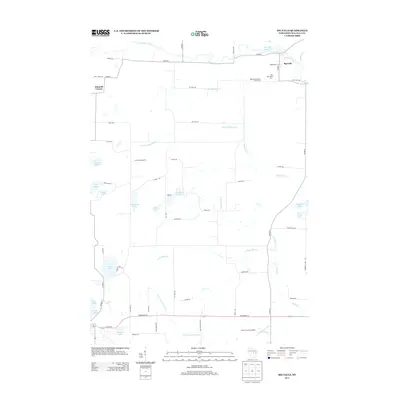 2013 Big Falls2013 Print · USGSBig Falls and the surrounding glacial lake country of Waupaca County appear here in the early twenty-first century. Researchers can trace rural dairy operations like the Wyoming Guernsey Stock Farm and family landmarks near Schmidt Corner or the Central County Airport.
 - 2015 Map of Big Falls, 2015 Print
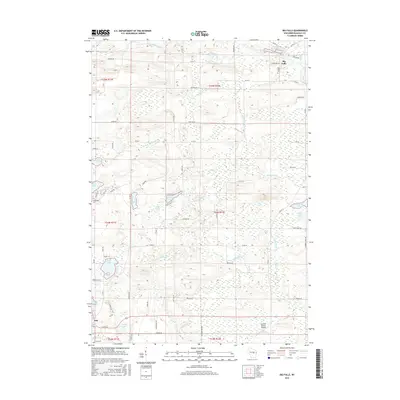 2015 Big Falls2015 Print · USGSWaupaca County's rural character is documented here in the mid-2010s, centered on the villages of Big Falls and Iola. Researchers can trace local heritage at Hitterdahl Cem, locate the Central County Airport, or explore the shoreline of Iola Lake.
 - 2016 Map of Symco, 2016 Print
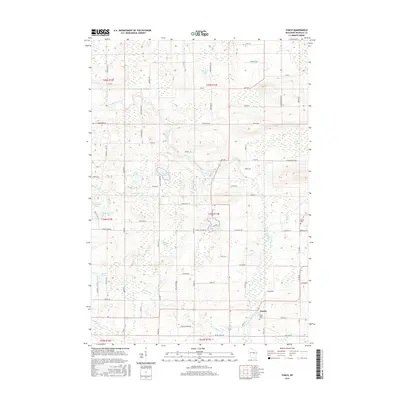 2016 Symco2016 Print · USGSWaupaca County's rural landscape is defined by the winding Little Wolf River and its surrounding wetlands in the twenty-first century. Researchers can trace family history through local landmarks like Union Cem, Danish Cem, and the quiet community of Symco.
 - 2018 Map of Symco, 2018 Print
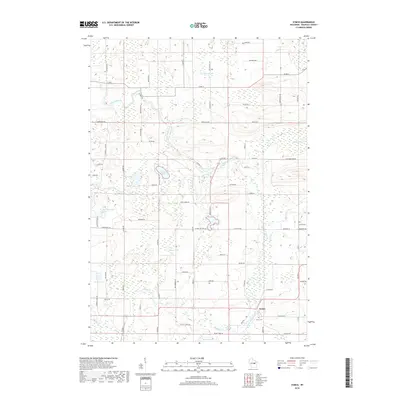 2018 Symco2018 Print · USGSThe rural landscape of Waupaca County is centered on the Little Wolf River and the crossroads of Symco in this 2018 survey. Genealogists and local historians can trace legacy land plots near Union Cem, Danish Cem, and the extensive wetlands of Marble Swamp.
 - 2018 Map of Big Falls, 2018 Print
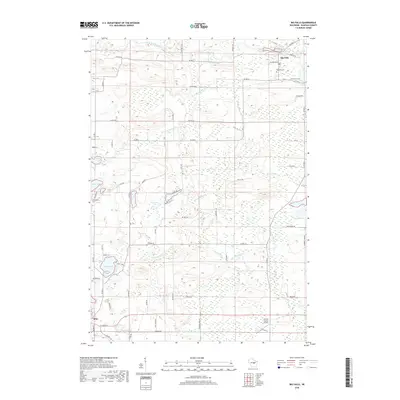 2018 Big Falls2018 Print · USGSWaupaca County in the late 2010s reveals a landscape of scattered glacial lakes and quiet river branches. Researchers can pinpoint ancestral sites at Big Falls Cem and Hitterdahl Cem or trace the waters of Hatch Lake and the Little Wolf River.
 - 2022 Map of Big Falls, 2022 Print
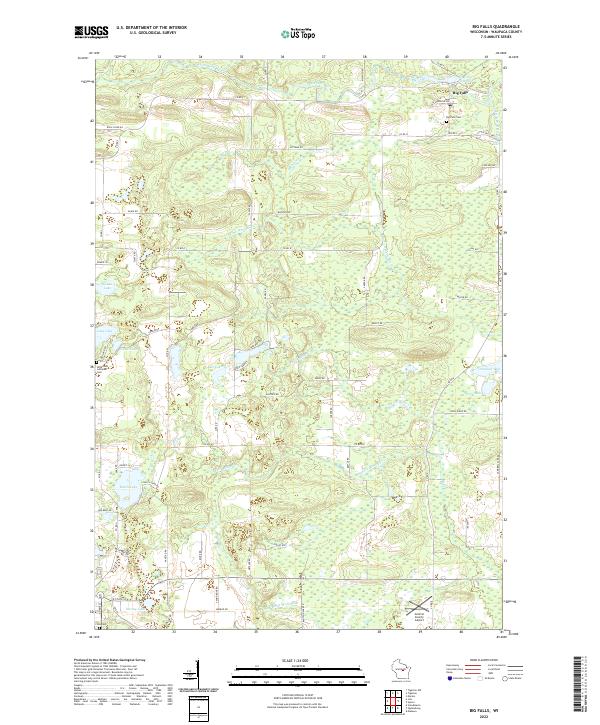 2022 Big Falls2022 Print · USGSBig Falls and the surrounding Waupaca County wetlands appear here as they were in the early 2020s, showing a landscape defined by glacial lakes and river forks. Researchers can locate family sites near the Hitterdahl Lutheran Cem or trace the drainage of the Little Wolf River and S Fork Blake Cr.
 - 2022 Map of Symco, 2022 Print
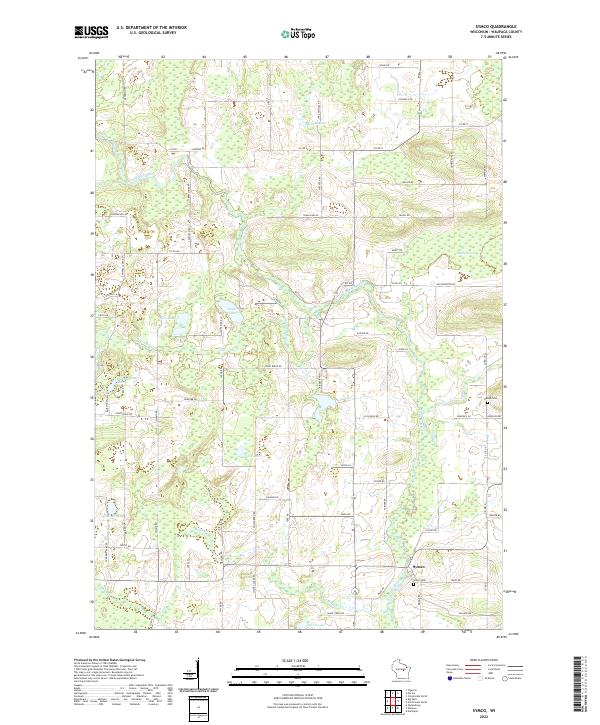 2022 Symco2022 Print · USGSThe Symco area of Waupaca County comes into focus here, showing the rural landscape as it appeared in the early twenty-first century. Genealogists and local historians can trace family locations near the Little Wolf River, Union Cem, and Danish Cem.
End of results
Showing maps 1-19 of 19
Top cities near Helvetia
- Waupaca historical maps
- Weyauwega historical maps
- Manawa historical maps
- Marion historical maps
- Iola historical maps
- Wittenberg historical maps
See more
Frequently asked questions
- What are the different types of historical maps available for Helvetia?
- What is the oldest map of Helvetia?
- Where can I purchase historical maps of Helvetia for my home or office?
- Where can I download high-res historical maps of Helvetia?
- Are there historical topographic maps available for Helvetia?
- Is there historical aerial imagery available for Helvetia?
- Where are historical maps of Helvetia sourced from?