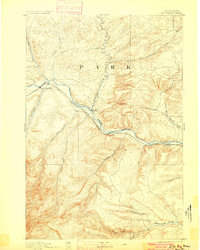
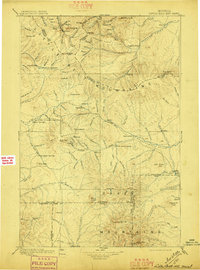
1893 Map of Big Timber
USGS Topo · Published 1900About this map
Big Timber serves as the central hub of this 1889 survey, situated where the Boulder River joins the Yellowstone River. The landscape is defined by the early infrastructure of the Northern Pacific Railroad, which mirrors the river’s path through the valley. At a time when bridges were sparse, the Harrison Ferry provided a critical crossing point between Big Timber and Greycliff. The map details a complex network of drainage basins, including Bridger Creek and the Stillwater River to the south, and Sweet Grass Creek to the north. These watercourses and their many named tributaries, such as Jackstone Creek and Countryman Creek, illustrate the topographic challenges faced by early Montana settlers and railroad engineers as they established ranching and transit corridors across this part of the state.
Find a feature on this map
22 named features on this map. Tap any name to fly to it.
Don’t see what you’re looking for? This feature index may not catch every label — zoom into the map to look around manually.
Map Details
Editions of this 1893 Big Timber Map
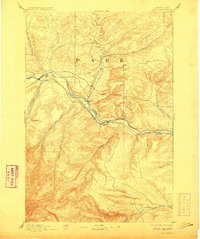
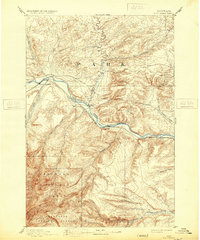
4 editions found
Other maps of this area
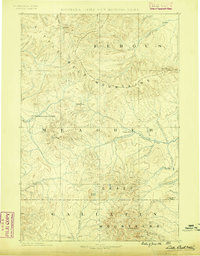
1886 · Little Belt Mts.
USGS Topo · 1:250,000
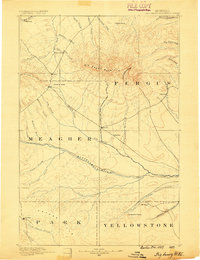
1889 · Big Snowy Mountain
USGS Topo · 1:250,000
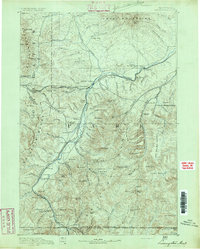
1891 · Livingston
USGS Topo · 1:250,000
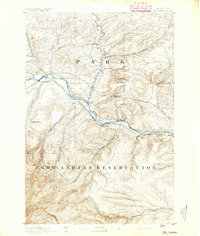
1891 · Big Timber
USGS Topo · 1:125,000
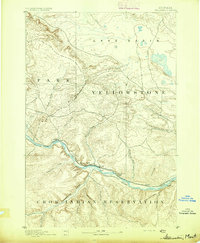
1892 · Stillwater
USGS Topo · 1:125,000
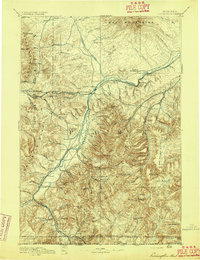
1893 · Livingston
USGS Topo · 1:250,000
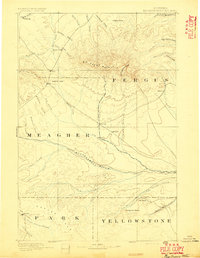
1893 · Big Snowy Mountain
USGS Topo · 1:250,000
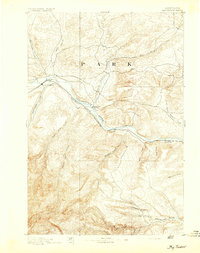
1893 · Big Timber
USGS Topo · 1:125,000
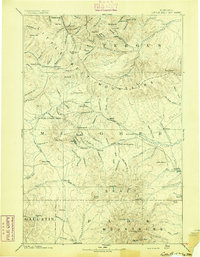
1894 · Little Belt Mts.
USGS Topo · 1:250,000
1897 · Little Belt Mts.
USGS Topo · 1:250,000