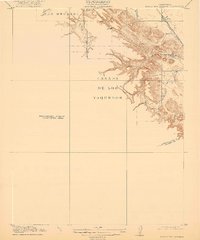
1916 Map of Byron Hot Springs
USGS Topo · Published 1922About this map
Byron Hot Springs serves as the focal point of this 1910s era study, situated at the eastern edge of the coastal range where the foothills meet the flatlands of the San Joaquin Valley. This particular survey is unusual for its large Preliminary Edition Unsurveyed Area, leaving much of the western portion blank while providing high-resolution topographic detail for the populated corridor to the east. The settlement of Byron is positioned along the Southern Pacific railroad line, which served as the primary transit artery for the region's agricultural and resort interests. The landscape is defined by the historic land grants of Canada De Los Vaqueros and Los Meganos, with drainage provided by Kellogg Creek and Brushy Creek. The map records the interface between Contra Costa and Alameda counties, capturing the transition from undeveloped ranch lands to the early twentieth-century rail-head economy.
Find a feature on this map
10 named features on this map. Tap any name to fly to it.
Don’t see what you’re looking for? This feature index may not catch every label — zoom into the map to look around manually.
Map Details
Editions of this 1916 Byron Hot Springs Map
2 editions found
Other maps of this area
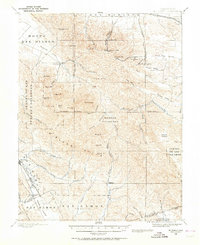
1896 · Mt. Diablo
USGS Topo · 1:62,500
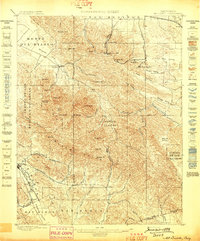
1898 · Mt. Diablo
USGS Topo · 1:62,500
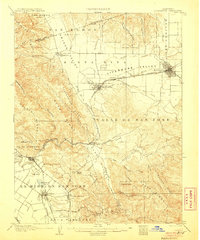
1906 · Pleasanton
USGS Topo · 1:62,500
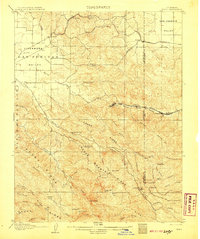
1907 · Tesla
USGS Topo · 1:62,500
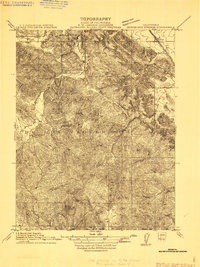
1911 · Byron Hot Springs
USGS Topo · 1:31,680
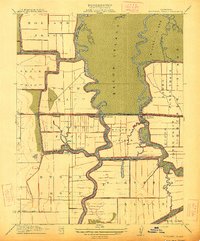
1913 · Woodward Island
USGS Topo · 1:31,680
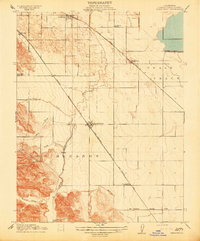
1914 · Brentwood
USGS Topo · 1:31,680
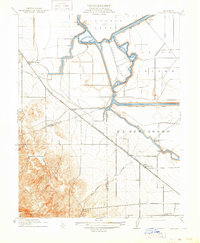
1914 · Bethany
USGS Topo · 1:31,680
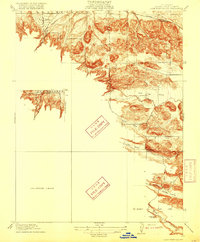
1916 · Lone Tree Valley
USGS Topo · 1:31,680
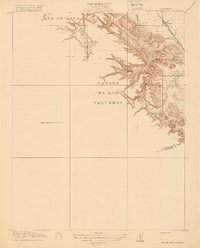
1916 · Byron Hot Springs
USGS Topo · 1:31,680