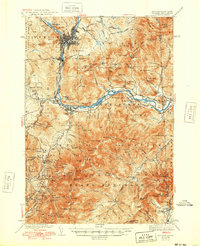
1942 Map of Gorham
USGS Topo · Published 1948About this map
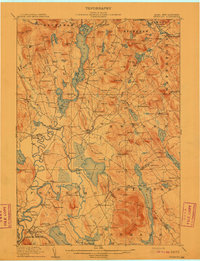
The Androscoggin River carves a deep valley through the heart of this terrain, serving as the primary corridor for the Grand Trunk and Boston and Maine railroads. The industrial center of Berlin dominates the north, while Gorham serves as a gateway to the peaks of the White Mountain National Forest. This 1930s-era survey captures a landscape of intense recreational development and traditional New England settlement. The presence of specialized infrastructure like the Dolly Copp Forest Camp and the AMC Hut at Carter Notch reflects the growth of backcountry tourism during the interwar years. Further east, the village of Shelburne and the settlement at Alpine maintain their positions along the river, while the complex network of footpaths including the Appalachian Trail and Daniel Webster Trail indicates a transition toward a managed wilderness economy.
Find a feature on this map
165 named features on this map. Tap any name to fly to it.
Don’t see what you’re looking for? This feature index may not catch every label — zoom into the map to look around manually.
Map Details
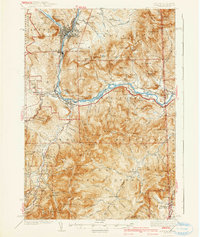
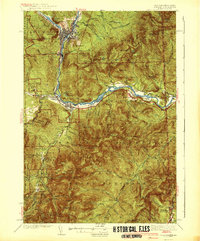
Editions of this 1942 Gorham Map
3 editions found
Other maps of this area
1893 · Mt. Washington
USGS Topo · 1:62,500
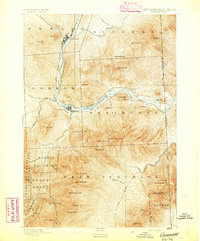
1893 · Gorham
USGS Topo · 1:62,500
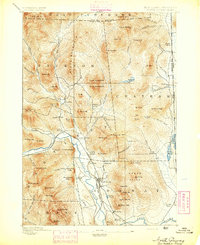
1894 · North Conway
USGS Topo · 1:62,500
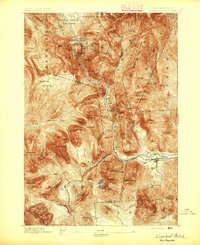
1895 · Crawford Notch
USGS Topo · 1:62,500
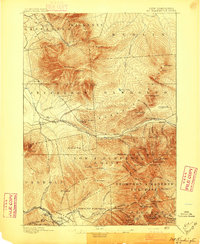
1896 · Mt. Washington
USGS Topo · 1:62,500
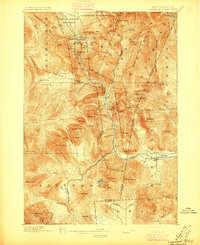
1896 · Crawford Notch
USGS Topo · 1:62,500
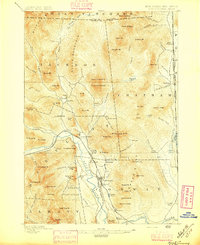
1896 · North Conway
USGS Topo · 1:62,500
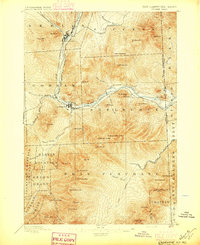
1896 · Gorham
USGS Topo · 1:62,500
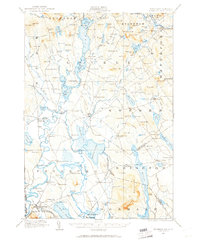
1909 · Fryeburg
USGS Topo · 1:62,500
1911 · Fryeburg
USGS Topo · 1:62,500