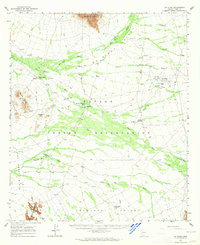
1963 Map of Gu Oidak
USGS Topo · Published 1964About this map
The Papago Indian Reservation landscape is defined by its seasonal watercourses and scattered settlements in this mid-century survey. Settlements like Vamori and Gu Oidak serve as anchors in the desert, often centered around cultural landmarks such as St Francis Mission and St Thomas Mission. The map reveals a complex network of Jeep Trails and fences that crisscross the arid floor of the Tecolote Valley and The Great Plain, reflecting the pastoral and transit patterns of the era.
Find a feature on this map
32 named features on this map. Tap any name to fly to it.
Don’t see what you’re looking for? This feature index may not catch every label — zoom into the map to look around manually.
Map Details
Editions of this 1963 Gu Oidak Map
2 editions found
Other maps of this area
1934 · Silver Bell
USGS Topo · 1:125,000
1937 · Comobabi
USGS Topo · 1:48,000
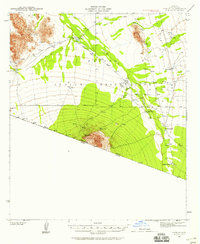
1941 · Vamori
USGS Topo · 1:62,500
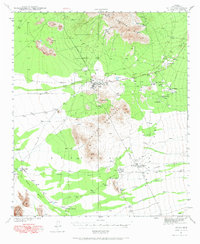
1941 · Sells
USGS Topo · 1:62,500
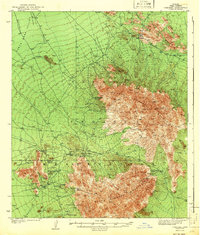
1942 · Comobabi
USGS Topo · 1:62,500
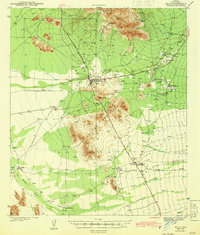
1943 · Sells
USGS Topo · 1:62,500
1943 · Fresnal
USGS Topo · 1:125,000
1943 · Vamori
USGS Topo · 1:62,500
1953 · Ajo
USGS Topo · 1:250,000
1954 · Sonoyta
USGS Topo · 1:250,000