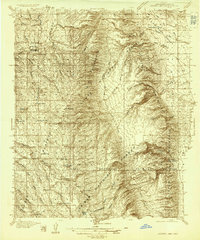
1936 Map of Jacobs Lake
USGS Topo · Published 1936About this map
The Kaibab Plateau dominates this mid-1930s landscape, defined by a series of isolated sinks, lakes, and high-elevation ranger outposts. As part of the Kaibab National Forest, the region shows a transition from the plateau's forested heights down toward the arid expanses of House Rock Valley. Transportation in this era relied on a network of truck trails, such as the Valley Truck Trail and Parker Truck Trail, which branched off from the primary Grand Canyon Highway. Natural water catchments were essential for local utility, marked by numerous small bodies including Jacobs Lake, Joes Mud Hole, and Mule and Half Lake. The presence of the Jacobs Lake Ranger Station and Kane Springs Ranger Station underscores the administrative and protective presence in this remote Arizona wilderness before modern infrastructure expanded.
Find a feature on this map
49 named features on this map. Tap any name to fly to it.
Don’t see what you’re looking for? This feature index may not catch every label — zoom into the map to look around manually.
Map Details
Editions of this 1936 Jacobs Lake Map
This is the sole edition of this map. No revisions or reprints were ever made.
Other maps of this area
1886 · Echo Cliffs
USGS Topo · 1:250,000
1886 · Kaibab
USGS Topo · 1:250,000
1891 · Echo Cliffs
USGS Topo · 1:250,000
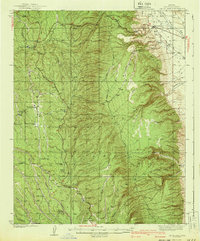
1940 · Jacob Lake
USGS Topo · 1:62,500
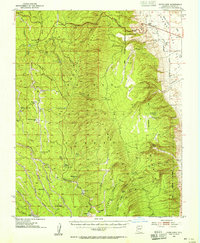
1953 · Jacobs Lake
USGS Topo · 1:62,500
1953 · Grand Canyon
USGS Topo · 1:250,000
1954 · Emmett Wash NW
USGS Topo · 1:24,000
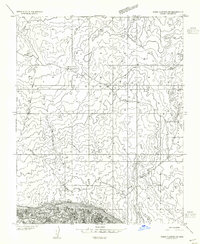
1954 · Paria Plateau SW
USGS Topo · 1:24,000
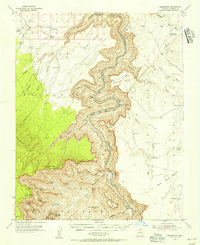
1954 · Nankoweap
USGS Topo · 1:62,500
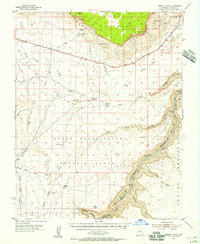
1954 · Emmett Wash
USGS Topo · 1:62,500