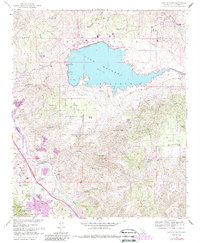
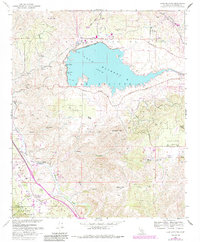
1967 Map of Lake Mathews
USGS Topo · Published 1988About this map
Lake Mathews dominates the northern half of this landscape, its waters contained by the Mathews Dam and linked to the massive Colorado River Aqueduct system. The map reveals a land of transition between engineered water infrastructure and preserved wilderness, with the Cleveland National Forest and Gavilan Plateau providing a stark contrast to the development near Cajalco Road. Local history is prominent through specific markers such as the Site of the First House in Riverside County and an Indian Pictographs Historical Marker located near Temescal Wash. The southern terrain is defined by prominent peaks like Estelle Mtn and Gavilan Peak, while the local economy is represented by the Cajalco Tin Mine and the resort character of Glen Ivy Hot Springs. This 1967 survey, updated with 1980s revisions, illustrates the complex intersection of early California history and mid-century water management.
Find a feature on this map
30 named features on this map. Tap any name to fly to it.
Don’t see what you’re looking for? This feature index may not catch every label — zoom into the map to look around manually.
Map Details
Editions of this 1967 Lake Mathews Map
5 editions found
Other maps of this area
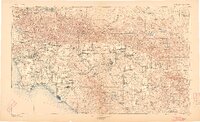
1901 · Southern California Sheet No. 1
USGS Topo · 1:250,000
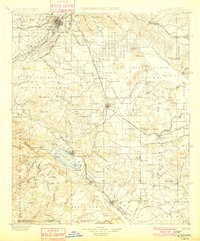
1901 · Elsinore
USGS Topo · 1:125,000
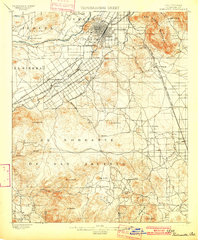
1901 · Riverside
USGS Topo · 1:62,500
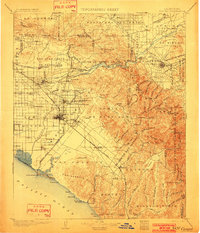
1902 · Corona
USGS Topo · 1:125,000
1904 · Southern California Sheet No. 1
USGS Topo · 1:250,000
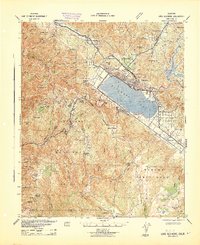
1942 · Lake Elsinore
USGS Topo · 1:62,500
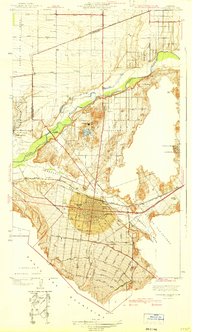
1942 · Corona and Vicinity
USGS Topo · 1:31,680
1942 · Riverside and Vicinity
USGS Topo · 1:31,680
1942 · Santiago Peak
USGS Topo · 1:62,500
1942 · Corona
USGS Topo · 1:62,500