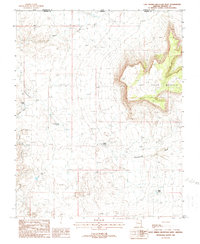
1988 Map of Lost Spring Mountain West
USGS Topo · Published 1988About this map
Lost Spring Mountain dominates the eastern horizon of this arid landscape in the late twentieth century, where the high Arizona desert meets the Utah border. This territory is defined by its scarce water sources and intermittent drainage systems, which have historically supported ranching and transit through a network of isolated springs and seasonal washes. Evidence of land use is visible through the several corrals and 4wd tracks that thread through the terrain, connecting vital watering points like Antelope Spring, Cottonwood Spring, and Lytle Spring. The map documents a specific environmental and logistical state of the Arizona-Utah borderlands, where the deep incisions of Cottonwood Wash and Clayhole Wash serve as primary geographical markers for those navigating the Mohave County backcountry.
Find a feature on this map
14 named features on this map. Tap any name to fly to it.
Don’t see what you’re looking for? This feature index may not catch every label — zoom into the map to look around manually.
Map Details
Editions of this 1988 Lost Spring Mountain West Map
This is the sole edition of this map. No revisions or reprints were ever made.
Other maps of this area
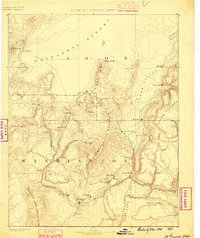
1885 · St. George
USGS Topo · 1:250,000
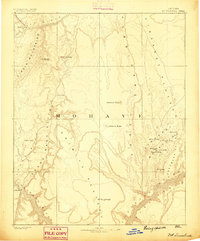
1886 · Mt. Trumbull
USGS Topo · 1:250,000
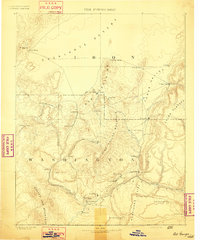
1891 · St. George
USGS Topo · 1:250,000
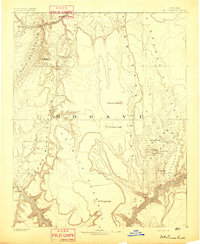
1892 · Mt. Trumbull
USGS Topo · 1:250,000
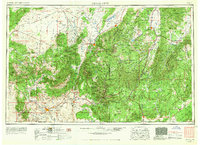
1953 · Cedar City
USGS Topo · 1:250,000
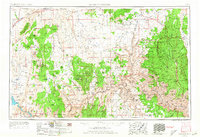
1953 · Grand Canyon
USGS Topo · 1:250,000
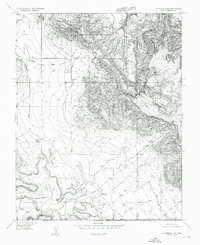
1954 · La Verkin 4 SE
USGS Topo · 1:24,000
1954 · La Verkin 4 SW
USGS Topo · 1:24,000
1954 · Lost Spring SE
USGS Topo · 1:24,000
1954 · Hurricane Cliffs 2 NE
USGS Topo · 1:24,000