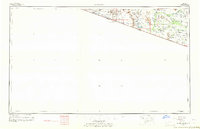
1963 Map of Lukeville
USGS Topo · Published 1964About this map
The international boundary between the United States and Mexico defines the southern reach of this desert landscape, where the U S Customs and Immigration Reserve stands at Lukeville. This mid-century survey documents the vast Papago Indian Reservation and the protected lands of Organ Pipe Cactus National Monument. The arid terrain is marked by essential water sources like Menagers Lake, Salt Well, and Hocker Springs, which historically supported remote outposts and travel routes.
Find a feature on this map
74 named features on this map. Tap any name to fly to it.
Don’t see what you’re looking for? This feature index may not catch every label — zoom into the map to look around manually.
Map Details
Editions of this 1963 Lukeville Map
2 editions found
Other maps of this area
1934 · Silver Bell
USGS Topo · 1:125,000
1937 · Comobabi
USGS Topo · 1:48,000
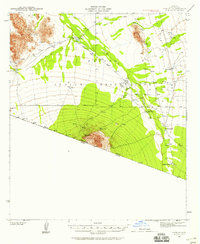
1941 · Vamori
USGS Topo · 1:62,500
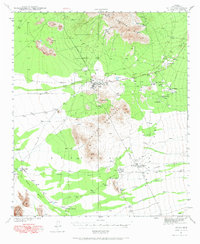
1941 · Sells
USGS Topo · 1:62,500
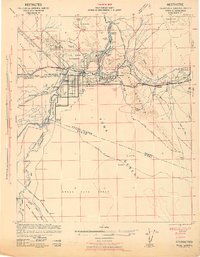
1942 · Yuma
USGS Topo · 1:250,000
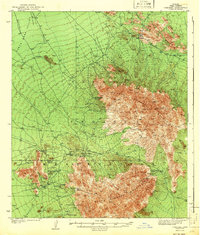
1942 · Comobabi
USGS Topo · 1:62,500
1943 · Sells
USGS Topo · 1:62,500
1943 · Fresnal
USGS Topo · 1:125,000
1943 · Vamori
USGS Topo · 1:62,500
1953 · Ajo
USGS Topo · 1:250,000