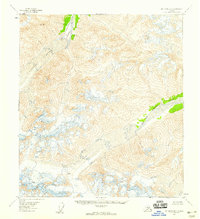
1955 Map of Mount Hayes B-2
USGS Topo · Published 1959About this map
Johnson Glacier and the massive Robertson Glacier dominate this interior Alaskan landscape, their frozen reaches carved by numerous crevasses and feeding several glacial river systems. The northern reaches of the quadrangle follow the braided path of the Johnson River, while the southeastern corner is defined by the West Fork Robertson River. Mapped in the mid-1950s using photogrammetric methods from 1954 aerial photography, the sheet records the high-altitude topography of the Alaska Range before modern climatic shifts altered these ice fields. The lack of named roads or human settlements emphasizes the character of this region as a high-elevation wilderness, where the primary geographical features are the complex contour lines of mountain ridges and the ice-filled valleys between them.
Find a feature on this map
5 named features on this map. Tap any name to fly to it.
Don’t see what you’re looking for? This feature index may not catch every label — zoom into the map to look around manually.
Map Details
Editions of this 1955 Mount Hayes B-2 Map
2 editions found
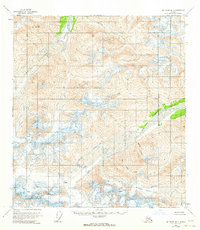
Other maps of this area
1949 · Mt. Hayes A-1
USGS Topo · 1:63,360
1950 · Mount Hayes
USGS Topo · 1:250,000
1950 · Mount Hayes A-3
USGS Topo · 1:63,360
1951 · Mount Hayes
USGS Topo · 1:250,000
1952 · Mount Hayes A-3
USGS Topo · 1:63,360
1954 · Mount Hayes B-1
USGS Topo · 1:63,360
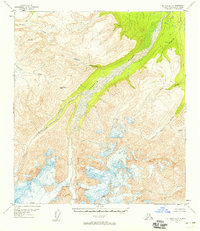
1954 · Mount Hayes C-3
USGS Topo · 1:63,360
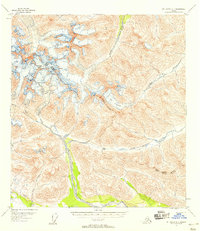
1954 · Mount Hayes A-1
USGS Topo · 1:63,360
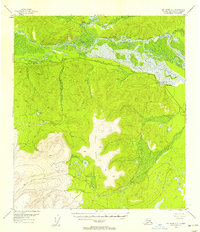
1954 · Mount Hayes C-1
USGS Topo · 1:63,360
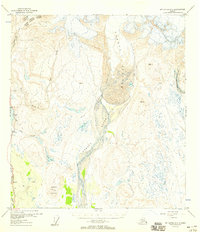
1954 · Mount Hayes A-3
USGS Topo · 1:63,360