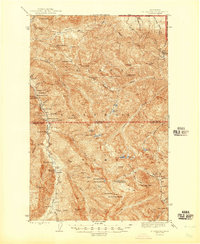
1946 Map of Mt. Angeles
USGS Topo · Published 1946About this map
Olympic National Park defines this 1946 study, showing the high-altitude interior of the Olympic Peninsula before modern infrastructure altered back-country access. The map reveals a specialized landscape of early 20th-century forest management and mountain recreation, marked by numerous backcountry shelters and ranger facilities. Essential outposts such as the Elkhorn Guard Sta and Dose Meadow Guard Station are documented alongside a network of camps used by early mountaineers and surveyors, including Camp Baltimore and the European-inflected Chateau Camp.
Find a feature on this map
73 named features on this map. Tap any name to fly to it.
Don’t see what you’re looking for? This feature index may not catch every label — zoom into the map to look around manually.
Map Details
Editions of this 1946 Mt. Angeles Map
2 editions found
Other maps of this area
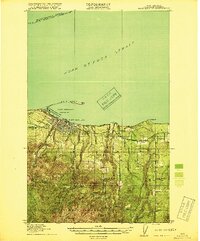
1918 · Port Angeles
USGS Topo · 1:62,500
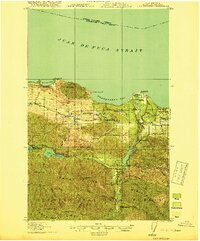
1919 · Port Crescent
USGS Topo · 1:62,500
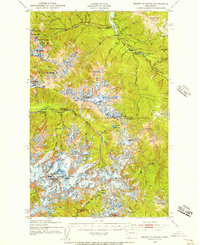
1935 · Mount Olympus
USGS Topo · 1:62,500
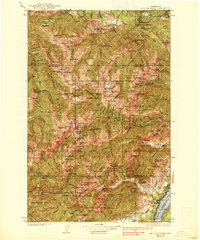
1938 · Mt Constance
USGS Topo · 1:125,000
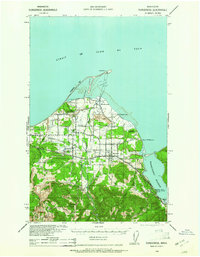
1938 · Dungeness
USGS Topo · 1:62,500
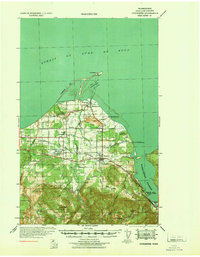
1939 · Dungeness
USGS Topo · 1:62,500
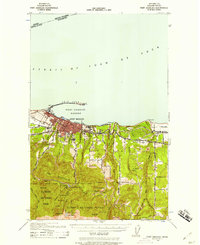
1941 · Port Angeles
USGS Topo · 1:62,500
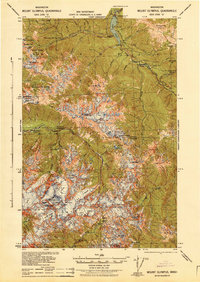
1942 · Mount Olympus
USGS Topo · 1:62,500
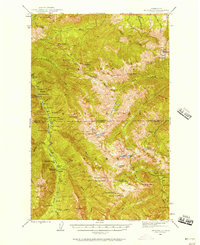
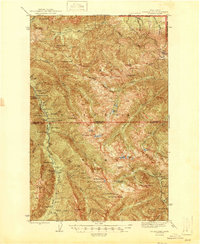
1944 · Mt. Angeles
USGS Topo · 1:62,500
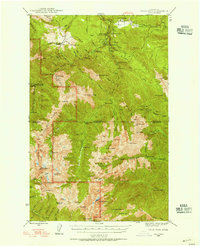
1946 · Tyler Peak
USGS Topo · 1:62,500