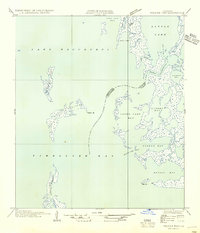
1954 Map of Pelican Pass
USGS Topo · Published 1954About this map
Pelican Pass divides the coastal marshlands and open waters where Terrebonne and Lafourche Parish meet. This 1930s-era examination, compiled from aerial photographs, reveals a complex network of wetlands and tidal inlets before the significant coastal erosion of the late 20th century. The landscape is dotted with small settlements and outposts like Philo and Camp, which serve as markers for human activity in this aqueous environment. Large bodies of water such as Lake Raccourci and Timbalier Bay are separated by fragmented landmasses including West Island, the Brush Islands, and the Cassetete Islands. Navigational features with distinct local names, such as Wrong Name Pass and Blue Bayou, illustrate the intricate waterway system essential for local travel and trade during this period.
Find a feature on this map
27 named features on this map. Tap any name to fly to it.
Don’t see what you’re looking for? This feature index may not catch every label — zoom into the map to look around manually.
Map Details
Editions of this 1954 Pelican Pass Map
This is the sole edition of this map. No revisions or reprints were ever made.
Other maps of this area
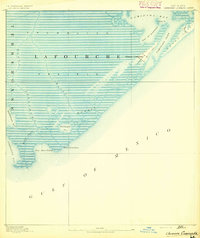
1892 · Cheniere Caminada
USGS Topo · 1:62,500
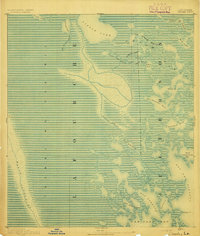
1892 · Creole
USGS Topo · 1:62,500
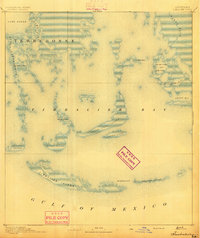
1894 · Timbalier
USGS Topo · 1:62,500
1894 · Lake Felicity
USGS Topo · 1:62,500
1935 · Timbalier Island
USGS Topo · 1:31,680
1935 · Bay Courant
USGS Topo · 1:31,680
1935 · Pelican Pass
USGS Topo · 1:31,680
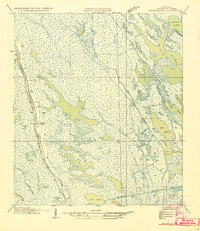
1935 · Mink Bayou
USGS Topo · 1:31,680
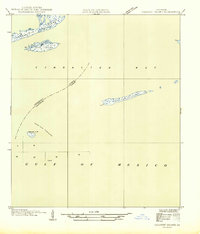
1935 · Calumet Island
USGS Topo · 1:31,680
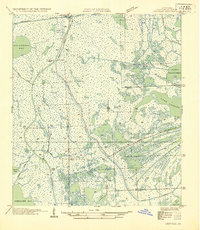
1935 · Leeville
USGS Topo · 1:31,680