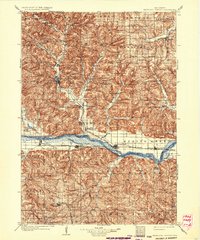
1905 Map of Richland Center
USGS Topo · Published 1934About this map
Richland Center serves as the focal point of this early twentieth-century landscape, where the northern Driftless Area topography transitions into the wide valley of the Wisconsin River. The river corridor acts as a primary artery for both commerce and transport, carrying the Chicago Milwaukee and St. Paul railroad through riverside towns like Muscoda, Avoca, and Spring Green. The map captures a transitional moment for rural mail delivery, specifically noting Gotham P.O. Richland City and Beach P.O., while the interior is dotted with numerous small crossroads such as Sextonville, Bear Valley, and Rockbridge. Steep-sided valleys carved by Willow Creek, Honey Creek, and the Pine River define the local settlement patterns, forcing roads and villages into the narrow corridors between high ridges and the distinct Twin Bluffs.
Find a feature on this map
86 named features on this map. Tap any name to fly to it.
Don’t see what you’re looking for? This feature index may not catch every label — zoom into the map to look around manually.
Map Details
Editions of this 1905 Richland Center Map
2 editions found
Other maps of this area
1900 · Lancaster
USGS Topo · 1:125,000
1901 · Denzer
USGS Topo · 1:62,500
1901 · The Dells
USGS Topo · 1:62,500
1902 · Mineral Point
USGS Topo · 1:125,000
1904 · Lancaster
USGS Topo · 1:125,000
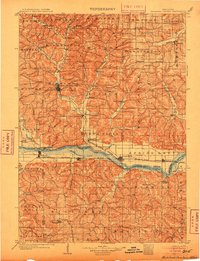
1905 · Richland Center
USGS Topo · 1:125,000
1908 · Lancaster
USGS Topo · 1:125,000
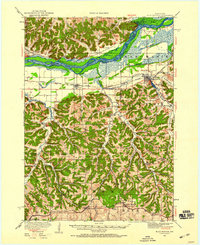
1920 · Blue Mounds
USGS Topo · 1:62,500
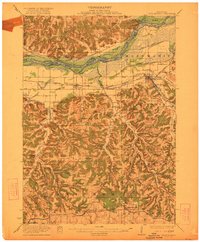
1922 · Blue Mounds
USGS Topo · 1:62,500
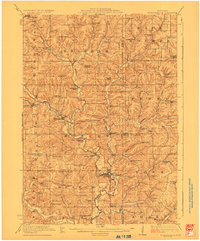
1923 · Blanchardville
USGS Topo · 1:62,500