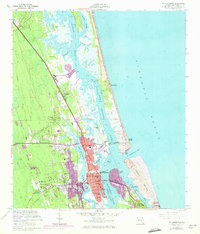
1956 Map of St. Augustine
USGS Topo · Published 1972About this map
St Augustine serves as the focal point of this coastal landscape, revealing the historic layout of the city between the San Sebastian River and the Matanzas River. The map details significant cultural and institutional landmarks, from the Castillo de San Marcos National Mon at the water's edge to the State Deaf and Blind Institute and the Florida Industrial College. The transportation network is anchored by the Florida East Coast railroad and the iconic Bridge of Lions, which connects the mainland to Davis Shores and Anastasia.
Find a feature on this map
62 named features on this map. Tap any name to fly to it.
Don’t see what you’re looking for? This feature index may not catch every label — zoom into the map to look around manually.
Map Details
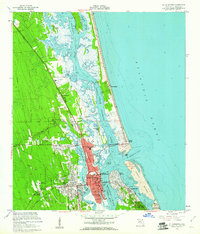
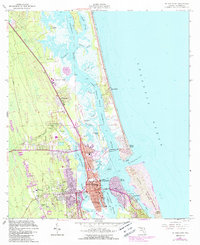
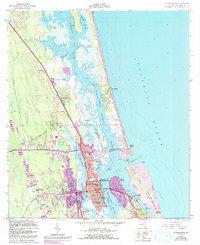
Editions of this 1956 St. Augustine Map
4 editions found
Other maps of this area
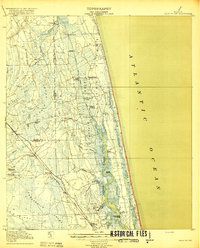
1918 · Palm Valley
USGS Topo · 1:62,500
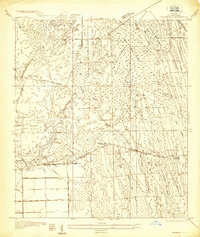
1937 · Bakersville
USGS Topo · 1:24,000
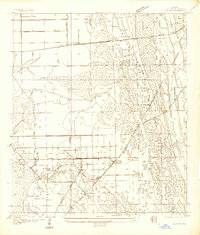
1937 · Elkton
USGS Topo · 1:24,000
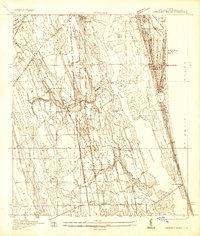
1937 · Crescent Beach
USGS Topo · 1:24,000
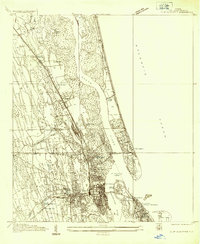
1937 · St. Augustine
USGS Topo · 1:24,000
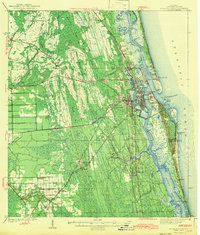
1943 · St. Augustine
USGS Topo · 1:62,500
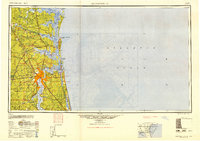
1948 · Jacksonville
USGS Topo · 1:250,000
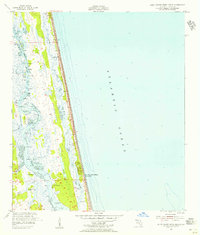
1952 · South Ponte Vedra Beach
USGS Topo · 1:24,000
1952 · Durbin
USGS Topo · 1:24,000
1954 · Daytona Beach
USGS Topo · 1:250,000