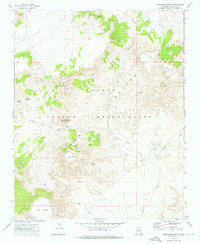
1973 Map of Sunflower Butte
USGS Topo · Published 1976About this map
High desert mesas and significant drainage networks define this 1970s landscape within the Navajo Indian Reservation. The terrain is dominated by geological landmarks like the expansive Malpais Mesa and the prominent Sunflower Butte. These landforms provided natural navigational aids for pastoral activities in Navajo County, as evidenced by the distribution of water sources across the arid environment. Vital water points such as Dalkai Spring, Ram Spring, and the Sunflower Butte Well supported local livestock and seasonal movement through the region. The map also traces the winding paths of the Pueblo Colorado Wash and Gleshbito Wash, which carve through the volcanic and sedimentary layers. Scattered human presence is indicated by modest improvements like the Corral and Paddock in the northwestern reaches, showing the persistence of traditional land use and grazing patterns in the Arizona high country.
Find a feature on this map
21 named features on this map. Tap any name to fly to it.
Don’t see what you’re looking for? This feature index may not catch every label — zoom into the map to look around manually.
Map Details
Editions of this 1973 Sunflower Butte Map
This is the sole edition of this map. No revisions or reprints were ever made.
Other maps of this area
1883 · Tusayan
USGS Topo · 1:250,000
1886 · Tusayan
USGS Topo · 1:250,000
1947 · Flagstaff
USGS Topo · 1:250,000
1954 · Flagstaff
USGS Topo · 1:250,000
1958 · Flagstaff
USGS Topo · 1:250,000
1960 · Flagstaff
USGS Topo · 1:250,000
1962 · Flagstaff
USGS Topo · 1:250,000
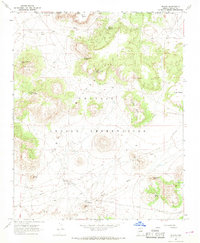
1967 · Dilkon
USGS Topo · 1:24,000
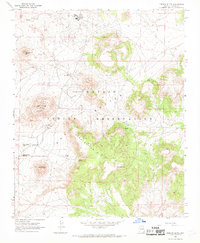
1967 · French Butte
USGS Topo · 1:24,000
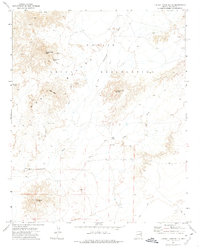
1972 · Turkey Track Butte
USGS Topo · 1:24,000