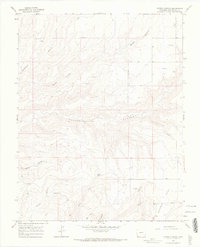
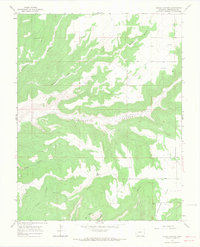
1965 Map of Woods Canyon
USGS Topo · Published 1967About this map
Indian Ruins dot the high plateaus and canyon rims of this Montezuma County landscape, recorded during a 1964 aerial survey. The terrain is defined by a series of deep drainages, including the prominent Yellowjacket Canyon and Woods Canyon, which carve through the sandstone toward the southwest. This mid-1960s perspective captures a remote corner of Colorado where ancient archaeological sites sit adjacent to modern resource extraction, evidenced by scattered Oil Well locations and a Drill Hole in the northern sections.
Find a feature on this map
15 named features on this map. Tap any name to fly to it.
Don’t see what you’re looking for? This feature index may not catch every label — zoom into the map to look around manually.
Map Details
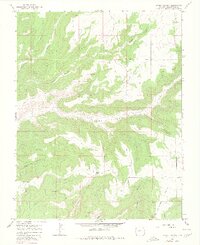
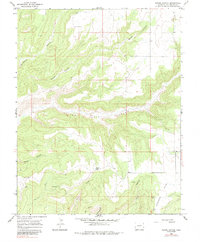
Editions of this 1965 Woods Canyon Map
4 editions found
Other maps of this area
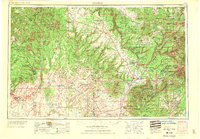
1956 · Cortez
USGS Topo · 1:250,000
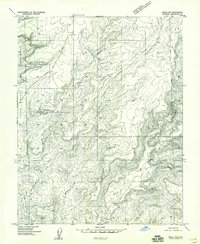
1957 · Moqui NW
USGS Topo · 1:24,000
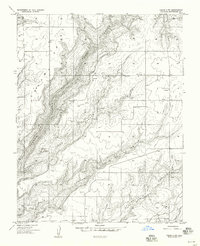
1957 · Cedar 3 SW
USGS Topo · 1:24,000
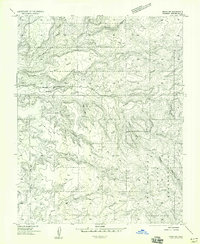
1957 · Moqui SW
USGS Topo · 1:24,000
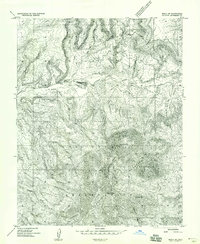
1957 · Moqui SE
USGS Topo · 1:24,000
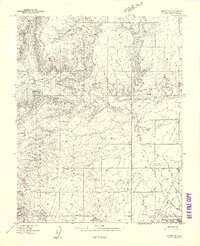
1958 · Cortez SW
USGS Topo · 1:24,000
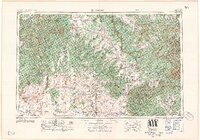
1958 · Cortez
USGS Topo · 1:250,000
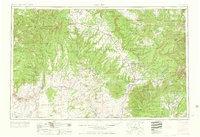
1959 · Cortez
USGS Topo · 1:250,000
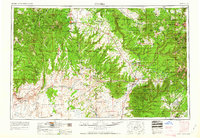
1962 · Cortez
USGS Topo · 1:250,000
1965 · Woods Canyon
USGS Topo · 1:24,000