Old Maps of Ohatchee, Alabama for Genealogy
Trace your family roots with 36 historic maps of Ohatchee. These high-res maps reveal old neighborhoods, homesites, landmarks, and streets — helping you uncover where your ancestors lived and how the area evolved over time.
- Explore historic neighborhoods: Identify where your relatives may have lived in the 1800s or 1900s.
- Compare maps over time: Trace the changes in streets, buildings, and landmarks for multi-generational research.
- Perfect for genealogy & ancestry research: Used by family historians and researchers to map out lineage and migration.
These maps are an incredible resource for exploring your personal connection to Ohatchee's past.
Ohatchee, AL maps
(36)- 1889 Map of Springville
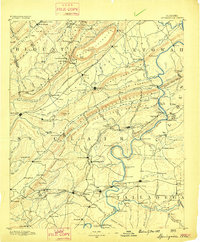 1889 Springville1889 Print · USGSSt. Clair County and its neighbors are mapped here during the late Victorian era as railroads began to transform the old plantation and river economy. Genealogists can locate family landmarks like Henry's Mill, trace the path of Jackson's Trace, or find the location of old river crossings at Colman's Ferry.
 - 1892 Map of Springville
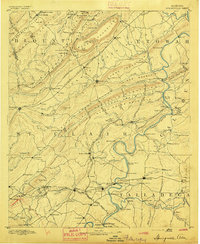 1892 Springville1892 Print · USGSNortheast Alabama at the end of the nineteenth century is a landscape of river crossings and expanding rail lines. Genealogists can trace family footprints at St. Clair Springs, Greensport, and numerous river crossings like Colman's Ferry or Goodwin's Mill.7 unique versions available
 - 1900 Map of Anniston
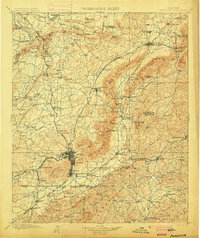 1900 Anniston1900 Print · USGSNortheast Alabama thrived as a railroad and industrial crossroads at the turn of the century. Genealogists and researchers can trace family landmarks and early transport hubs from the Coosa River to Anniston, including Salt Creek Church and Fowler Ferry.6 unique versions available
 - 1947 Map of Ragland, 1953 Print
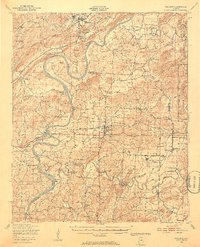 1947 Ragland1953 Print · USGSIn the late 1940s, the Coosa River valley was a landscape of deep-rooted rural communities and growing military installations. Genealogists can trace family landmarks like Rhodes Chapel and old mills such as Martins Mill or Francis Mill.3 unique versions available
 - 1947 Map of Wellington, 1953 Print
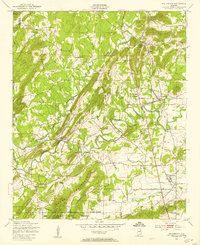 1947 Wellington1953 Print · USGSNortheast Alabama in the late 1940s reveals a landscape of ridge-top lookouts and busy rail junctions. Genealogists can trace family roots at Crooks Cem, locate Union Ch, or follow the tracks through Wellington and Alexandria.
 - 1947 Map of Francis Mill, 1953 Print
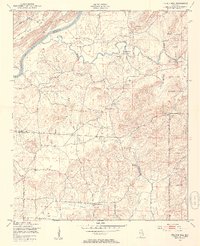 1947 Francis Mill1953 Print · USGSCalhoun and Talladega counties appear just after the war, showing a landscape transitioning between traditional milling and major military installations. Researchers can locate family landmarks like Bailey Springs Sch, Refuge Ch, and the site of Francis Mill.4 unique versions available
 - 1947 Map of Jacksonville, 1953 Print
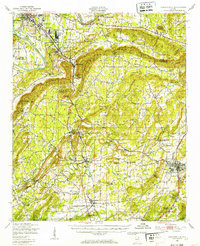 1947 Jacksonville1953 Print · USGSPostwar Etowah and Calhoun counties show a unique mix of expanding industrial centers and deeply rooted rural communities. Local historians can trace early school sites like Webster Sch and long-standing spiritual hubs such as Tredegar Chapel or Friendship Ch.
 - 1947 Map of Steele, 1953 Print
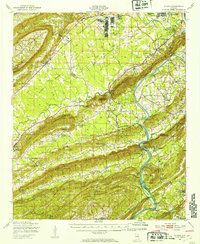 1947 Steele1953 Print · USGSMid-century Alabama life centered on the river and rail corridors between Gadsden and Ashville. Genealogists can locate family landmarks like Morgans Crossroad, Old Harmony Ch Cem, and the decommissioned Camp Sibert.2 unique versions available
 - 1949 Map of Ohatchee, 1953 Print
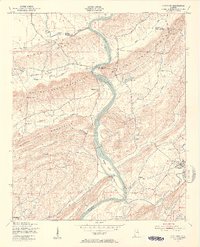 1949 Ohatchee1953 Print · USGSThe Coosa River valley in the late 1940s shows a landscape of steep ridges and tight-knit river settlements along the Calhoun and St. Clair county lines. Local historians can trace the paths of the Seaboard Air Line and find sites like Francis Ferry, Greensport, and Ten Island Ch.5 unique versions available
 - 1953 Map of Birmingham, 1964 Print
 1953 Birmingham1964 Print · USGSCentral Alabama at mid-century shows a landscape defined by industrial expansion and the iron-rich ridges surrounding Birmingham. Researchers can trace the extensive rail networks of the L & N RR or locate historic federal sites like the Anniston Ordnance Depot.4 unique versions available
 - 1953 Map of Atlanta, 1965 Print
 1953 Atlanta1965 Print · USGSThe growing Atlanta metro and the industrial corridors of Eastern Alabama are captured here during the mid-century transition. Researchers can trace the rail-to-road shift through hubs like Anniston and La Grange or locate sites within Fort McClellan.2 unique versions available
 - 1956 Map of Birmingham
 1956 Birmingham1956 Print · USGSCentral Alabama in the mid-fifties exhibits a landscape of growing cities and deep-rooted industrial corridors. Genealogists and historians can trace the development of suburban Mountain Brook or locate regional hubs like Sylacauga and Jasper.
 - 1956 Map of Wellington, 1960 Print
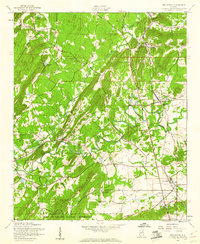 1956 Wellington1960 Print · USGSThe rail-and-creek landscape of Calhoun County is captured here in the mid-fifties, showing the vital junction at Wellington. Genealogists and historians can trace family roots at Crooks Cem, Reads Mill, and several country churches like Hopewell Ch.4 unique versions available
 - 1957 Map of Birmingham
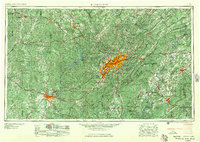 1957 Birmingham1957 Print · USGSNorth-Central Alabama in the mid-fifties is an industrial powerhouse centered on the steel valleys and sprawling iron ridges. Genealogists and historians can trace the rail-linked growth of Birmingham and Tuscaloosa, or locate rural landmarks like Talladega College and the Anniston Ordnance Depot.
 - 1957 Map of Atlanta
 1957 Atlanta1957 Print · USGSAtlanta and the Alabama borderlands appear here in the mid-fifties, capturing the region's post-war suburban and industrial transition. Trace the development of early transport hubs and military sites like Fort McPherson, Anniston, and the Kennesaw Mountain National Battlefield Park.
 - 1958 Map of Atlanta
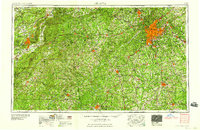 1958 Atlanta1958 Print · USGSMid-century Georgia and Alabama are shown in this regional study of the corridor between the Chattahoochee River and the Appalachian foothills. Local historians can trace the development of suburban Atlanta alongside vital landmarks like Stone Mountain, Dobbins AFB, and the Seaboard Air Line rail routes.
 - 1975 Map of Ohatchee, 1977 Print
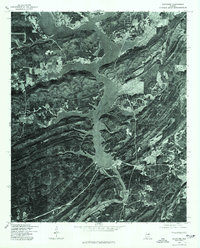 1975 Ohatchee1977 Print · USGSThe Coosa River valley in the mid-1970s reveals a landscape defined by its major reservoirs. Trace the shoreline of H Neely Henry Lake and the settlement of Ohatchee as they appeared just before the close of the decade.
 - 1975 Map of Francis Mill, 1977 Print
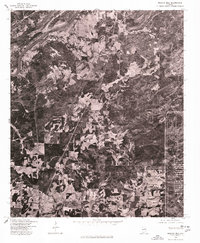 1975 Francis Mill1977 Print · USGSCalhoun County in the mid-1970s is shown here through detailed aerial imagery rather than standard line drawings. Trace rural property lines and land use patterns near the Coosa River and the small settlement of Francis Mill.
 - 1981 Map of Anniston, 1982 Print
 1981 Anniston1982 Print · USGSNortheast Alabama and the Georgia borderlands come alive in the early eighties, showing a landscape of heavy industry, military outposts, and mountain forests. Genealogists and historians can trace the development of towns like Anniston and Carrollton, or locate landmarks such as Whitesides Mill and Webster Chapel.2 unique versions available
 - 1984 Map of Birmingham North, 1985 Print
 1984 Birmingham North1985 Print · USGSNorth Alabama in the mid-eighties shows the bustling intersection of the Appalachian foothills and the Deep South's industrial heart. Genealogists and historians can trace the paths of the Southern Railway and Seaboard System Railroad through towns like Oneonta, Leeds, and Springville.2 unique versions available
 - 2011 Map of Francis Mill, 2011 Print
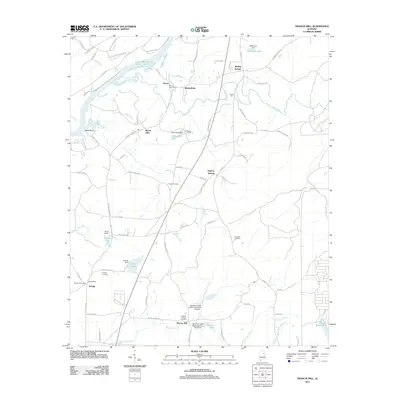 2011 Francis Mill2011 Print · USGSNortheast Alabama’s rural landscapes are detailed here in the early twenty-first century, showing the transition from historic mill sites to modern watershed management. Researchers can locate family landmarks like Pattons Chapel Cemetery and trace the paths of Francis Mill and Jackson Trace Rd.
 - 2011 Map of Wellington, 2011 Print
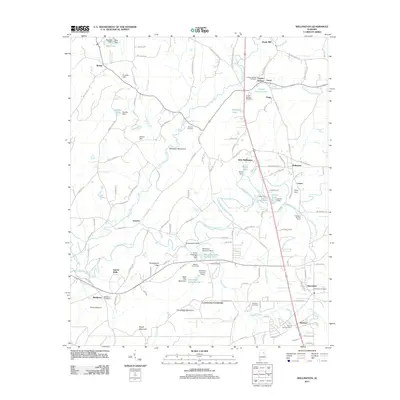 2011 Wellington2011 Print · USGSThe Alexandria Valley and surrounding ridges appear here in the early twenty-first century, showcasing a landscape of ancient crossroads and family-named landmarks. Researchers can trace rural lineages through numerous burial sites like Gladden Cemetery and old post offices at Martins Crossroads.
 - 2012 Map of Ohatchee, 2012 Print
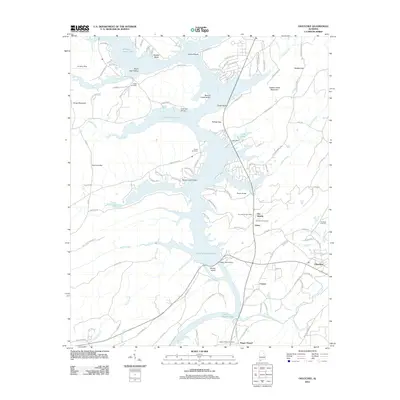 2012 Ohatchee2012 Print · USGSThe Coosa River valley in the early twenty-first century is defined by its massive reservoirs and lakeside communities. Genealogists and historians can trace the foundations of Ten Islands and Greensport, or locate the Ten Islands Post Office and Heald Cemetery.
 - 2014 Map of Wellington, 2014 Print
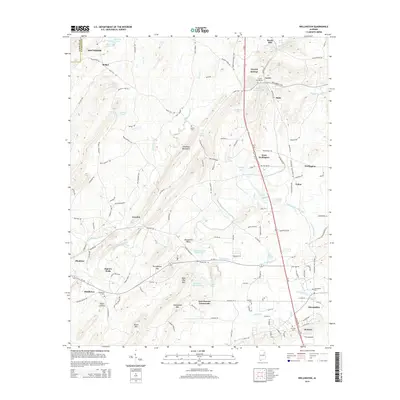 2014 Wellington2014 Print · USGSEastern Alabama's rural corridor between Ohatchee and Alexandria is documented here in the early twenty-first century. Genealogists and local historians can trace family locations through numerous sites like Reads Mill, Crystal Springs Cem, and Lowrimores Crossroads.
 - 2014 Map of Ohatchee, 2014 Print
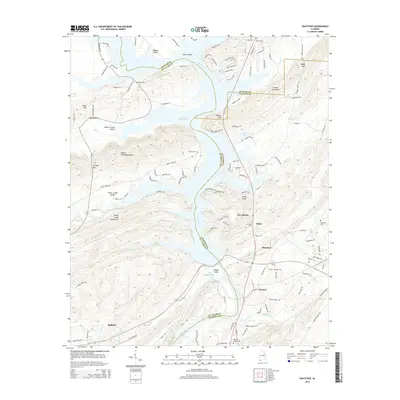 2014 Ohatchee2014 Print · USGSThe Coosa River valley at the tri-county border of Etowah, Calhoun, and St. Clair counties shows a landscape of modern reservoirs and ancient ridges. Genealogists can trace family roots through Ohatchee Cem and Ragan Chapel Cem or locate the site of Cochran Springs.
Showing maps 1-25 of 36
Top cities near Ohatchee
- Gadsden historical maps
- Oxford historical maps
- Anniston historical maps
- Pell City historical maps
- Rainbow City historical maps
- Saks historical maps
See more
Top neighborhoods of Ohatchee
Frequently asked questions
- What are the different types of historical maps available for Ohatchee?
- What is the oldest map of Ohatchee?
- Where can I purchase historical maps of Ohatchee for my home or office?
- Where can I download high-res historical maps of Ohatchee?
- Are there historical topographic maps available for Ohatchee?
- Is there historical aerial imagery available for Ohatchee?
- Where are historical maps of Ohatchee sourced from?