Old Maps of Abanda, Alabama for Academic Research
Study the evolution of Abanda with 11 high-resolution historic maps. Whether you're teaching, researching, or modeling changes in land use, these maps provide essential visual documentation of urban, environmental, and geographic change.
- Analyze long-term change: Track patterns in development, transportation, and natural features.
- Ideal for environmental or urban studies: Support academic projects with primary historical map data.
- Use in the classroom or lab: Educators and researchers rely on these maps to bring historical context to life.
These maps are a powerful tool for teaching, research, and visualizing how Abanda has changed over the decades.
Abanda, AL maps
(11)- 1891 Map of Ashland
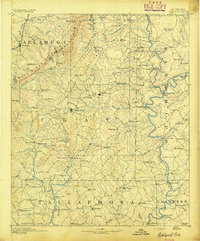 1891 Ashland1891 Print · USGSEast Central Alabama in the late nineteenth century is defined by the sharp ridges of the mountains and the vital crossings of the Tallapoosa River. Genealogists can trace family movements across Malone's Ferry or locate vanished sites like the Pine Tuckey Town Site and Ironaton.5 unique versions available
 - 1953 Map of Atlanta, 1965 Print
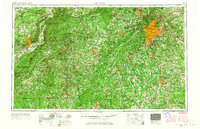 1953 Atlanta1965 Print · USGSThe growing Atlanta metro and the industrial corridors of Eastern Alabama are captured here during the mid-century transition. Researchers can trace the rail-to-road shift through hubs like Anniston and La Grange or locate sites within Fort McClellan.2 unique versions available
 - 1957 Map of Atlanta
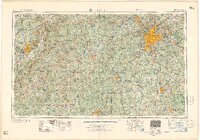 1957 Atlanta1957 Print · USGSAtlanta and the Alabama borderlands appear here in the mid-fifties, capturing the region's post-war suburban and industrial transition. Trace the development of early transport hubs and military sites like Fort McPherson, Anniston, and the Kennesaw Mountain National Battlefield Park.
 - 1958 Map of Atlanta
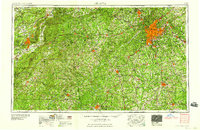 1958 Atlanta1958 Print · USGSMid-century Georgia and Alabama are shown in this regional study of the corridor between the Chattahoochee River and the Appalachian foothills. Local historians can trace the development of suburban Atlanta alongside vital landmarks like Stone Mountain, Dobbins AFB, and the Seaboard Air Line rail routes.
 - 1969 Map of Wadley South, 1973 Print
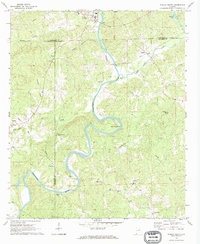 1969 Wadley South1973 Print · USGSThe Tallapoosa River valley in eastern Alabama was a region of remote crossroads and river bends in the late sixties. Genealogists and local historians can trace the foundations of communities like Frog Eye, Abanda, and the family-named Sims Cem or Bibbys Ferry.
 - 1978 Map of La Grange, 1980 Print
 1978 La Grange1980 Print · USGSThe Alabama-Georgia borderlands are captured here in the late seventies, just as the newly formed West Point Lake reshaped the eastern landscape. Local historians can trace the Seaboard Coast Line rail corridor through hubs like Roanoke, Ashland, and Lineville.
 - 2011 Map of Wadley South, 2011 Print
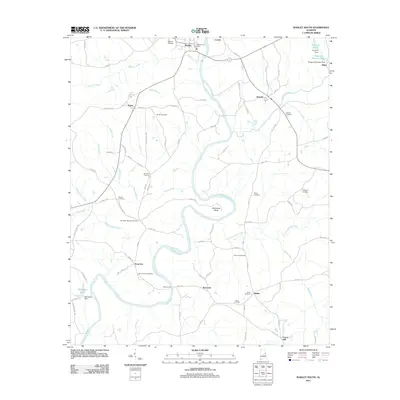 2011 Wadley South2011 Print · USGSSouthern Randolph County and the Wadley area are mapped here during the early 21st century as the Tallapoosa River winds through the landscape. Genealogists can trace family roots through numerous local burial sites like Beulah Cemetery, Shiloh Cemetery, and the Bibby Family Cemetery.
 - 2014 Map of Wadley South, 2014 Print
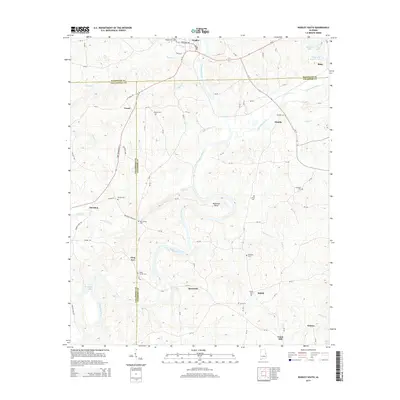 2014 Wadley South2014 Print · USGSThe Tallapoosa River valley south of Wadley comes to life in this detailed modern survey of the Alabama countryside. Genealogists can trace family footprints across numerous sites including Frog Eye, the Bibby Family Cem, and Muleshoe Bend.
 - 2018 Map of Wadley South, 2018 Print
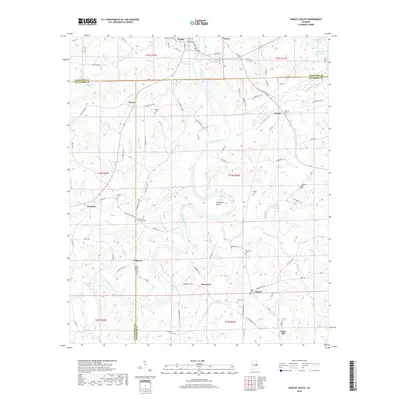 2018 Wadley South2018 Print · USGSThe Tallapoosa River valley in eastern Alabama is captured here in detail, showcasing a landscape of winding river bends and small rural communities. Genealogists and local historians can trace family sites at Beulah Cem, Frog Eye, and the remote Bibby Family Cem.
 - 2020 Map of Wadley South, 2020 Print
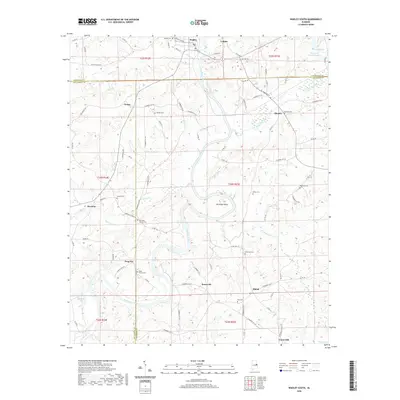 2020 Wadley South2020 Print · USGSEast Alabama's river-carved landscape comes into focus here, showing the rural communities of Randolph, Chambers, and Tallapoosa counties. Genealogists can trace family roots through numerous sites like Bibby Family Cem, Frog Eye, and Abanda.
 - 2024 Map of Wadley South, 2024 Print
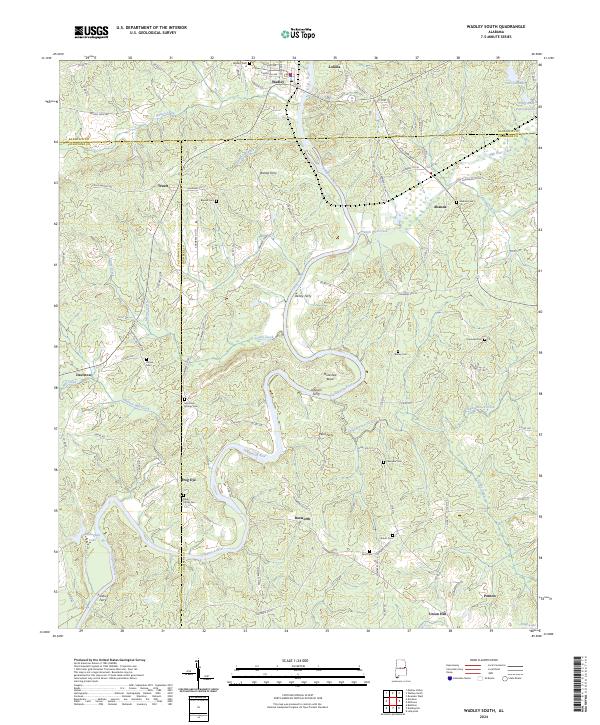 2024 Wadley South2024 Print · USGSEastern Alabama's river-driven geography is preserved here, showing the communities of Wadley and Frog Eye along the Tallapoosa River. Local historians can trace old river crossings at Bishop Ferry and Wait Ferry alongside several family-named cemeteries.
End of results
Showing maps 1-11 of 11
Top cities near Abanda
- Roanoke historical maps
- LaFayette historical maps
- Lineville historical maps
- New Site historical maps
- Wedowee historical maps
- Wadley historical maps
See more
Frequently asked questions
- What are the different types of historical maps available for Abanda?
- What is the oldest map of Abanda?
- Where can I purchase historical maps of Abanda for my home or office?
- Where can I download high-res historical maps of Abanda?
- Are there historical topographic maps available for Abanda?
- Is there historical aerial imagery available for Abanda?
- Where are historical maps of Abanda sourced from?