Old Maps of Cullman County, Alabama for Metal Detecting
Plan your next treasure hunt with 213 historic maps of Cullman County. Find old homesites, ghost towns, trails, and gathering spots that may be lost to time — perfect for identifying promising metal detecting locations.
- Locate forgotten sites: Uncover places like long-lost settlements, abandoned rail lines, or gathering spots.
- Plan better hunts: Use map overlays combined with LiDAR or satellite views to narrow in on historically rich areas.
- Made for detectorists: Thousands of hobbyists use these maps to discover relics, coins, and hidden history.
Use these historic maps to boost your research and find new opportunities beneath the surface of Cullman County.
Cullman County, AL maps
(213)- 1885 Map of Gadsden
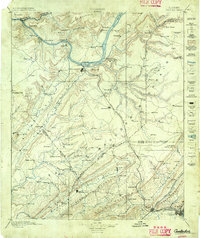 1885 Gadsden1885 Print · USGSNortheast Alabama in the mid-1880s was a landscape of river-side landings and emerging rail towns. Genealogists and historians can trace the early foundations of Guntersville and Gadsden while locating rural landmarks like Hillian Store, Cottonville, and Law Landing.
 - 1888 Map of Cullman
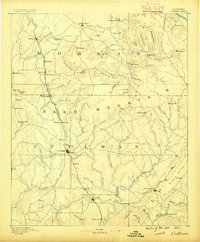 1888 Cullman1888 Print · USGSCullman and Morgan counties are shown in the late 1880s as the railroad fueled growth across the Sand Mountain region. Genealogists can trace early homesteads and commerce at Sobotka's Mill, Fort Bluff, and the riverside town of Blountsville.
 - 1888 Map of Gadsden
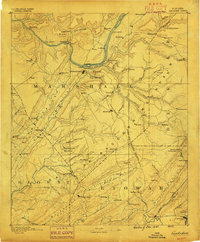 1888 Gadsden1888 Print · USGSNorth Alabama's river valleys and plateau lands are captured here in the late nineteenth century as the region transitioned from river landings to rail transport. Researchers can locate early post offices and commerce centers like Hillian's Store, Guntersville, and the ferry at Ft Deposit.
 - 1889 Map of Birmingham
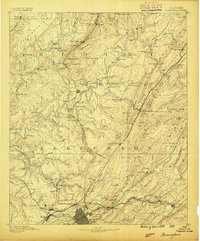 1889 Birmingham1889 Print · USGSIn the late nineteenth century, the Iron City was a growing urban core surrounded by intensive extraction sites and river crossings. Trace early industrial footprints at the Pratt Mines, Sloss Quarry, and the Old Irondale Furnace.
 - 1892 Map of Cullman
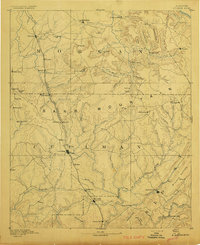 1892 Cullman1892 Print · USGSNorth-central Alabama's development is centered on the railroad corridor and rugged plateau country in the late nineteenth century. Genealogists can trace family footprints at Sobotka's Mill, along the historic Stout's Road, or near the remote Newsome Sinks.4 unique versions available
 - 1892 Map of Birmingham
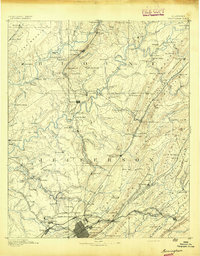 1892 Birmingham1892 Print · USGSBirmingham and the surrounding iron district emerge in the late nineteenth century as a hub of heavy industry and rail expansion. Trace the early footprints of the Sloss Mine, locate river crossings like Doss Ferry, and find family-named landmarks like Hanby Mill.
 - 1892 Map of Gadsden
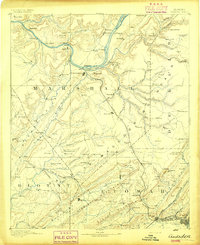 1892 Gadsden1892 Print · USGSNorth Alabama's river-and-rail economy is captured here in the late nineteenth century as Guntersville and Gadsden emerge as regional hubs. Genealogists and historians can trace the routes of the Birmingham Mineral R. R. or locate old community centers like Cottonville and Mt Zion.
 - 1893 Map of Jasper
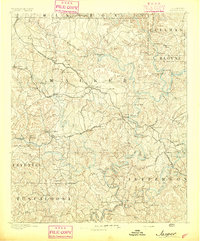 1893 Jasper1893 Print · USGSNorthern Alabama’s coal and timber country comes into focus in the 1890s as railroads began to penetrate the river valleys. Genealogists and historians can trace family-named river crossings like Miller Ferry and Baltimore Ford or early industry at Gamble Mines.5 unique versions available
 - 1895 Map of Gadsden
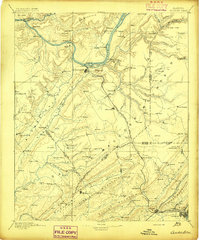 1895 Gadsden1895 Print · USGSNortheast Alabama at the close of the century was a landscape of river landings and mountain gaps where the Tennessee River met growing rail hubs. Genealogists can trace family holdings near Hillian Store, Cottonville, and the remote heights of Lookout Mountain.
 - 1895 Map of Birmingham
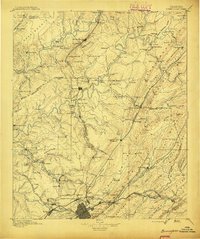 1895 Birmingham1895 Print · USGSBirmingham at the peak of its industrial boom is captured here as the city’s rail and mining networks spread through the surrounding valleys. Researchers can trace early iron production at Old Irondale Furnace or locate family roots at Doss Ferry and Pratt Mines.2 unique versions available
 - 1903 Map of Gadsden
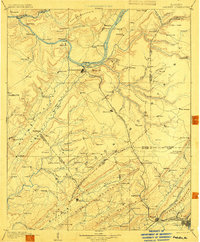 1903 Gadsden1903 Print · USGSNorthern Alabama in the late nineteenth century centers on the busy Tennessee River corridor and its surrounding ridges. Trace old family sites and transport hubs like Hillian Store, Lovelace Landing, and the Mt Zion church.4 unique versions available
 - 1907 Map of Birmingham
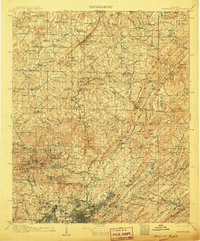 1907 Birmingham1907 Print · USGSJefferson and Blount counties are shown in the early twentieth century as the industrial heart of Alabama was taking shape. Genealogists can trace family roots through named landmarks like Box Schoolhouse, Watson PO, and the coal works at Watts Mines.5 unique versions available
 - 1927 Map of Falkville
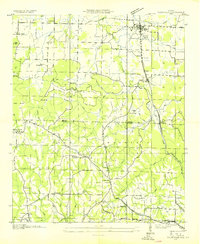 1927 Falkville1927 Print · USGSMorgan and Cullman counties are captured in the mid-1930s, showing the early infrastructure of the Tennessee Valley Authority. Genealogists can locate family landmarks like Wilhites Cem or community hubs such as Roundtop Ch and Panama Sch.
 - 1935 Map of Danville
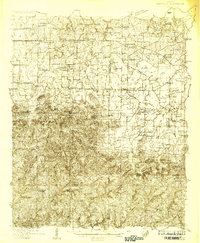 1935 Danville1935 Print · USGSIn the mid-thirties, the borderlands of Lawrence and Morgan counties featured a landscape of remote stores and hilltop churches. Genealogists can trace family footprints at Strauge Crossroads or locate the ancient Indian Mounds near Oakville.2 unique versions available
 - 1936 Map of Hulaco
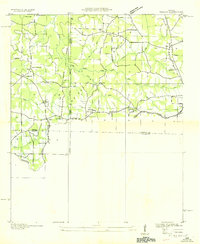 1936 Hulaco1936 Print · USGSDuring the mid-1930s, this portion of northern Alabama was a landscape of mountain crossroads and rural congregations. Genealogists and researchers can trace family landmarks like Crawford Cem, Harvells Store, and local schools including Hulaco Sch.
 - 1936 Map of Mc Kendry
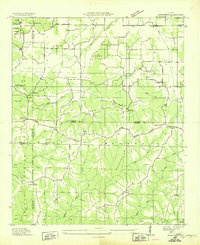 1936 Mc Kendry1936 Print · USGSThe rural highlands of North Alabama come into focus in the mid-1930s as a network of ridge-top settlements and forest boundaries. Genealogists can trace family connections through numerous rural landmarks like Andrews Chapel, Blairs Store, and the scattered homes of McKendry.
 - 1936 Map of Arab
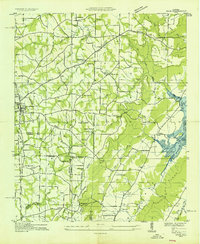 1936 Arab1936 Print · USGSThe town of Arab and the surrounding ridges of Marshall and Cullman counties appear here in the mid-1930s. Researchers can trace the early footprint of the Guntersville Reservoir alongside Ellenberg's Mill and Rocky Mtn Ch.
 - 1936 Map of Eva
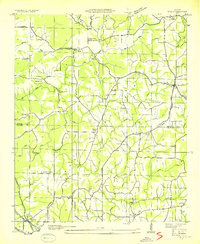 1936 Eva1936 Print · USGSThe Morgan and Cullman county line was a landscape of ridge-top settlements and creek valleys in the mid-1930s. Genealogists can trace family footprints at Dripping Spring Sch, Hamby Chapel, and the Morris Cem near the railroad.
 - 1936 Map of Lawrence Cove
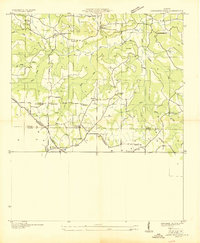 1936 Lawrence Cove1936 Print · USGSMorgan County rural life is captured here in the mid-1930s, showing a landscape of small farming communities and ridge-top churches. Trace the local genealogy of Lawrence Cove through landmarks like Lawrence Cove Sch, Pine Burr Ch, and Bethel Ch.
 - 1936 Map of Brooksville
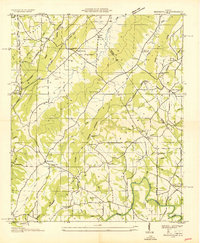 1936 Brooksville1936 Print · USGSBlount and Marshall Counties meet in the mid-1930s among the ridgelines of the Cherokee Basin. Researchers can trace the early road network of Old Tennessee State Highway No 38 to find old community hubs like Nixon Chapel and Oak Hill Sch.
 - 1936 Map of Holly Pond
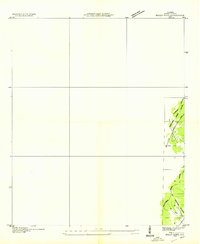 1936 Holly Pond1936 Print · USGSBlount County, Alabama, is captured here in the mid-1930s during the early years of the Tennessee Valley Authority. Researchers can trace the historical Old Tennessee Basin Cherokee Boundary Divide and the path of Big Spring Creek near State Highway No 38.
 - 1938 Map of Danville
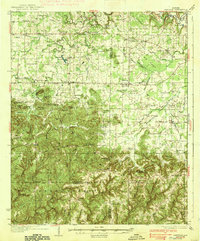 1938 Danville1938 Print · USGSNorthern Alabama’s uplands are captured here in the mid-1930s, showing the early boundaries of the Black Warrior National Forest. Researchers can locate rural schools and churches like Speake Sch and Evergreen Ch or trace old crossings at McDaniel Bridge.2 unique versions available
 - 1948 Map of Arab, 1974 Print
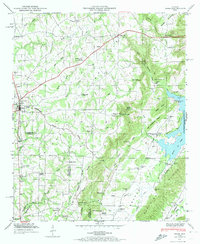 1948 Arab1974 Print · USGSMarshall County's upland plateaus and the Tennessee Valley Divide are captured here shortly after the Second World War. Researchers can trace rural lineages through sites like Johnsons Mill, Thrasher Crossroads, and the Brashier Chapel Cem.3 unique versions available
 - 1949 Map of Sipsey, 1969 Print
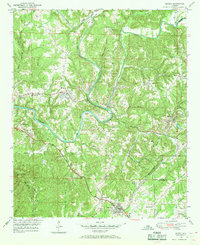 1949 Sipsey1969 Print · USGSWalker County at the close of the 1940s reveals a landscape shaped by the winding Mulberry Fork and the arrival of industrial mining. Genealogists and historians can trace old schools and churches like Wheeler Sch and New Canaan Ch or locate family sites at Drummond Cem.5 unique versions available
 - 1949 Map of Cold Springs, 1969 Print
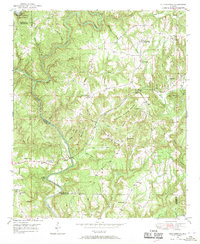 1949 Cold Springs1969 Print · USGSCullman County life in the late 1940s centers on the ridge-top settlements and creek valleys near the Sipsey Fork. Researchers can trace rural lineages through numerous country landmarks like Cold Springs, Drummond Sch, and the Banking Grounds.5 unique versions available
Showing maps 1-25 of 213
Top cities of Cullman County
- Cullman historical maps
- Hanceville historical maps
- Good Hope historical maps
- Holly Pond historical maps
- Baileyton historical maps
- West Point historical maps
See more
Frequently asked questions
- What are the different types of historical maps available for Cullman County?
- What is the oldest map of Cullman County?
- Where can I purchase historical maps of Cullman County for my home or office?
- Where can I download high-res historical maps of Cullman County?
- Are there historical topographic maps available for Cullman County?
- Is there historical aerial imagery available for Cullman County?
- Where are historical maps of Cullman County sourced from?