Old Maps of James, Alabama for Academic Research
Study the evolution of James with 11 high-resolution historic maps. Whether you're teaching, researching, or modeling changes in land use, these maps provide essential visual documentation of urban, environmental, and geographic change.
- Analyze long-term change: Track patterns in development, transportation, and natural features.
- Ideal for environmental or urban studies: Support academic projects with primary historical map data.
- Use in the classroom or lab: Educators and researchers rely on these maps to bring historical context to life.
These maps are a powerful tool for teaching, research, and visualizing how James has changed over the decades.
James, AL maps
(11)- 1906 Map of Dadeville
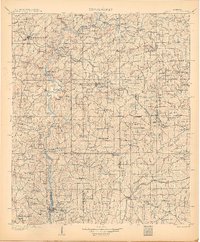 1906 Dadeville1906 Print · USGSThe Tallapoosa River valley is shown at the turn of the century, defined by its numerous river ferries and a burgeoning rail network. Genealogists can trace family roots through rural landmarks like Rocky Ridge Church, Mc Ritchie Mill, and the many river crossings including McCarty Ferry.3 unique versions available
 - 1955 Map of Phenix City, 1964 Print
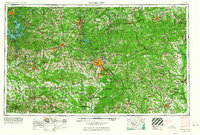 1955 Phenix City1964 Print · USGSPost-war Alabama and Georgia meet along the Chattahoochee River as industry and military installations expand. Trace the rail lines of the Central of Georgia through towns like Opelika, Tuskegee, and Alexander City.3 unique versions available
 - 1957 Map of Phenix City
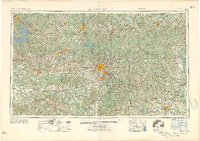 1957 Phenix City1957 Print · USGSThe Alabama-Georgia borderlands are captured here in the mid-fifties, centered on the bustling river crossing at Phenix City and Columbus. Researchers can trace the mid-century footprint of the Fort Benning Military Reservation or locate smaller textile and railroad towns like Langdale and Camp Hill.
 - 1958 Map of Phenix City
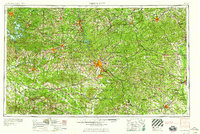 1958 Phenix City1958 Print · USGSThe Alabama-Georgia borderlands thrive during the late fifties, anchored by the river-driven industry of Columbus and Phenix City. Researchers can trace the mid-century footprints of Fort Benning, Auburn, and the textile towns of Fairfax and Lanett.
 - 1971 Map of Waverly
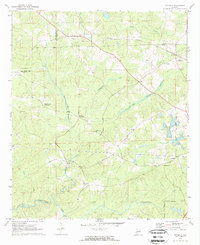 1971 Waverly1971 Print · USGSThe intersection of Lee, Chambers, and Tallapoosa counties in the early 1970s shows a landscape of rail-linked communities and rural crossroads. Genealogists can trace family footprints near Waverly, Gold Hill, and historic churches like Mt Traveler Ch or Macon Spring Ch.2 unique versions available
 - 1981 Map of Opelika, 1982 Print
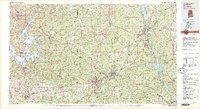 1981 Opelika1982 Print · USGSEast Alabama and West Georgia appear in the early 1980s as a region defined by massive river reservoirs and the storied textile corridor. Genealogists can trace family roots through the valley towns of Lanett and Fairfax or locate sites near Horseshoe Bend National Military Park.
 - 2011 Map of Waverly, 2011 Print
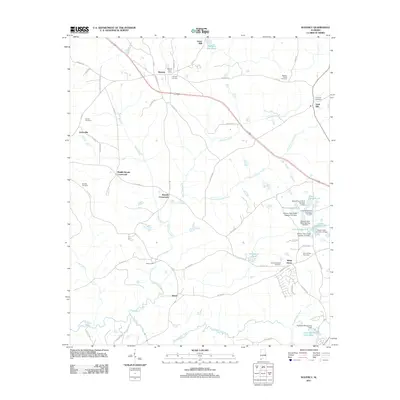 2011 Waverly2011 Print · USGSLee County, Alabama, is captured here in the early twenty-first century as it balances its mill-town heritage with university research. Genealogists and researchers can trace ancestral sites like Canaan Cemetery or explore the development of Gold Hill and the Fisheries Research Unit Auburn University.
 - 2014 Map of Waverly, 2014 Print
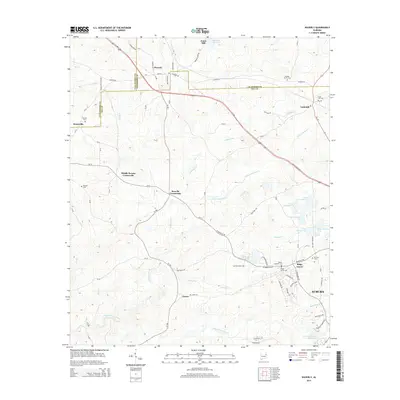 2014 Waverly2014 Print · USGSThe rural borders of Lee, Chambers, and Tallapoosa counties come together here during a period of transition between historic crossroads and modern growth. Researchers can trace family sites at the Maddox Family Cem and Rowells Crossroads or locate old water-power sites like Jones Mill.
 - 2018 Map of Waverly, 2018 Print
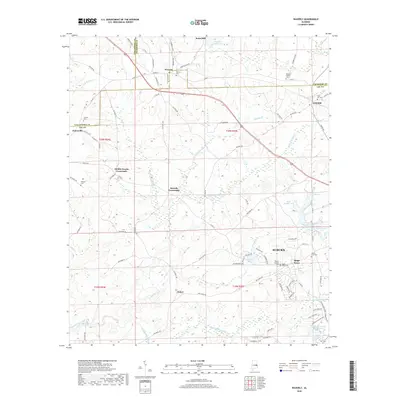 2018 Waverly2018 Print · USGSIn the hills of East Alabama near the turn of the twenty-first century, rural crossroads and family homesteads still define the landscape. Trace ancestral roots at Maddox Family Cem, explore the lanes of Waverly, or locate landmarks like Jones Mill.
 - 2020 Map of Waverly, 2020 Print
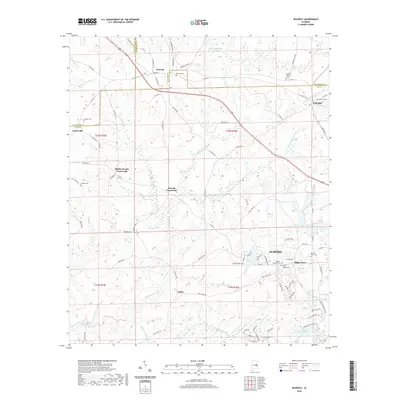 2020 Waverly2020 Print · USGSThe rural stretches of Lee and Chambers counties are captured here in the early twenty-first century as modern Auburn begins to meet traditional crossroads. Researchers can trace family history through several local landmarks including Waverly Cem, Gold Hill Cem, and the Maddox Family Cem.
 - 2024 Map of Waverly, 2024 Print
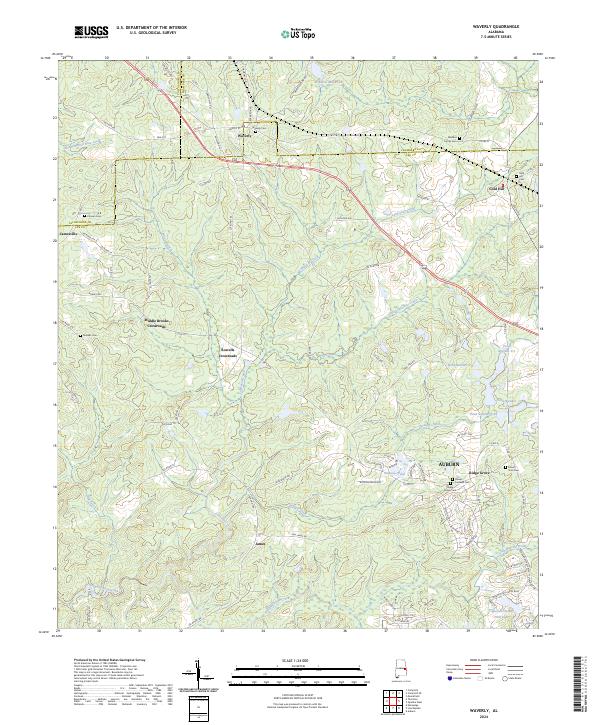 2024 Waverly2024 Print · USGSIn the rural borderlands of Chambers and Lee counties, this modern survey shows the enduring settlement patterns of central Alabama. Genealogists and historians can trace family ties through Waverly Cem, Gold Hill, and Middle Brooks Crossroads.
End of results
Showing maps 1-11 of 11
Top cities near James
- Auburn historical maps
- Opelika historical maps
- Tuskegee historical maps
- Dadeville historical maps
- Camp Hill historical maps
- Notasulga historical maps
See more
Frequently asked questions
- What are the different types of historical maps available for James?
- What is the oldest map of James?
- Where can I purchase historical maps of James for my home or office?
- Where can I download high-res historical maps of James?
- Are there historical topographic maps available for James?
- Is there historical aerial imagery available for James?
- Where are historical maps of James sourced from?