Old Maps of Shorter, Alabama for Metal Detecting
Plan your next treasure hunt with 34 historic maps of Shorter. Find old homesites, ghost towns, trails, and gathering spots that may be lost to time — perfect for identifying promising metal detecting locations.
- Locate forgotten sites: Uncover places like long-lost settlements, abandoned rail lines, or gathering spots.
- Plan better hunts: Use map overlays combined with LiDAR or satellite views to narrow in on historically rich areas.
- Made for detectorists: Thousands of hobbyists use these maps to discover relics, coins, and hidden history.
Use these historic maps to boost your research and find new opportunities beneath the surface of Shorter.
Shorter, AL maps
(34)- 1953 Map of Montgomery, 1964 Print
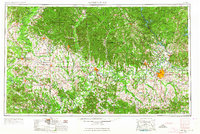 1953 Montgomery1964 Print · USGSCentral Alabama's river-and-rail corridor is mapped here in the mid-fifties, showing the vital connections between the capital and the Black Belt. Genealogists and historians can trace rail depots and crossroads from Marion Junction to Wetumpka, alongside landmarks like Craig AFB.4 unique versions available
 - 1955 Map of Phenix City, 1964 Print
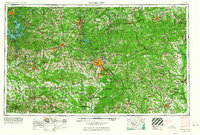 1955 Phenix City1964 Print · USGSPost-war Alabama and Georgia meet along the Chattahoochee River as industry and military installations expand. Trace the rail lines of the Central of Georgia through towns like Opelika, Tuskegee, and Alexander City.3 unique versions available
 - 1956 Map of Montgomery
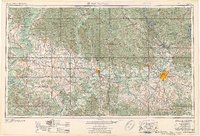 1956 Montgomery1956 Print · USGSCentral Alabama in the mid-1950s shows a landscape defined by its great river systems and a booming military aviation presence. Genealogists and historians can trace the rail corridors of the Southern Railway and locate tactical bases like Maxwell AFB and Craig AFB.
 - 1957 Map of Phenix City
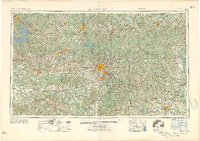 1957 Phenix City1957 Print · USGSThe Alabama-Georgia borderlands are captured here in the mid-fifties, centered on the bustling river crossing at Phenix City and Columbus. Researchers can trace the mid-century footprint of the Fort Benning Military Reservation or locate smaller textile and railroad towns like Langdale and Camp Hill.
 - 1957 Map of Montgomery
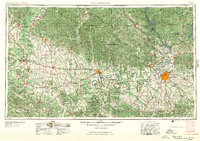 1957 Montgomery1957 Print · USGSCentral Alabama in the mid-fifties is defined by the winding Alabama River and a strategic network of military bases and rail lines. Trace family roots in Montgomery and Selma, or locate landmarks like Craig AFB and the State Capitol before the interstate era.
 - 1958 Map of Phenix City
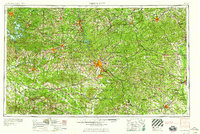 1958 Phenix City1958 Print · USGSThe Alabama-Georgia borderlands thrive during the late fifties, anchored by the river-driven industry of Columbus and Phenix City. Researchers can trace the mid-century footprints of Fort Benning, Auburn, and the textile towns of Fairfax and Lanett.
 - 1958 Map of Mount Meigs, 1959 Print
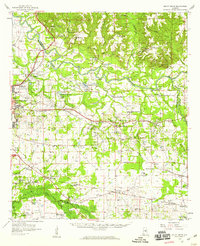 1958 Mount Meigs1959 Print · USGSMontgomery County was a hive of rail and river activity in the late fifties as the state capital expanded eastward. Researchers can trace family-named sites and rural institutions like Pike Road, Our Lady of Fatima Sch, and the riverside Indian Mounds.2 unique versions available
 - 1971 Map of Shorter, 1973 Print
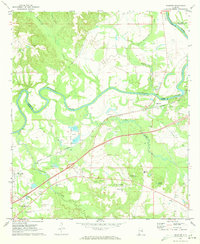 1971 Shorter1973 Print · USGSThe Tallapoosa River country comes alive in the early seventies, showing a landscape of small towns and gravel works. Trace local history at Tysonville, the Cubahatchee Lookout Tower, and Wolfe High Sch.2 unique versions available
 - 1971 Map of La Place, 1973 Print
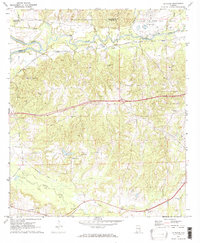 1971 La Place1973 Print · USGSMacon County in the early seventies shows a landscape where military history and rural tradition meet along the Tallapoosa River. Researchers can locate the Tuskegee Air Force Base and numerous family churches like Bradford Chapel and Elam Ch.2 unique versions available
 - 1971 Map of Chesson, 1974 Print
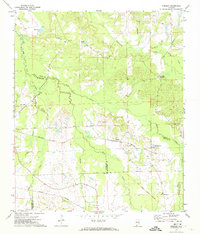 1971 Chesson1974 Print · USGSMacon County's rural landscape is captured here in the early seventies, where rail lines and treaty boundaries still define the local geography. Researchers can trace family roots at Mt Zion Ch, locate the settlement of Chesson, or follow the historic Indian Treaty Boundary.2 unique versions available
 - 1975 Map of Mount Meigs NE, 1977 Print
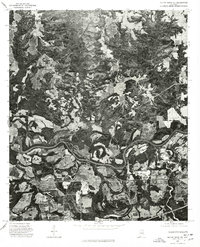 1975 Mount Meigs NE1977 Print · USGSThe rural riverbanks of Montgomery County are captured in detailed aerial imagery during the mid-seventies. Local historians can trace the exact footprint of farmsteads and land clearings near the community of Ware and along the winding oxbows of the Tallapoosa River.
 - 1981 Map of Tuskegee, 1982 Print
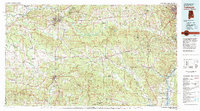 1981 Tuskegee1982 Print · USGSMacon and Bullock counties are captured here in the early eighties, showcasing a landscape deeply tied to the railroad and the legacies of Tuskegee Institute. Researchers can locate specific sites from Moton Field to rural settlements along the Seaboard Coast Line like Hurtsboro and Pittsview.2 unique versions available
 - 1986 Map of Montgomery
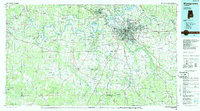 1986 Montgomery1986 Print · USGSCentral Alabama's river-and-rail corridor is captured in the mid-1980s, centered on the state capital and its surrounding rural counties. Researchers can trace ancestral landmarks like Oakwood Cemetery, military sites like Maxwell Air Force Base, and small towns such as Lowndesboro.2 unique versions available
 - 1987 Map of Brassell
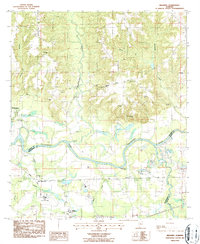 1987 Brassell1987 Print · USGSAlabama's river-bottom lands near the meeting of three counties were captured in detail during the late 1980s. Researchers can trace family sites like Dawson Bradford Cem and Cathmagby Ch or locate the Mount Meigs (Sta) along the CSX rail line.
 - 2011 Map of La Place, 2011 Print
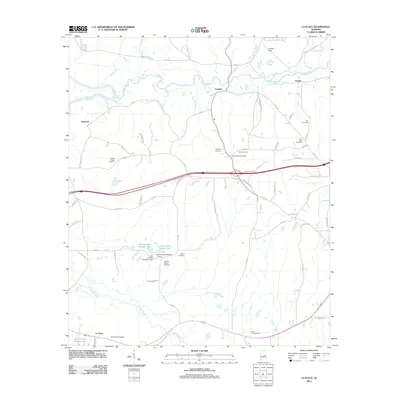 2011 La Place2011 Print · USGSMacon County's rural character is well-preserved in this modern survey of the area north of Tuskegee. Genealogists can trace family heritage across a landscape dotted with sites like Zion Cemetery, La Place, and the remote Walker Chapel Cemetery.
 - 2011 Map of Chesson, 2011 Print
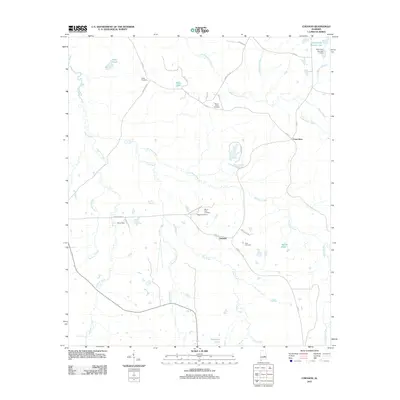 2011 Chesson2011 Print · USGSThe rural landscape near Pike Road is captured in the early twenty-first century, showing a network of creeks and small settlements. Researchers can locate numerous family burial grounds such as White Cemetery and Silah Cemetery along historical routes like Chesson Plantation Rd.
 - 2011 Map of Brassell, 2011 Print
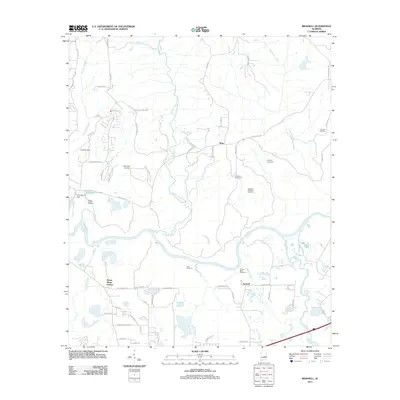 2011 Brassell2011 Print · USGSEast of Montgomery in the early twenty-first century, this rural landscape centers on the winding Tallapoosa River. Researchers can trace numerous family burial sites such as Dawson Bradford Cemetery and Billingslea Cemetery alongside the historic Mount Meigs Station.
 - 2011 Map of Shorter, 2011 Print
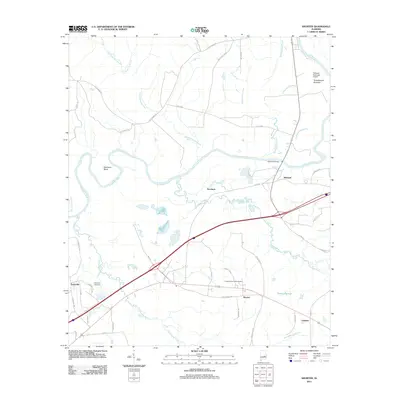 2011 Shorter2011 Print · USGSMacon County in the early twenty-first century shows a landscape where modern interstate travel meets deep-rooted river settlements. Genealogists and researchers can trace family landmarks near Tysonville Cemetery, Polecat Springs, and the historic Milstead area.
 - 2014 Map of Brassell, 2014 Print
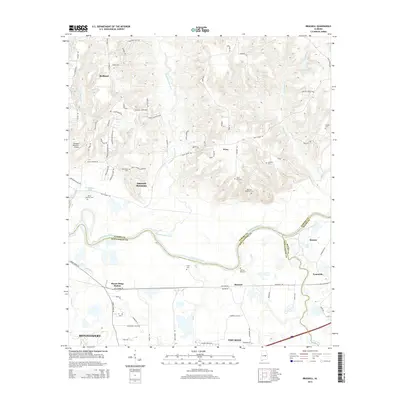 2014 Brassell2014 Print · USGSThe tri-county borderlands of Elmore, Montgomery, and Macon are captured here during a period of modern growth. Researchers can trace numerous family burial sites like Anthony Cem and Scott Cem alongside landmarks such as Mount Meigs Station.
 - 2014 Map of Shorter, 2014 Print
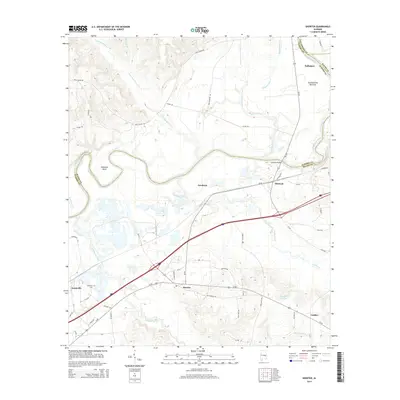 2014 Shorter2014 Print · USGSThe Macon County countryside near Shorter is captured in the early 21st century, showing a landscape defined by the Tallapoosa River and historic travel routes. Genealogists and historians can trace the Old Federal Rd, locate the Tysonville Cem, and explore the terrain around Polecat Springs.
 - 2014 Map of La Place, 2014 Print
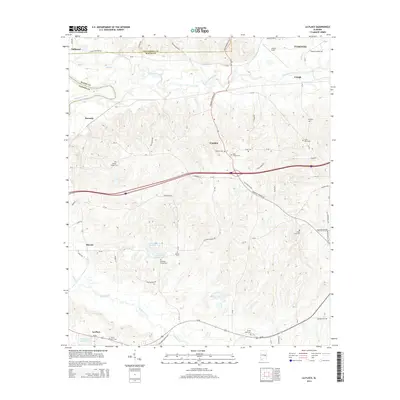 2014 La Place2014 Print · USGSMacon County's rural landscape and small communities like Franklin and Shorter are detailed in this modern survey. Genealogists can locate several family-linked sites and burial grounds such as Neils Chapel Cem, Elam Cem, and Sweet Gum Cem.
 - 2014 Map of Chesson, 2014 Print
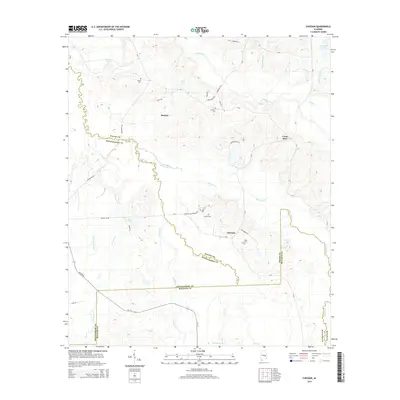 2014 Chesson2014 Print · USGSThe rural borders of Macon, Montgomery, and Bullock counties come together in this mid-2010s survey of the Alabama interior. Researchers can locate several historical burial sites including White Cem and Silah Cem or trace the winding course of Line Cr.
 - 2018 Map of Chesson, 2018 Print
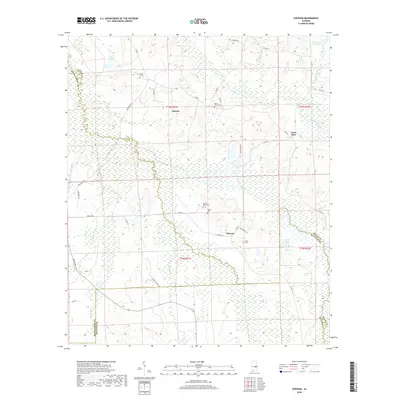 2018 Chesson2018 Print · USGSThe rural borders of Macon, Montgomery, and Bullock counties are captured here in the late 2010s. Researchers can locate family landmarks like Oswalt Cem and Silah Cem or trace the waterways of Cubahatchee Cr and Old Town Cr.
 - 2018 Map of La Place, 2018 Print
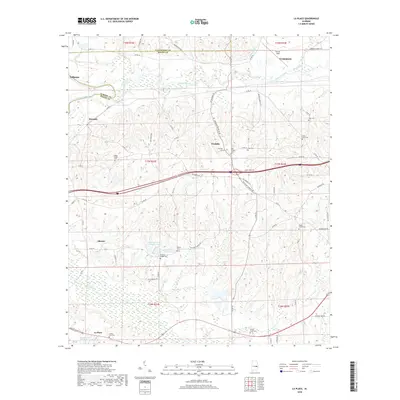 2018 La Place2018 Print · USGSMacon County in the late 2010s shows a landscape of dispersed rural communities and historic family burial sites. Researchers can trace local heritage through numerous landmarks like Walker Chapel Cem, Sharpe Field, and the settlement of La Place.
 - 2018 Map of Shorter, 2018 Print
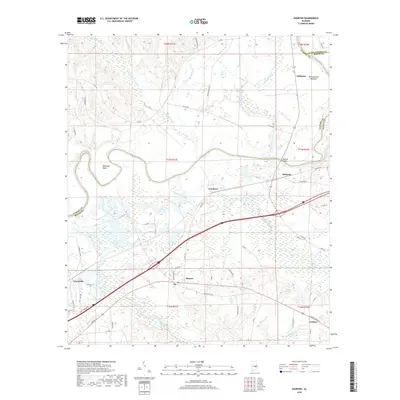 2018 Shorter2018 Print · USGSThis Alabama river country at the turn of the 21st century highlights the intersections of the Tallapoosa River and historic travel routes. Genealogists and researchers can trace the Old Federal Rd near Shorter and locate family landmarks like the Tysonville Cem.
Showing maps 1-25 of 34
Top cities near Shorter
- Montgomery historical maps
- Pike Road historical maps
- Tuskegee historical maps
- Wetumpka historical maps
- Tallassee historical maps
- Emerald Mountain historical maps
See more
Frequently asked questions
- What are the different types of historical maps available for Shorter?
- What is the oldest map of Shorter?
- Where can I purchase historical maps of Shorter for my home or office?
- Where can I download high-res historical maps of Shorter?
- Are there historical topographic maps available for Shorter?
- Is there historical aerial imagery available for Shorter?
- Where are historical maps of Shorter sourced from?