Old Maps of Guin, Alabama for Academic Research
Study the evolution of Guin with 33 high-resolution historic maps. Whether you're teaching, researching, or modeling changes in land use, these maps provide essential visual documentation of urban, environmental, and geographic change.
- Analyze long-term change: Track patterns in development, transportation, and natural features.
- Ideal for environmental or urban studies: Support academic projects with primary historical map data.
- Use in the classroom or lab: Educators and researchers rely on these maps to bring historical context to life.
These maps are a powerful tool for teaching, research, and visualizing how Guin has changed over the decades.
Guin, AL maps
(33)- 1953 Map of Birmingham, 1964 Print
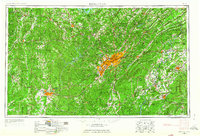 1953 Birmingham1964 Print · USGSCentral Alabama at mid-century shows a landscape defined by industrial expansion and the iron-rich ridges surrounding Birmingham. Researchers can trace the extensive rail networks of the L & N RR or locate historic federal sites like the Anniston Ordnance Depot.4 unique versions available
 - 1956 Map of Birmingham
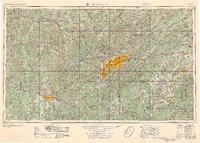 1956 Birmingham1956 Print · USGSCentral Alabama in the mid-fifties exhibits a landscape of growing cities and deep-rooted industrial corridors. Genealogists and historians can trace the development of suburban Mountain Brook or locate regional hubs like Sylacauga and Jasper.
 - 1956 Map of Gadsden, 1966 Print
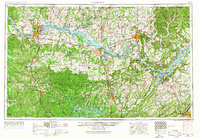 1956 Gadsden1966 Print · USGSNorth Alabama in the mid-1950s shows a region transformed by river engineering and federal industry. Genealogists and local historians can trace the development of the Tennessee Valley through the growth of Huntsville, the sprawling Redstone Arsenal, and the expansive Guntersville Lake.3 unique versions available
 - 1957 Map of Birmingham
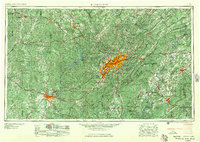 1957 Birmingham1957 Print · USGSNorth-Central Alabama in the mid-fifties is an industrial powerhouse centered on the steel valleys and sprawling iron ridges. Genealogists and historians can trace the rail-linked growth of Birmingham and Tuscaloosa, or locate rural landmarks like Talladega College and the Anniston Ordnance Depot.
 - 1958 Map of Gadsden
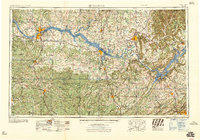 1958 Gadsden1958 Print · USGSNorth Alabama comes alive in the late 1950s as the Tennessee Valley Authority’s massive river projects and the rise of the space industry reshaped the landscape. Researchers can trace the mid-century footprints of Huntsville, Redstone Arsenal, and the riverside rail networks of the Southern railroad.
 - 1960 Map of Gadsden
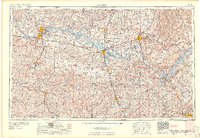 1960 Gadsden1960 Print · USGSNorthern Alabama in the mid-1950s is defined by the mighty Tennessee River and its massive reservoirs. Trace the development of Huntsville and Redstone Arsenal or explore the vast William B Bankhead National Forest.2 unique versions available
 - 1963 Map of Gadsden
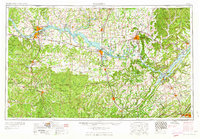 1963 Gadsden1963 Print · USGSNorthern Alabama underwent a dramatic mid-century transformation as the Tennessee Valley became a hub for defense and industry. Researchers can trace the development of the Redstone Arsenal, the route of the Natchez Trace Parkway, and long-standing rail lines like the Southern Railway.
 - 1967 Map of Brilliant, 1968 Print
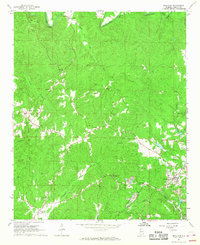 1967 Brilliant1968 Print · USGSMarion County's coal and rail landscape comes into focus in the late sixties, centered on the mining operations around Brilliant. Researchers can trace old family sites and rural landmarks like Yampertown, Pearces Mills, and Mt Joy Cem.3 unique versions available
 - 1967 Map of Hamilton SW, 1968 Print
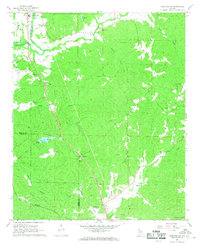 1967 Hamilton SW1968 Print · USGSMarion County during the late sixties is depicted here as a landscape of small settlements and emerging infrastructure. Genealogists and local historians can trace the locations of family landmarks like Donham Cem, Liberty Ch, and the community of Pikeville.2 unique versions available
 - 1967 Map of Winfield, 1968 Print
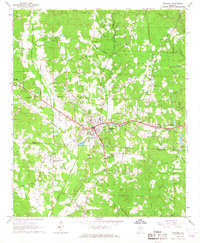 1967 Winfield1968 Print · USGSMarion and Fayette counties are shown here in the late sixties as the town of Winfield expands along the railroad. Local researchers can trace family landmarks like Musgrove Chapel, the Drive-in Theater, and the old mining Airshaft.3 unique versions available
 - 1967 Map of Guin, 1968 Print
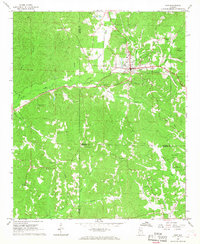 1967 Guin1968 Print · USGSMarion County hill country centers on the town of Guin during the late sixties as the local economy balances rail transport and gravel mining. Researchers can trace rural lineages through numerous sites like Mount Olive Cem, Love Joy Ch, and Piney Grove Ch.
 - 1980 Map of Haleyville, 1983 Print
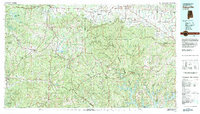 1980 Haleyville1983 Print · USGSNorthwest Alabama at the start of the eighties shows a landscape of deep forests and new reservoirs as modern infrastructure settled into the hills. Researchers can trace the rail lines of the Southern and Illinois Central Gulf through towns like Haleyville, Moulton, and Natural Bridge.
 - 1984 Map of Jasper, 1985 Print
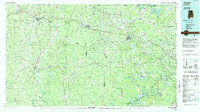 1984 Jasper1985 Print · USGSIn the mid-1980s, the Walker County coalfields were a complex web of rail lines and river terminals. Researchers can trace the industrial heritage of the Mulberry Fork and locate local landmarks like the Carbon Hill National Fish Hatchery or Saragossa Ch.2 unique versions available
 - 2011 Map of Hamilton SW, 2011 Print
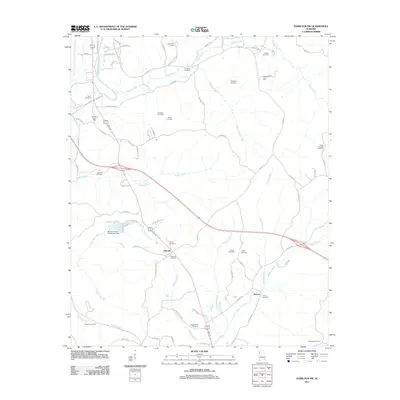 2011 Hamilton SW2011 Print · USGSMarion County at the start of the decade shows a blend of deep-rooted family settlements and active energy production. Researchers can trace numerous burial sites like Pikeville Cemetery and Philadelphia Cemetery alongside the Hamilton Gas Field.
 - 2011 Map of Winfield, 2011 Print
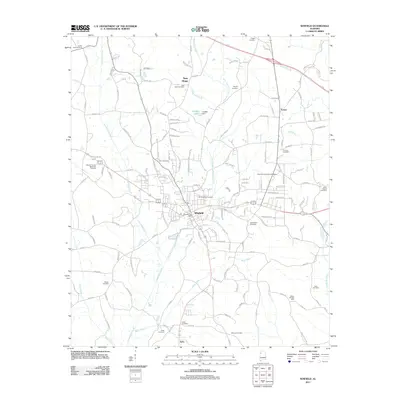 2011 Winfield2011 Print · USGSThe town of Winfield and its surrounding countryside are documented here during a period of steady rural development. Genealogists and historians can locate numerous burial sites such as Scuffle Grit Cemetery or the Riley Baccus Family Cemetery, and trace local landmarks like Holt Dam.
 - 2011 Map of Guin, 2011 Print
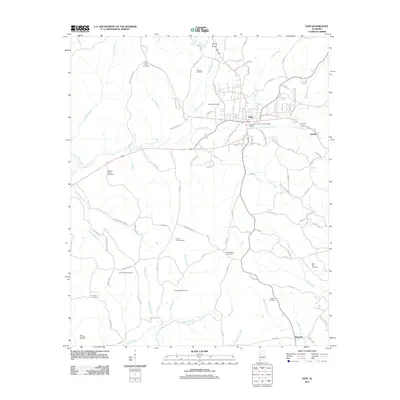 2011 Guin2011 Print · USGSMarion County at the start of the twenty-first century reveals a landscape defined by small-town life and the local energy industry. Genealogists can trace family names through numerous burial sites like Seven Oaks Cemetery, Mallory Cemetery, and the Kirk Branch Gas Field.
 - 2011 Map of Brilliant, 2011 Print
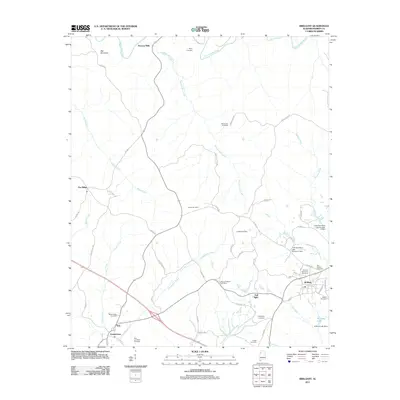 2011 Brilliant2011 Print · USGSMarion County, Alabama, is documented here in the early 2010s, showing a landscape defined by creek-side settlements and local cemeteries. Genealogists can trace family roots at Brilliant Memorial Cemetery, Pull Tight, or the riverside site of Pearces Mills.
 - 2014 Map of Brilliant, 2014 Print
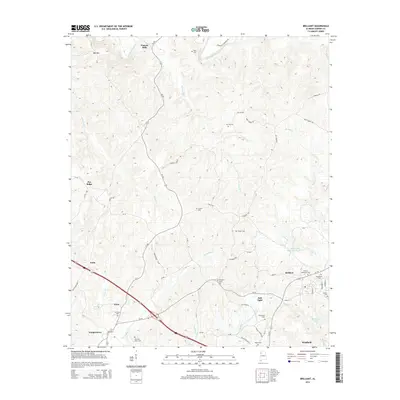 2014 Brilliant2014 Print · USGSMarion County's rural landscapes and small towns are documented here in the early twenty-first century. Genealogists can locate family landmarks like Brilliant Memorial Cem and May and Akers Cem or trace the routes through Pearces Mills and Pull Tight.
 - 2014 Map of Guin, 2014 Print
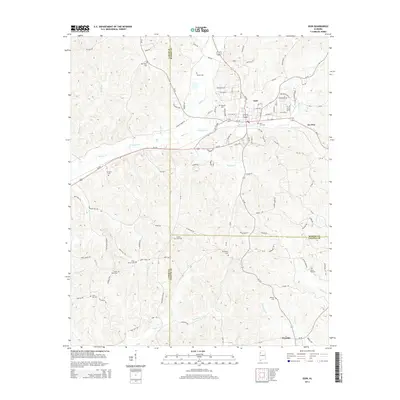 2014 Guin2014 Print · USGSThe convergence of Marion, Lamar, and Fayette counties in the early twenty-first century reveals a landscape of upland ridges and creek bottoms. Researchers can trace rural lineages through numerous local sites including Guin City Cem, Piney Grove Cem, and the settlement at Wayside.
 - 2014 Map of Hamilton SW, 2014 Print
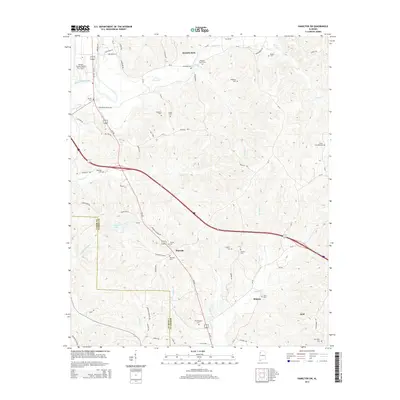 2014 Hamilton SW2014 Print · USGSMarion County at the start of the 2010s shows a landscape of deep-rooted rural communities and family cemeteries. Genealogists and local historians can trace legacy sites like Pikeville Cem, Stinson, and the historical path of Military Rd.
 - 2014 Map of Winfield, 2014 Print
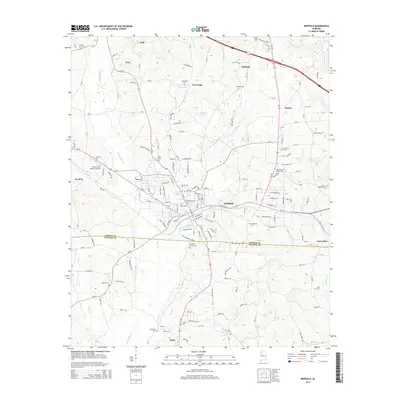 2014 Winfield2014 Print · USGSWinfield and the surrounding Marion and Fayette County line are shown here in the mid-2010s, revealing a landscape of established small towns and family homesteads. Genealogists can trace deep local roots through numerous sites like Riley Baccus Family Cem, Scuffle Grit Cem, and Harmony Grove Cem.
 - 2018 Map of Guin, 2018 Print
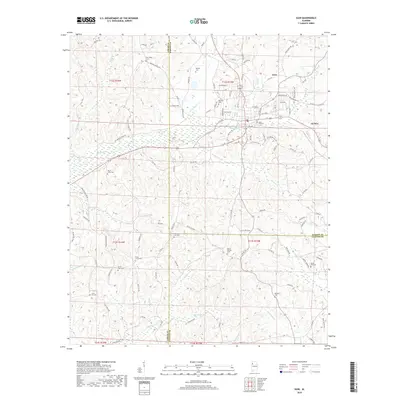 2018 Guin2018 Print · USGSNorthwest Alabama at the junction of three counties remains a landscape of tightly-knit rural communities and family-named hollows. Genealogists can trace deep roots through over a dozen burial sites, including Seven Oaks Cem, Piney Grove Cem, and County Line Cem.
 - 2018 Map of Brilliant, 2018 Print
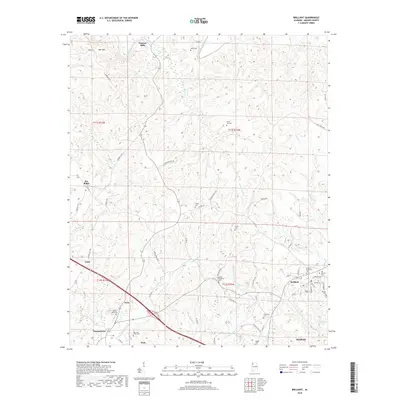 2018 Brilliant2018 Print · USGSMarion County communities and rural landscapes are captured here in the late 2010s. Researchers can trace family history through local landmarks like Pearces Mills and numerous burial sites including Old Bostick Cem and Brilliant Memorial Cem.
 - 2018 Map of Winfield, 2018 Print
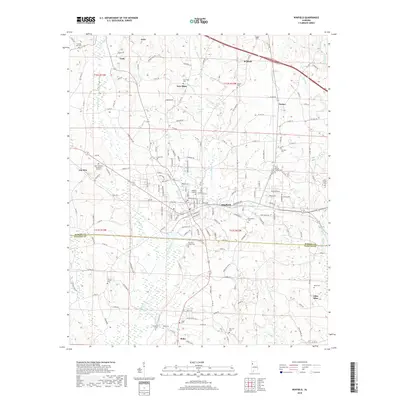 2018 Winfield2018 Print · USGSWinfield and the surrounding Marion-Fayette county line are captured here in the late 2010s as a well-connected network of rural communities. Researchers can trace numerous local burial sites including Siloam Cemetery, Harmony Grove Cemetery, and Scuffle Grit Cemetery.
 - 2018 Map of Hamilton SW, 2018 Print
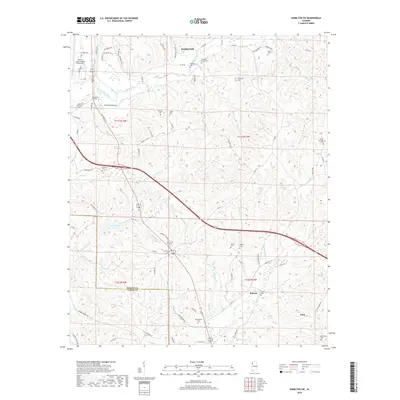 2018 Hamilton SW2018 Print · USGSMarion County in the late twenty-teens is a landscape of winding river valleys and quiet rural crossroads south of Hamilton. Genealogists and local historians can locate dozens of family landmarks, from Banister Cem to Old Indian Mound Rd and the settlement of Pikeville.
Showing maps 1-25 of 33
Top cities near Guin
- Hamilton historical maps
- Winfield historical maps
- Haleyville historical maps
- Vernon historical maps
- Sulligent historical maps
- Brilliant historical maps
See more
Frequently asked questions
- What are the different types of historical maps available for Guin?
- What is the oldest map of Guin?
- Where can I purchase historical maps of Guin for my home or office?
- Where can I download high-res historical maps of Guin?
- Are there historical topographic maps available for Guin?
- Is there historical aerial imagery available for Guin?
- Where are historical maps of Guin sourced from?