Old Maps of Pea Ridge, Alabama for Metal Detecting
Plan your next treasure hunt with 11 historic maps of Pea Ridge. Find old homesites, ghost towns, trails, and gathering spots that may be lost to time — perfect for identifying promising metal detecting locations.
- Locate forgotten sites: Uncover places like long-lost settlements, abandoned rail lines, or gathering spots.
- Plan better hunts: Use map overlays combined with LiDAR or satellite views to narrow in on historically rich areas.
- Made for detectorists: Thousands of hobbyists use these maps to discover relics, coins, and hidden history.
Use these historic maps to boost your research and find new opportunities beneath the surface of Pea Ridge.
Pea Ridge, AL maps
(11)- 1956 Map of Gadsden, 1966 Print
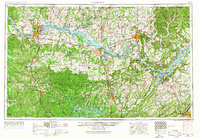 1956 Gadsden1966 Print · USGSNorth Alabama in the mid-1950s shows a region transformed by river engineering and federal industry. Genealogists and local historians can trace the development of the Tennessee Valley through the growth of Huntsville, the sprawling Redstone Arsenal, and the expansive Guntersville Lake.3 unique versions available
 - 1958 Map of Gadsden
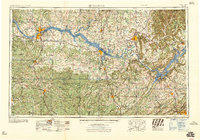 1958 Gadsden1958 Print · USGSNorth Alabama comes alive in the late 1950s as the Tennessee Valley Authority’s massive river projects and the rise of the space industry reshaped the landscape. Researchers can trace the mid-century footprints of Huntsville, Redstone Arsenal, and the riverside rail networks of the Southern railroad.
 - 1960 Map of Gadsden
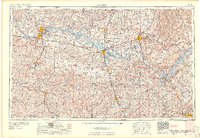 1960 Gadsden1960 Print · USGSNorthern Alabama in the mid-1950s is defined by the mighty Tennessee River and its massive reservoirs. Trace the development of Huntsville and Redstone Arsenal or explore the vast William B Bankhead National Forest.2 unique versions available
 - 1963 Map of Gadsden
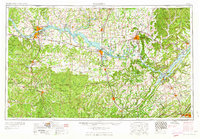 1963 Gadsden1963 Print · USGSNorthern Alabama underwent a dramatic mid-century transformation as the Tennessee Valley became a hub for defense and industry. Researchers can trace the development of the Redstone Arsenal, the route of the Natchez Trace Parkway, and long-standing rail lines like the Southern Railway.
 - 1967 Map of Brilliant, 1968 Print
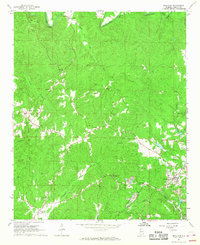 1967 Brilliant1968 Print · USGSMarion County's coal and rail landscape comes into focus in the late sixties, centered on the mining operations around Brilliant. Researchers can trace old family sites and rural landmarks like Yampertown, Pearces Mills, and Mt Joy Cem.3 unique versions available
 - 1980 Map of Haleyville, 1983 Print
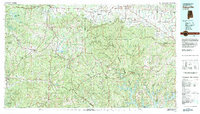 1980 Haleyville1983 Print · USGSNorthwest Alabama at the start of the eighties shows a landscape of deep forests and new reservoirs as modern infrastructure settled into the hills. Researchers can trace the rail lines of the Southern and Illinois Central Gulf through towns like Haleyville, Moulton, and Natural Bridge.
 - 2011 Map of Brilliant, 2011 Print
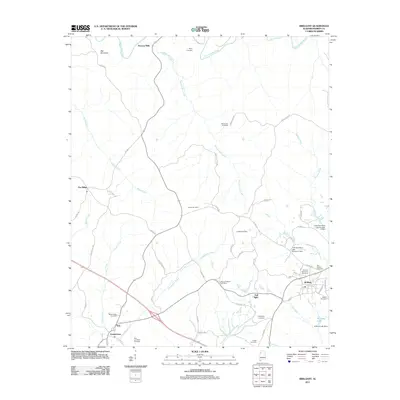 2011 Brilliant2011 Print · USGSMarion County, Alabama, is documented here in the early 2010s, showing a landscape defined by creek-side settlements and local cemeteries. Genealogists can trace family roots at Brilliant Memorial Cemetery, Pull Tight, or the riverside site of Pearces Mills.
 - 2014 Map of Brilliant, 2014 Print
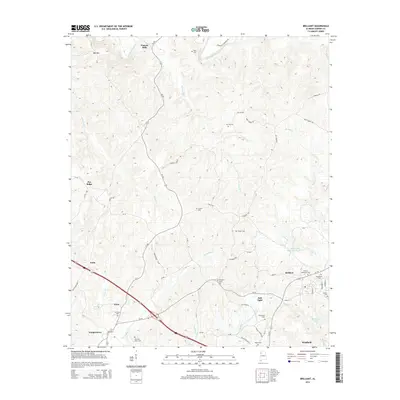 2014 Brilliant2014 Print · USGSMarion County's rural landscapes and small towns are documented here in the early twenty-first century. Genealogists can locate family landmarks like Brilliant Memorial Cem and May and Akers Cem or trace the routes through Pearces Mills and Pull Tight.
 - 2018 Map of Brilliant, 2018 Print
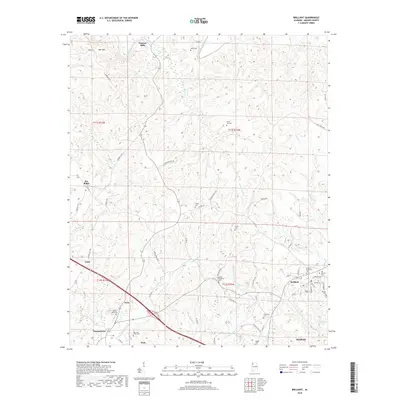 2018 Brilliant2018 Print · USGSMarion County communities and rural landscapes are captured here in the late 2010s. Researchers can trace family history through local landmarks like Pearces Mills and numerous burial sites including Old Bostick Cem and Brilliant Memorial Cem.
 - 2020 Map of Brilliant, 2020 Print
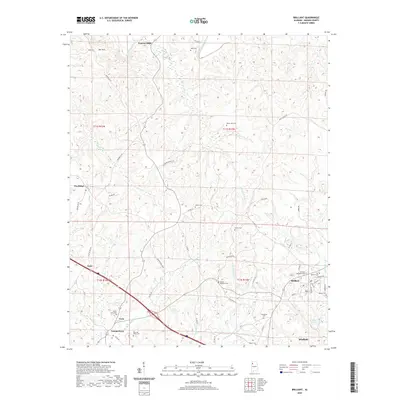 2020 Brilliant2020 Print · USGSMarion County at the start of the 2020s shows a landscape defined by small communities and the winding headwaters of the Buttahatchee River. Researchers can trace family roots through numerous sites like Old Bostick Cem, Boston Cem, and the settlement of Pearces Mills.
 - 2024 Map of Brilliant, 2024 Print
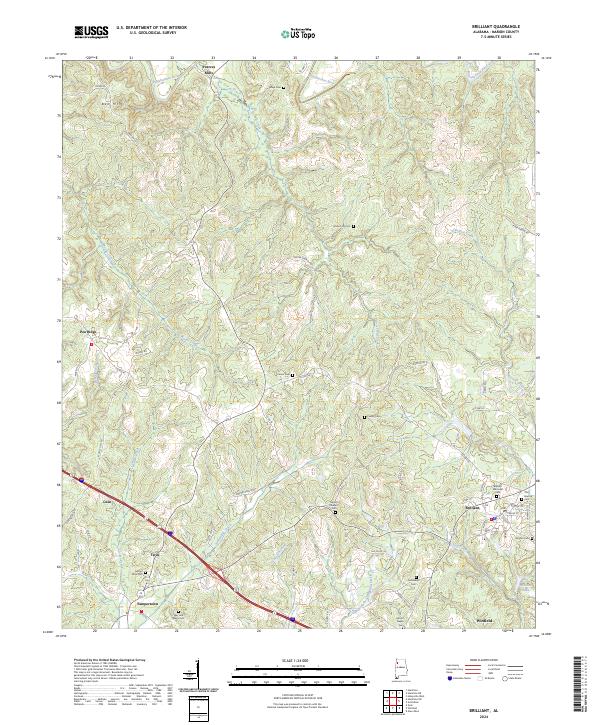 2024 Brilliant2024 Print · USGSMarion County's coal and timber history is visible in this contemporary survey of the area surrounding Brilliant. Genealogists can trace family footprints across numerous sites like Pearces Mills, Old Bostick Cem, and Yampertown along the Luxapallila Creek drainage.
End of results
Showing maps 1-11 of 11
Top cities near Pea Ridge
- Hamilton historical maps
- Winfield historical maps
- Haleyville historical maps
- Guin historical maps
- Hackleburg historical maps
- Bear Creek historical maps
See more
Frequently asked questions
- What are the different types of historical maps available for Pea Ridge?
- What is the oldest map of Pea Ridge?
- Where can I purchase historical maps of Pea Ridge for my home or office?
- Where can I download high-res historical maps of Pea Ridge?
- Are there historical topographic maps available for Pea Ridge?
- Is there historical aerial imagery available for Pea Ridge?
- Where are historical maps of Pea Ridge sourced from?