Old Maps of Tulse, Alabama for Hiking & Exploration
Hike through history with 14 historic maps of Tulse. Explore old trails, ghost towns, and forgotten backroads — perfect for outdoor adventurers and local explorers.
- Rediscover forgotten places: Map out old mining camps, roads, and footpaths that no longer exist on modern maps.
- Layer with modern tools: Combine with LiDAR or satellite views to plan hikes through historical terrain.
- Made for exploration: Popular among hikers, overlanders, and local history lovers.
Use these maps to find adventure and explore the hidden past of Tulse.
Tulse, AL maps
(14)- 1890 Map of Bessemer
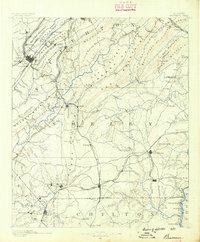 1890 Bessemer1890 Print · USGSCentral Alabama emerges as an industrial powerhouse in the late nineteenth century as railroads weave through the ridges of Jefferson and Shelby counties. Genealogists and historians can trace the early footprints of Bessemer, the iron operations at Sloss, and remote landmarks like Woods Ferry.
 - 1892 Map of Bessemer
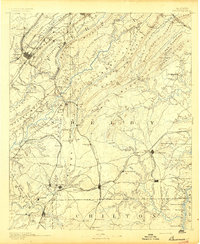 1892 Bessemer1892 Print · USGSCentral Alabama was at its industrial peak in the late nineteenth century as railroads and iron mines transformed the ridges south of Birmingham. Genealogists and researchers can trace the early foundations of Bessemer, the operations at Smith Mine, and rural crossings like Nunley's Ford.2 unique versions available
 - 1910 Map of Montevallo
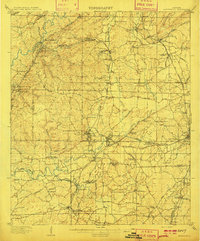 1910 Montevallo1910 Print · USGSCentral Alabama’s coal and iron corridor is captured here at a peak of industrial expansion. Researchers can trace the heritage of vanished mining camps and family landmarks from Boothon to the Bibb Furnace (RUINS) and Sessions Chapel.4 unique versions available
 - 1953 Map of Birmingham, 1964 Print
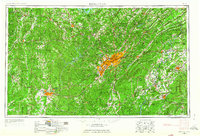 1953 Birmingham1964 Print · USGSCentral Alabama at mid-century shows a landscape defined by industrial expansion and the iron-rich ridges surrounding Birmingham. Researchers can trace the extensive rail networks of the L & N RR or locate historic federal sites like the Anniston Ordnance Depot.4 unique versions available
 - 1956 Map of Birmingham
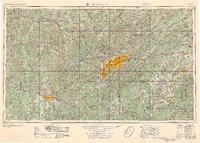 1956 Birmingham1956 Print · USGSCentral Alabama in the mid-fifties exhibits a landscape of growing cities and deep-rooted industrial corridors. Genealogists and historians can trace the development of suburban Mountain Brook or locate regional hubs like Sylacauga and Jasper.
 - 1957 Map of Birmingham
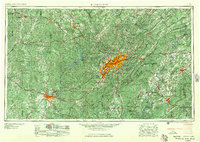 1957 Birmingham1957 Print · USGSNorth-Central Alabama in the mid-fifties is an industrial powerhouse centered on the steel valleys and sprawling iron ridges. Genealogists and historians can trace the rail-linked growth of Birmingham and Tuscaloosa, or locate rural landmarks like Talladega College and the Anniston Ordnance Depot.
 - 1975 Map of Montevallo NW, 1977 Print
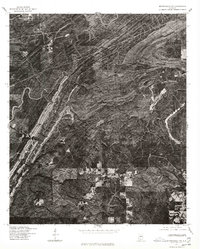 1975 Montevallo NW1977 Print · USGSShelby County emerges in clear aerial detail during the mid-seventies, showing the intersection of heavy industry and the winding Cahaba River. Genealogists and historians can trace old road alignments and early surface mining footprints near the river's edge.
 - 1979 Map of Pea Ridge, 1980 Print
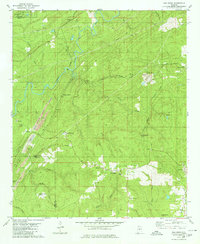 1979 Pea Ridge1980 Print · USGSThe Cahaba River valley in the late seventies is captured here at a peak of industrial activity. Genealogists can trace family footprints through settlements like Sawmill Town and Boothton, or locate rural landmarks such as Antioch Ch and the Boothton Cem.2 unique versions available
 - 1984 Map of Birmingham South, 1985 Print
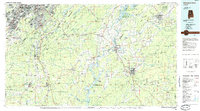 1984 Birmingham South1985 Print · USGSThe Birmingham metropolitan region and the Coosa River valley are shown here in the mid-eighties as suburban growth expanded south into the ridges. Genealogists and local historians can trace the development of communities from Bessemer to Sylacauga alongside the Lay Lake shoreline and the Talladega National Forest.2 unique versions available
 - 2011 Map of Pea Ridge, 2011 Print
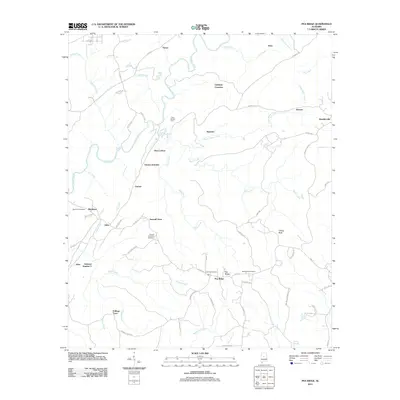 2011 Pea Ridge2011 Print · USGSShelby County's river-cut landscape and mining-era settlements are captured here in the early twenty-first century. Genealogists and historians can trace family locations near Boothton Cemetery or locate old sites like Sawmill Town and Eddings Town.
 - 2014 Map of Pea Ridge, 2014 Print
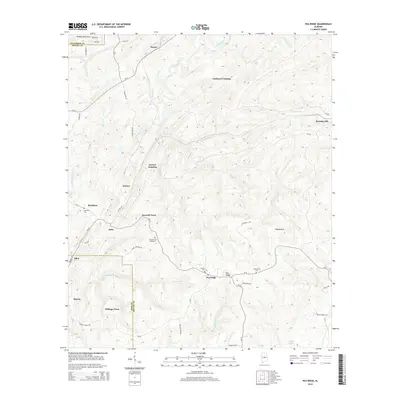 2014 Pea Ridge2014 Print · USGSShelby County in the early twenty-first century reveals a landscape shaped by the Cahaba River and traditional upland settlements. Researchers can trace family sites at Antioch Cem Number 2 or explore the layout of Sawmill Town and Marvel.
 - 2018 Map of Pea Ridge, 2018 Print
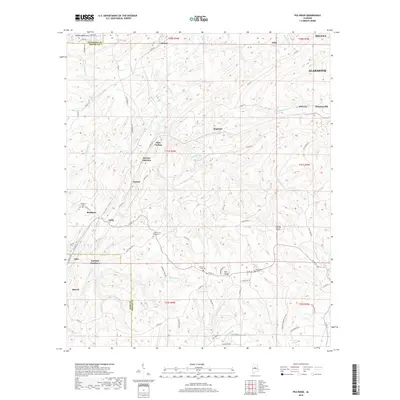 2018 Pea Ridge2018 Print · USGSThe Cahaba River valley at the intersection of Shelby and Bibb Counties is shown here in the late 2010s. Genealogists and local researchers can trace the vicinity of Boothton, Gurnee Junction, and several family burial grounds like Linholm Cem.
 - 2020 Map of Pea Ridge, 2020 Print
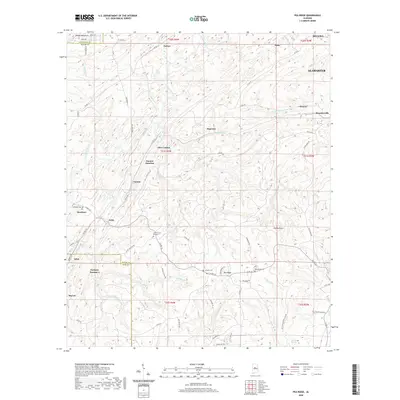 2020 Pea Ridge2020 Print · USGSShelby and Bibb counties are shown in detail during the contemporary era, illustrating the rural character and industrial roots of central Alabama. Genealogists and historians can locate family landmarks like Boothon Cem and trace settlements at Gurnee, Marvel, and Glen Carbon.
 - 2024 Map of Pea Ridge, 2024 Print
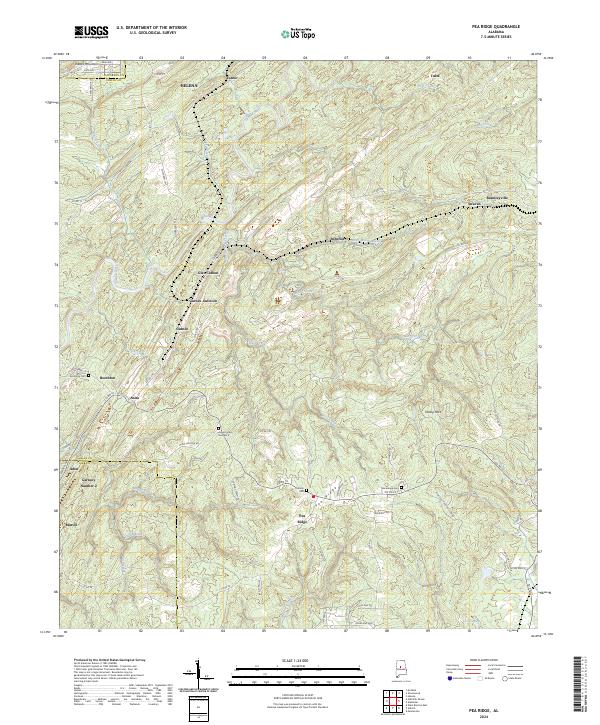 2024 Pea Ridge2024 Print · USGSShelby County in the early twenty-first century remains a landscape of deep historical roots, where modern growth meets old mining towns. Genealogists can trace family locations at Boothton Cem and Linholm Cem or explore the sites of Glen Carbon and Gurnee.
End of results
Showing maps 1-14 of 14
Top cities near Tulse
- Birmingham historical maps
- Hoover historical maps
- Hoover historical maps
- Vestavia Hills historical maps
- Alabaster historical maps
- Homewood historical maps
See more
Frequently asked questions
- What are the different types of historical maps available for Tulse?
- What is the oldest map of Tulse?
- Where can I purchase historical maps of Tulse for my home or office?
- Where can I download high-res historical maps of Tulse?
- Are there historical topographic maps available for Tulse?
- Is there historical aerial imagery available for Tulse?
- Where are historical maps of Tulse sourced from?