Old Maps of Fredonia, Arizona for Academic Research
Study the evolution of Fredonia with 26 high-resolution historic maps. Whether you're teaching, researching, or modeling changes in land use, these maps provide essential visual documentation of urban, environmental, and geographic change.
- Analyze long-term change: Track patterns in development, transportation, and natural features.
- Ideal for environmental or urban studies: Support academic projects with primary historical map data.
- Use in the classroom or lab: Educators and researchers rely on these maps to bring historical context to life.
These maps are a powerful tool for teaching, research, and visualizing how Fredonia has changed over the decades.
Fredonia, AZ maps
(26)- 1886 Map of Kanab
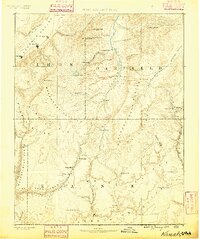 1886 Kanab1886 Print · USGSSouthern Utah in the late nineteenth century remains a frontier of deep canyons and high plateaus. Researchers can trace early pioneer outposts and river settlements like Orderville, Mt. Carmel, and Kanab tucked beneath the Vermilion Cliffs.5 unique versions available
 - 1886 Map of Kaibab, 1900 Print
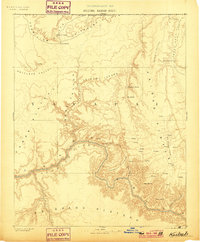 1886 Kaibab1900 Print · USGSThe northern Arizona frontier is captured in the late 1880s as early surveyors mapped the deep canyonlands and plateau systems. Researchers can locate critical water sources like Pipe Spring and early landmarks including Shivas Temple and Point Sublime.9 unique versions available
 - 1953 Map of Cedar City, 1966 Print
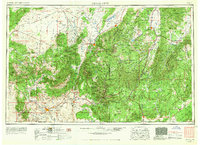 1953 Cedar City1966 Print · USGSSouthwestern Utah's high plateaus and desert basins are mapped here during the mid-fifties, showing the region before the modern interstate system. Researchers can trace historic mining at Silver Reef, follow the Union Pacific line, and locate early settlements like Kanarraville and Toquerville.3 unique versions available
 - 1953 Map of Grand Canyon, 1967 Print
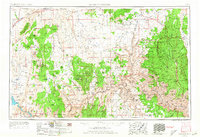 1953 Grand Canyon1967 Print · USGSArizona's northern frontier is captured here in the mid-twentieth century, from the high plateaus to the desert basins. Trace early routes like Arizona 67, explore the isolated Moccasin settlement, or locate early landmarks such as Mount Trumbull.3 unique versions available
 - 1954 Map of Kanab SE, 1956 Print
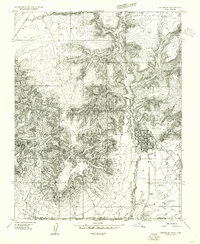 1954 Kanab SE1956 Print · USGSThe Utah-Arizona borderlands come into focus during the mid-fifties, centered on the settlement of Kanab and the northern edge of the Kaibab Indian Reservation. Researchers can locate a Cem, the local Landing Strip, and ancient Cliff Dwellings tucked into the surrounding canyons.
 - 1954 Map of Fredonia NE, 1958 Print
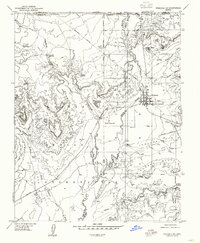 1954 Fredonia NE1958 Print · USGSThe Arizona-Utah borderlands come alive in the mid-fifties, showing the intersection of tribal lands and desert ranching. Genealogists and historians can trace the settlement of Fredonia, early aviation via the Abandoned Airstrip, and vital water sources like Sixmile Spring.
 - 1954 Map of Fredonia, 1959 Print
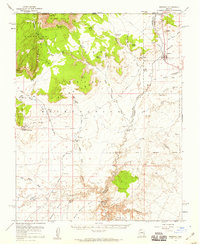 1954 Fredonia1959 Print · USGSIn the mid-1950s, the Arizona Strip near the Utah border centered on the town of Fredonia and the sprawling Kaibab Indian Reservation. Researchers can locate vital water sources like Bitter Seeps or trace the desert floor past landmarks such as Steamboat Rock and the Pipe Spring National Monument.3 unique versions available
 - 1957 Map of Grand Canyon
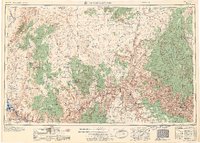 1957 Grand Canyon1957 Print · USGSNorthern Arizona in the mid-fifties presents a sparsely settled expanse of high plateaus and ranching outposts surrounding the great canyon. Genealogists and historians can trace family land at Diamond Butte Ranch, locate the Moccasin settlement, or study the magnesium works at Black Diamond Mine.
 - 1957 Map of Kanab, 1960 Print
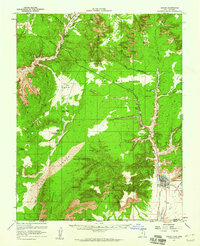 1957 Kanab1960 Print · USGSSouthern Utah during the mid-fifties shows a landscape of deep canyons and high desert mesas on the edge of the Arizona border. Genealogists and historians can trace the early layout of Kanab and Mt Carmel, alongside remote sites like a Cliff Dwelling and the Foot Ranch.2 unique versions available
 - 1958 Map of Grand Canyon
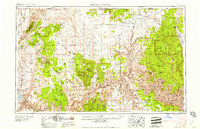 1958 Grand Canyon1958 Print · USGSNorthern Arizona in the late fifties was a landscape of remote cattle ranches and timber operations spanning from the Virgin Mountains to the Kaibab Forest. Researchers can locate family outposts like Bundy Ranch, trace the Temple Trail, or find the Parashant Lumber Mill.
 - 1958 Map of Cedar City
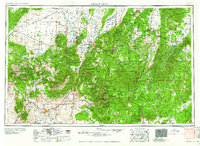 1958 Cedar City1958 Print · USGSSouthwestern Utah in the late fifties was a land of mineral extraction and monumental landscapes. Genealogists and historians can trace pioneer-era settlements like Grafton and Parowan alongside industrial sites such as the Silver Reef Mine.2 unique versions available
 - 1960 Map of Grand Canyon
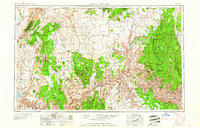 1960 Grand Canyon1960 Print · USGSThe Arizona strip and the Colorado River corridor appear in the 1950s as a vast network of isolated plateaus and remote outposts. Researchers can trace historic ranching and tribal lands including Supai, the Kaibab Indian Reservation, and the Mt Trumbull Post Office.
 - 1962 Map of Cedar City
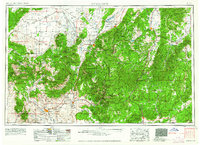 1962 Cedar City1962 Print · USGSSouthern Utah in the early sixties showcases a landscape of dramatic plateaus and historic mining outposts. Trace the early settlement patterns at the Silver Reef (ruins), locate the Iron Mine near the Hurricane Cliffs, or find the Fort Harmony Monument.
 - 1980 Map of Kanab, 1981 Print
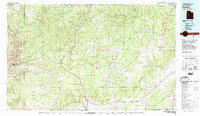 1980 Kanab1981 Print · USGSSouthern Utah in the late seventies is a landscape of massive geologic terraces and isolated ranching towns. Trace the growth of Kanab and Springdale or locate vanished sites like Shunesburg among the White Cliffs and Vermilion Cliffs.
 - 1984 Map of Fredonia
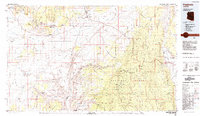 1984 Fredonia1984 Print · USGSThe Arizona Strip in the mid-1980s reveals a sparse network of settlements and vast public lands. Genealogists and historians can trace the foundations of Fredonia and Colorado City or locate landmarks like Pipe Spring National Monument.2 unique versions available
 - 1985 Map of Kanab
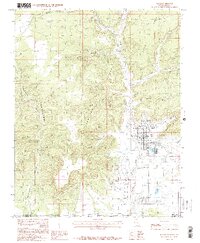 1985 Kanab1985 Print · USGSThe high desert landscape of the Utah-Arizona border comes into focus in the mid-1980s, centered on the settlement of Kanab. Researchers can trace the town's footprint, including the Cem, the Movie Set (Fort), and the rugged Vermilion Cliffs.2 unique versions available
 - 1988 Map of Fredonia
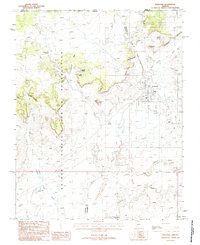 1988 Fredonia1988 Print · USGSFredonia and the Kaibab Indian Reservation are documented here in the late eighties as the community expanded alongside the Shinarump Cliffs. Researchers can locate the local Cem, the Oil Refinery, and rural outposts like Sixmile Village.
 - 2011 Map of Fredonia, 2011 Print
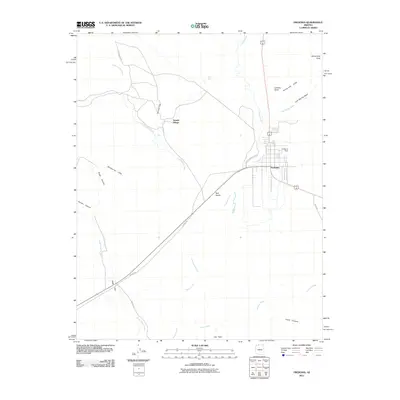 2011 Fredonia2011 Print · USGSThe northern Arizona borderlands come into focus in the early 2000s, showing the town of Fredonia nestled along Kanab Creek. Researchers can trace local landmarks like Fredonia Dam, the settlement of Sixmile Village, and the winding paths of Riggs Canyon and Johnson Wash.2 unique versions available
 - 2011 Map of Kanab, 2011 Print
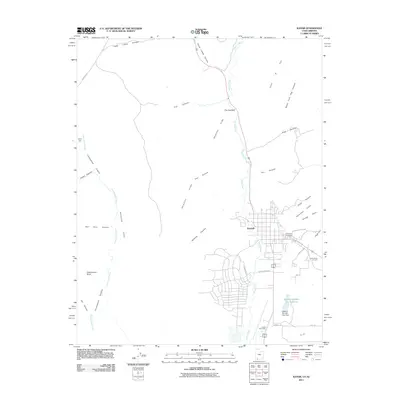 2011 Kanab2011 Print · USGSKanab and its red rock surroundings are captured in the early 21st century as the town transitions into a modern gateway for the region. Family historians and researchers can trace local landmarks like the Kanab City Cemetery, Spencer Number Two Reservoir, and the Kanab Post Office.
 - 2014 Map of Kanab, 2014 Print
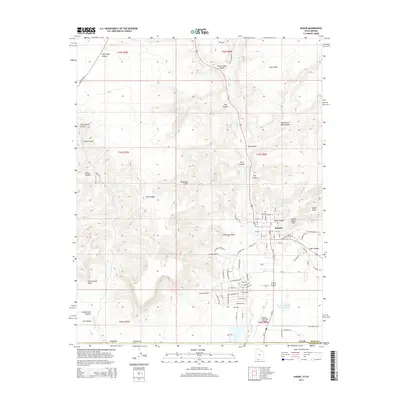 2014 Kanab2014 Print · USGSKanab and the surrounding red rock canyons are captured here in the early twenty-first century as the town expanded toward the desert cliffs. Genealogists and historians can trace local landmarks like the Kanab City Cem, Indian Dance Hall, and Toms Canyon.
 - 2014 Map of Fredonia, 2014 Print
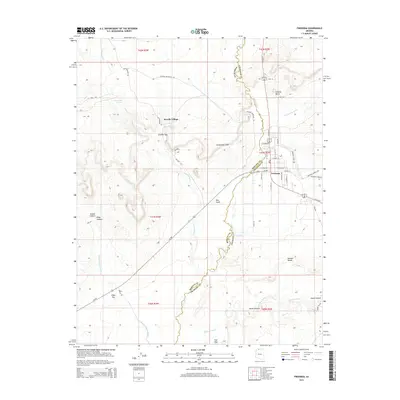 2014 Fredonia2014 Print · USGSThe borderlands of Mohave and Coconino counties are captured here in the early twenty-first century, centered on the high-desert hub of Fredonia. Researchers can trace the layout of Sixmile Village or locate family landmarks like Cowboy Butte, Riggs Flat, and Dobson Bench.
 - 2017 Map of Kanab, 2017 Print
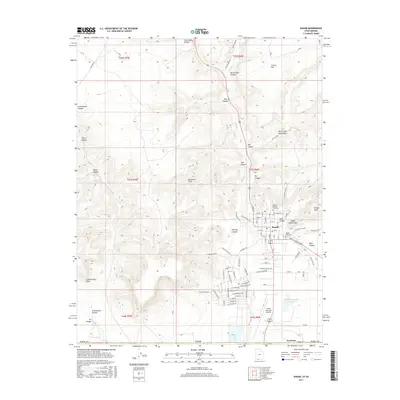 2017 Kanab2017 Print · USGSKanab and the southern Utah borderlands are captured here in the mid-2010s, where the town meets the towering Vermilion Cliffs. Genealogists and hikers can trace local landmarks like Kanab City Cem, Indian Dance Hall, and the winding paths through Hog Canyon.
 - 2018 Map of Fredonia, 2018 Print
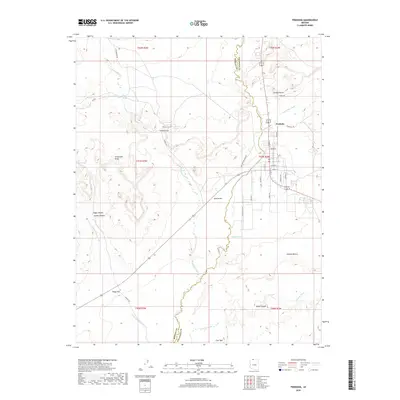 2018 Fredonia2018 Print · USGSThe Arizona Strip comes into focus in this 2018 survey, showing the town of Fredonia near the junction of Coconino and Mohave counties. Researchers can trace local water sources and landmarks like Sixmile Spring, the Shinarump Cliffs, and Cowboy Butte.
 - 2020 Map of Kanab, 2020 Print
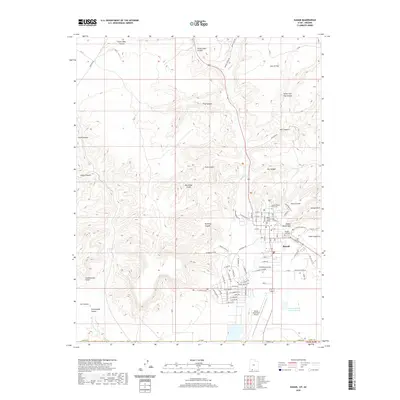 2020 Kanab2020 Print · USGSKanab at the foot of the Vermilion Cliffs is shown here in its modern context, as the town serves as a vital southern Utah crossroads. Researchers can trace local history at the Kanab City Cem, locate the Kane County Court House, and follow the deep paths of Hog Canyon.
 - 2021 Map of Fredonia, 2021 Print
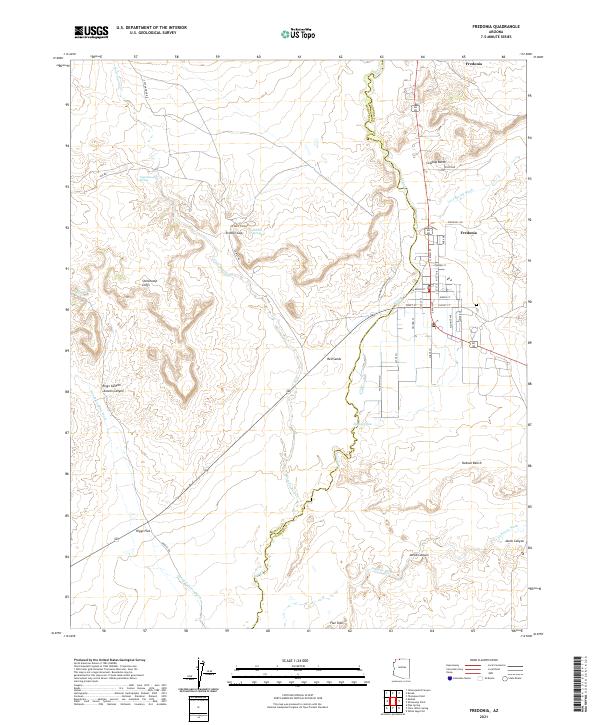 2021 Fredonia2021 Print · USGSFredonia and its neighboring high-desert settlements are documented here in the early twenty-first century as the community continues to straddle the Coconino and Mohave county lines. Genealogists and local historians can trace street-level details in Fredonia or locate outlying landmarks like Six Mile Village and the Shinarump Cliffs.
Showing maps 1-25 of 26
Top cities near Fredonia
Frequently asked questions
- What are the different types of historical maps available for Fredonia?
- What is the oldest map of Fredonia?
- Where can I purchase historical maps of Fredonia for my home or office?
- Where can I download high-res historical maps of Fredonia?
- Are there historical topographic maps available for Fredonia?
- Is there historical aerial imagery available for Fredonia?
- Where are historical maps of Fredonia sourced from?