1900s (20th Century) Maps of Munds Park, Arizona
Explore 10 historic maps of Munds Park from the 1900s (20th Century). These maps offer a rare glimpse into what life looked like during the 1900s — showing old roads, neighborhoods, homes, and landmarks that have changed or disappeared over time.
Whether you're researching your family's past, planning a metal detecting trip, or studying how Munds Park's landscape evolved across the 1900s, these high-resolution maps are a powerful tool for exploring the history of this region.
- Focus on a specific era: All maps on this page are from the 1900s, giving you a focused view of this time period.
- See what’s changed: Compare century-old streets, trails, and buildings to today's modern landscape using overlays and satellite layers.
- Research with precision: Use these maps for genealogy, historical research, land use analysis, or educational projects.
- View, download, or print: Maps are fully viewable online in high resolution, and can be downloaded or printed for your own records.
Start exploring Munds Park's history through authentic maps from the 1900s. This is your window into the past.
Munds Park, AZ maps
(10)- 1923 Map of Camp Verde
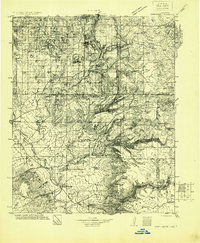 1923 Camp Verde1923 Print · USGSCentral Arizona's river valleys and high plateaus appear here during the early twenties, showing the region's shift toward tourism and settlement. Trace the routes to Montezuma Castle Nat Monument or locate early sites like Cornville and Aultman.
 - 1932 Map of Camp Verde, 1959 Print
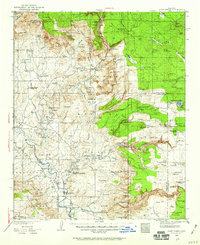 1932 Camp Verde1959 Print · USGSThe Verde Valley and the Mogollon Rim are documented here in the early 1930s, showing a landscape of remote cattle ranches and historic ruins. Researchers can trace early schools and homesteads like Red Rock Sch, Middle Verde, and Indian Gardens alongside Montezuma Well.2 unique versions available
 - 1936 Map of Camp Verde
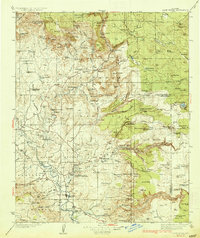 1936 Camp Verde1936 Print · USGSThe Verde Valley and Red Rock country are captured in the mid-1930s, showing a landscape of pioneer ranches and ancient ruins. Researchers can locate the early footprints of Sedona and Camp Verde, alongside remote landmarks like Montezuma Castle National Monument and the Stoneman Lake area.3 unique versions available
 - 1954 Map of Holbrook, 1966 Print
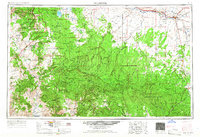 1954 Holbrook1966 Print · USGSNorth-central Arizona is seen here during the mid-fifties, from the high plateau of the Mogollon Rim to the Verde Valley. Researchers can trace the early growth of Holbrook, locate remote camps like Happy Jack, and explore the roads around Montezuma Castle National Monument.3 unique versions available
 - 1957 Map of Holbrook
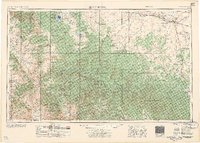 1957 Holbrook1957 Print · USGSNorthern Arizona in the mid-fifties is defined by the high-plateau timberlands and the bustling rail corridor of the Little Colorado River valley. Genealogists and historians can trace the route of U.S. 66 through Holbrook or locate more remote outposts like Zeniff and Aripine.
 - 1958 Map of Holbrook
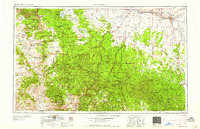 1958 Holbrook1958 Print · USGSNortheastern Arizona's high country is captured here during the mid-fifties, showing the growth of mountain towns and timber lands. Researchers can trace the Atchison Topeka & Santa Fe RR through Holbrook or find vanished spots like Zeniff.
 - 1960 Map of Holbrook
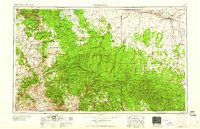 1960 Holbrook1960 Print · USGSNorthern Arizona is captured here just as modern highways began to reshape the cattle and timber country of the Colorado Plateau. Genealogists and historians can trace the early footprints of Snowflake, Sedona, and Payson, alongside the Atchison Topeka & Santa Fe RR rail line.
 - 1965 Map of Mormon Mountain, 1967 Print
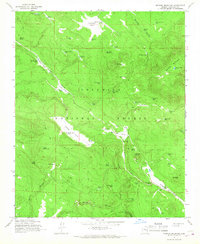 1965 Mormon Mountain1967 Print · USGSCoconino County was a rugged hub of timber and ranching during the mid-sixties, dominated by high-altitude peaks and forest parks. Researchers can trace the winding Industrial Railroad Grade and locate old water sources like Munds Spring and the Cinder Pit.5 unique versions available
 - 1965 Map of Munds Park, 1968 Print
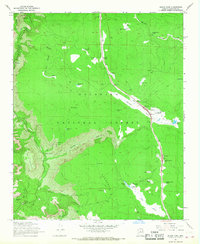 1965 Munds Park1968 Print · USGSMunds Park and the surrounding Coconino National Forest are captured here in the mid-sixties during a period of expanding recreational use. Local historians can trace the route of the Industrial Railroad or locate historic sites like Foxboro Ranch and the enclave at Indian Gardens.4 unique versions available
 - 1980 Map of Sedona, 1996 Print
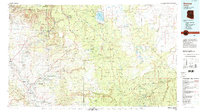 1980 Sedona1996 Print · USGSThe red rock country around Sedona and the Verde Valley are captured in the late twentieth century, showing a mix of ancient sites and modern growth. Genealogists and researchers can trace local landmarks like Cornville, the Camp Verde Indian Reservation, and Montezuma Castle National Monument.
End of results
Showing maps 1-10 of 10
Top cities near Munds Park
- Flagstaff historical maps
- Sedona historical maps
- Kachina Village historical maps
- Mountainaire historical maps
Frequently asked questions
- What are the different types of historical maps available for Munds Park?
- What is the oldest map of Munds Park?
- Where can I purchase historical maps of Munds Park for my home or office?
- Where can I download high-res historical maps of Munds Park?
- Are there historical topographic maps available for Munds Park?
- Is there historical aerial imagery available for Munds Park?
- Where are historical maps of Munds Park sourced from?