Old Maps of Chrysotile, Arizona for Academic Research
Study the evolution of Chrysotile with 13 high-resolution historic maps. Whether you're teaching, researching, or modeling changes in land use, these maps provide essential visual documentation of urban, environmental, and geographic change.
- Analyze long-term change: Track patterns in development, transportation, and natural features.
- Ideal for environmental or urban studies: Support academic projects with primary historical map data.
- Use in the classroom or lab: Educators and researchers rely on these maps to bring historical context to life.
These maps are a powerful tool for teaching, research, and visualizing how Chrysotile has changed over the decades.
Chrysotile, AZ maps
(13)- 1922 Map of Chrysotile
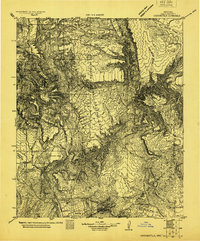 1922 Chrysotile1922 Print · USGSGila County's mining and ranching frontier is documented in the early twenties during a period of rapid reconnaissance mapping. Researchers can locate early outposts and water sources such as McMillanville, Chrysotile, and Ash Spring near the Fort Apache Reservation boundary.
 - 1954 Map of Mesa, 1968 Print
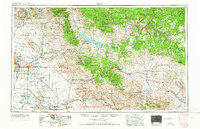 1954 Mesa1968 Print · USGSCentral Arizona in the mid-fifties reveals the rapid growth of the Valley of the Sun alongside the deep-rooted mining districts of the eastern mountains. Genealogists and researchers can trace the expansion of Mesa and Chandler or locate legacy operations at Inspiration Mine and the Magma Arizona railroad.4 unique versions available
 - 1957 Map of Mesa
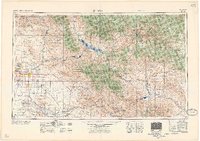 1957 Mesa1957 Print · USGSCentral Arizona's desert valleys and high-mountain mining districts come alive in the mid-fifties. Researchers can trace the early layout of Mesa and Phoenix or locate remote sites like Inspiration Mine and Arizona State College.
 - 1958 Map of Mesa
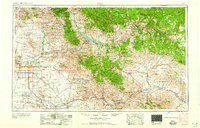 1958 Mesa1958 Print · USGSMid-century Arizona comes alive in this survey of the valley and high desert, where urban growth begins to transform the landscape. Genealogists and researchers can trace the rail-and-mine economy through Inspiration Mine and old stops like Rittenhouse and Magma.
 - 1960 Map of Mesa
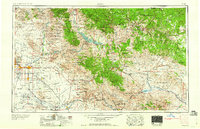 1960 Mesa1960 Print · USGSThe Salt River Valley and Superstition wilderness are captured here during a era of rapid post-war growth. Researchers can trace the mid-century footprints of Williams AF Base and Arizona State College or locate the deep-rock shafts of the Old Dominion Mine and Magma Mine.
 - 1964 Map of Mesa
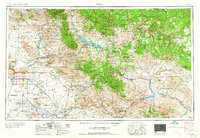 1964 Mesa1964 Print · USGSCentral Arizona in the mid-1960s reveals a landscape defined by rapid desert urbanization and a massive copper mining industry. Genealogists and historians can trace the growth of Phoenix or explore the mining camps and operations at Miami Mine and Magma Mine.
 - 1966 Map of Chrysotile, 1968 Print
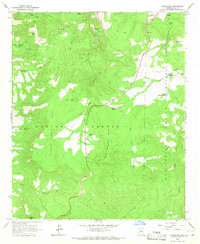 1966 Chrysotile1968 Print · USGSThe high country of Gila County is captured in the late 1960s at the intersection of forest and reservation lands. Local researchers can trace mining prospects and water developments like Chrysotile, Timber Camp, and the network of Ash Creek detention tanks.3 unique versions available
 - 1992 Map of Seneca, 1993 Print
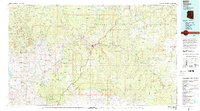 1992 Seneca1993 Print · USGSGila County in the early nineties remains a wild landscape of tribal reservations and national forest. Researchers can trace historic mining at the Old Owen McMillenville Mine, locate the remote settlement of Cibecue, and map the rugged drainages of the Salt River.2 unique versions available
 - 2004 Map of Chrysotile, 2007 Print
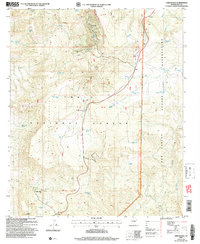 2004 Chrysotile2007 Print · USGSThe high canyons and forest boundaries of Gila County are captured here in the early 2000s, showing a landscape shaped by mining and cattle tanks. Researchers can trace the layout of Chrysotile along Ash Creek or locate local landmarks like Tucker Place and the Airstrip.
 - 2011 Map of Chrysotile, 2011 Print
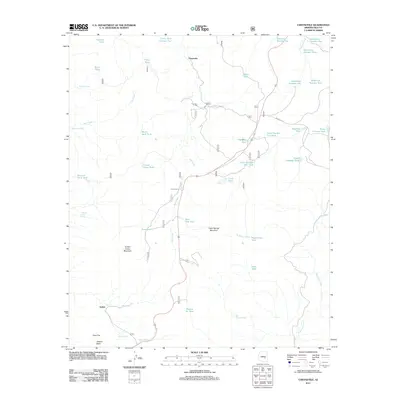 2011 Chrysotile2011 Print · USGSGila County's mining and ranching geography is captured here in the early twenty-first century. Researchers can locate remote settlements like Chrysotile and Tucker, or trace water sources and trails near Carol Spring Mountain and Jackson Butte.
 - 2014 Map of Chrysotile, 2014 Print
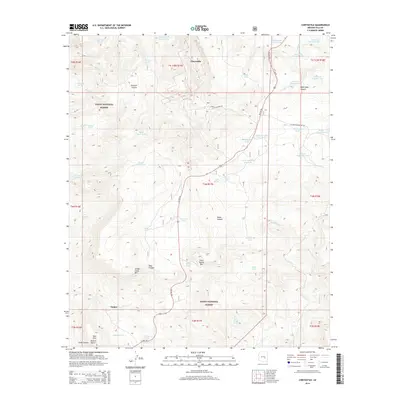 2014 Chrysotile2014 Print · USGSGila County's high-country mining and ranching lands are mapped here in the early twenty-first century, showing the remote settlement of Chrysotile. You can trace the rugged network of water tanks and canyon routes including Mule Hoof Canyon and Chryso Tile Mine Rd.
 - 2018 Map of Chrysotile, 2018 Print
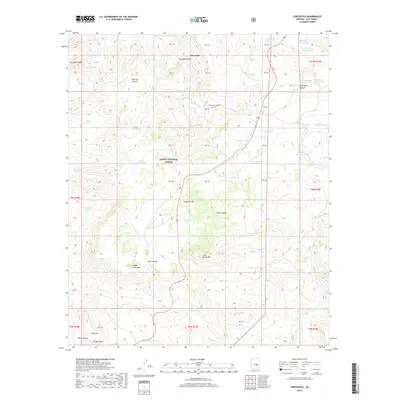 2018 Chrysotile2018 Print · USGSGila County's mining history and high-desert terrain are mapped here in the late twenty-tens. Researchers can trace the path of Chrysotile Mine Rd and locate landmarks like Carol Spring Mtn, Jackson Butte, and Hess Flat.
 - 2021 Map of Chrysotile, 2021 Print
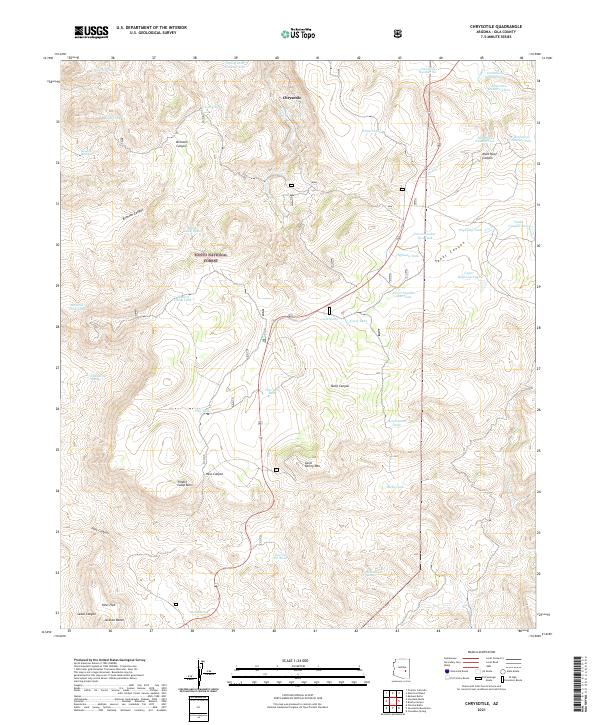 2021 Chrysotile2021 Print · USGSGila County's high-desert landscape is documented here in the early twenty-first century, showing the intricate water and terrain of the Tonto National Forest. Researchers can trace old ranching infrastructure and topographic landmarks like Chrysotile, Jackson Butte, and Carol Spring Mtn.
End of results
Showing maps 1-13 of 13
Frequently asked questions
- What are the different types of historical maps available for Chrysotile?
- What is the oldest map of Chrysotile?
- Where can I purchase historical maps of Chrysotile for my home or office?
- Where can I download high-res historical maps of Chrysotile?
- Are there historical topographic maps available for Chrysotile?
- Is there historical aerial imagery available for Chrysotile?
- Where are historical maps of Chrysotile sourced from?